


Exploring History: The ice jam of April 1909
This photograph shows the ice jam pressing against the wharf and range light house while an unidentified man and boy are standing on the ice in the foreground. In the annual report for


This photograph shows the ice jam pressing against the wharf and range light house while an unidentified man and boy are standing on the ice in the foreground. In the annual report for
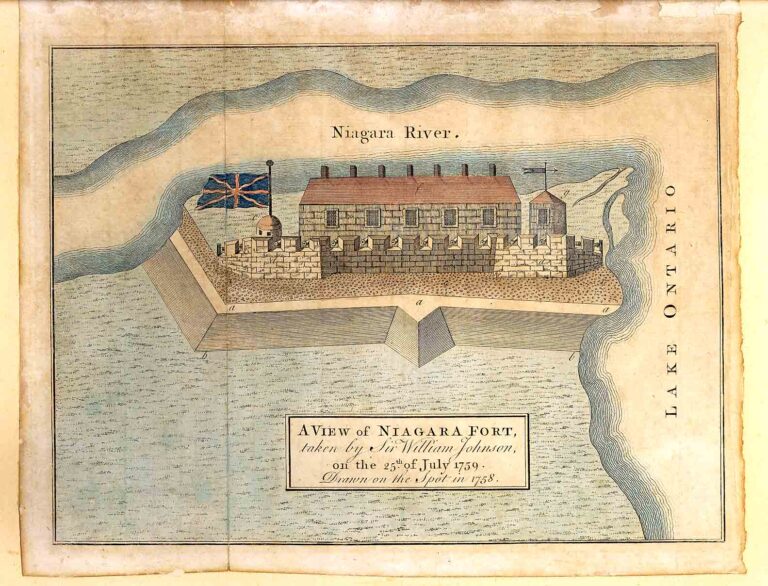
This piece is titled, “A mounted view of Niagara fort taken by Sir William Johnson on the 25th of July 1759. Drawn on the spot, 1758.” It is a print of the original
Many historians consider the Canadian victory at Vimy Ridge to be a defining moment for our country. The Canadian Corps was ordered to seize Vimy Ridge in northern France, which was heavily fortified
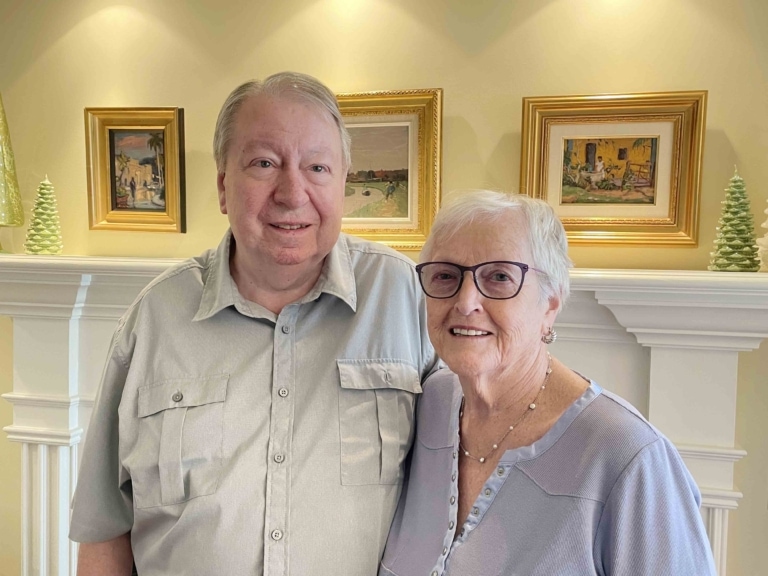
“The Niagara-on-the-Lake Museum is the pride of the community,” declared Lorraine Joyner, as she discussed the future of the museum and the reason she and her husband, Geoffrey, decided to give generously to
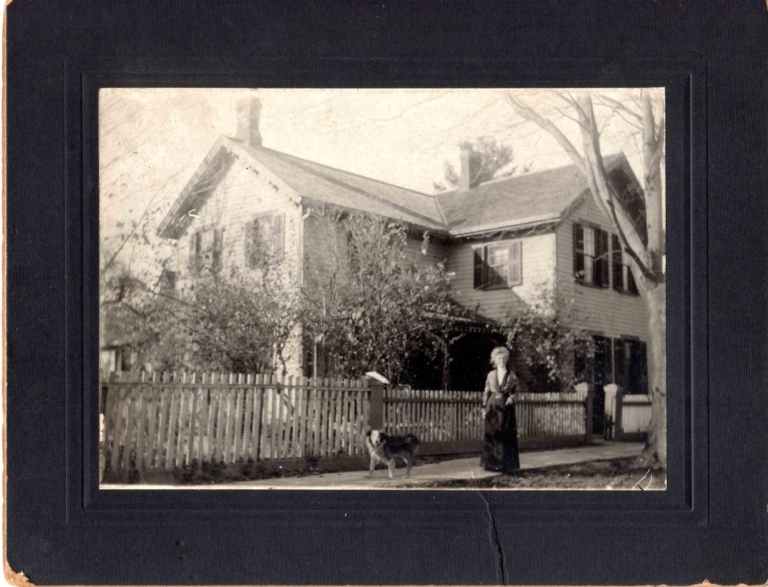
Shoemaker George Flynn built this house circa 1860 at 22 Johnson St., on land given to him by his mother, who operated a recess (a liquor store by today’s standards) next door on
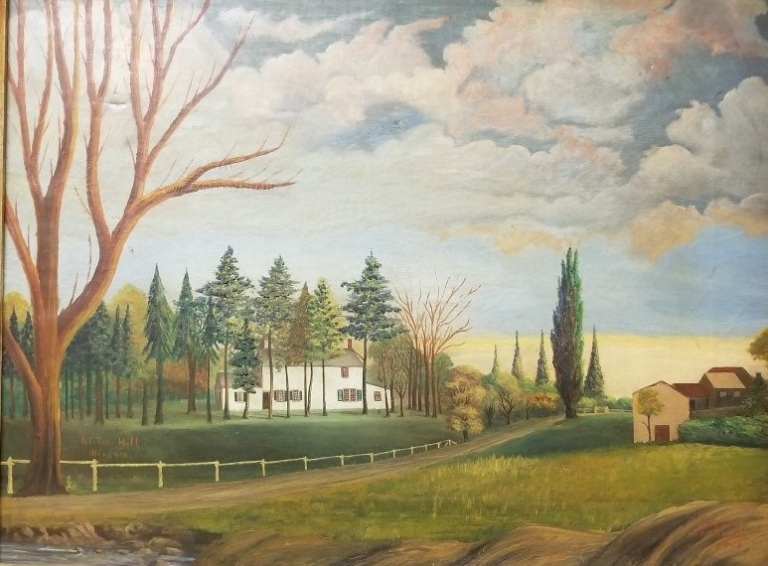
In the late 1600s, the Servos family was living in the German Palatinate area. The patriarch of the North American family arrived in the province of New York on the Charlotte River in
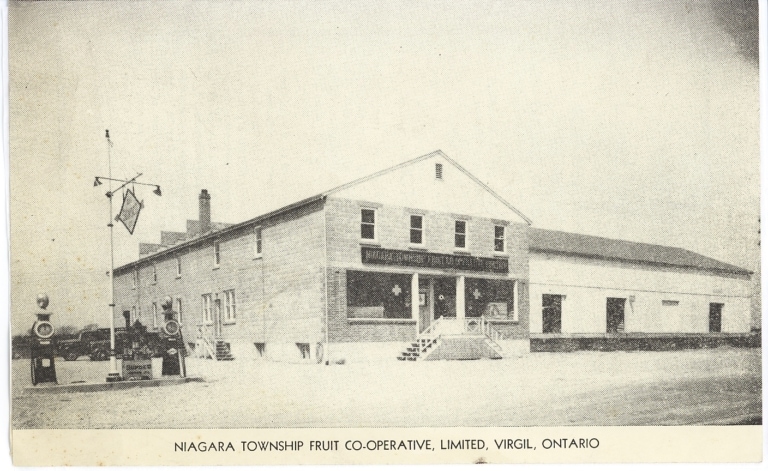
This co-operative was organized and received its charter in March 1937. The co-operative movement in Canada originated when barn raising and other co-operative activities were commonplace. Traditionally, the co-op would buy bulk fruit
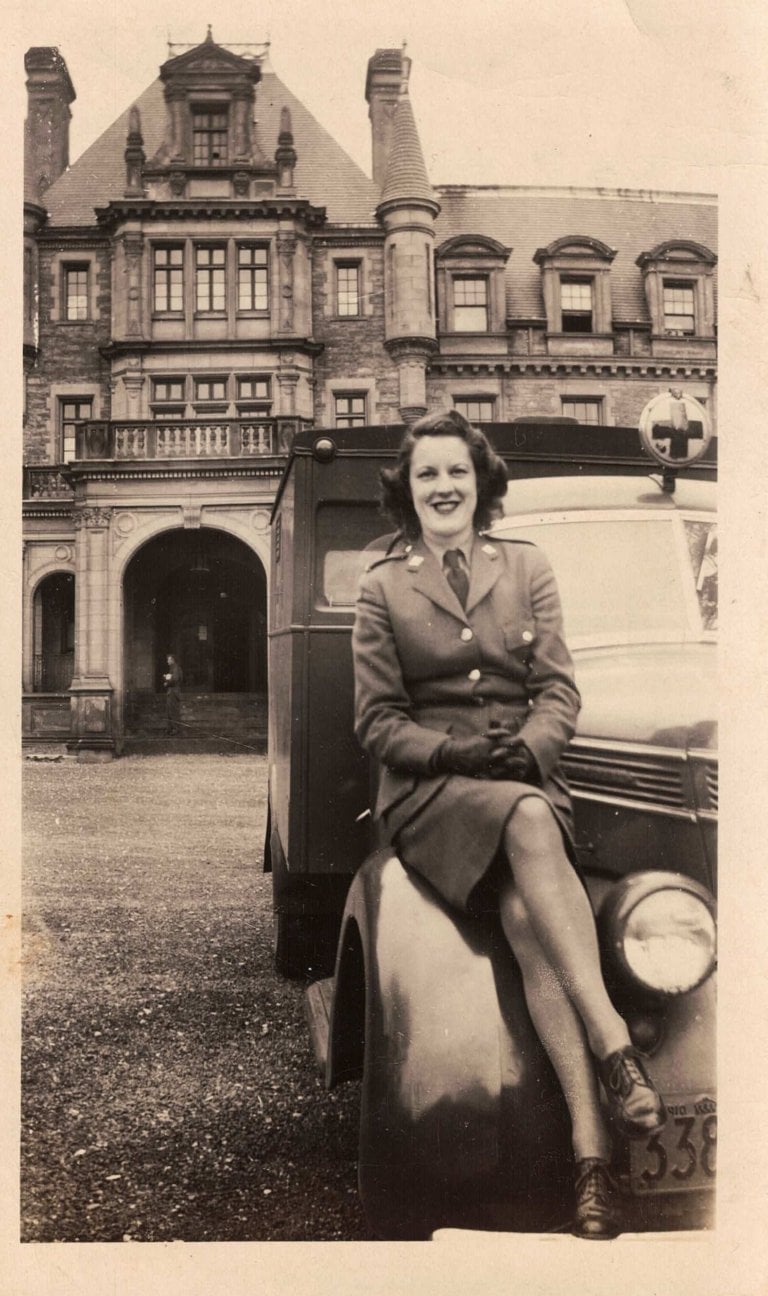
Before Margherita Howe became known as an environmental champion and the co-founder of the Niagara-on-the-Lake Conservancy, she enlisted on Jan. 2, 1942, to help serve her country during the Second World War. She
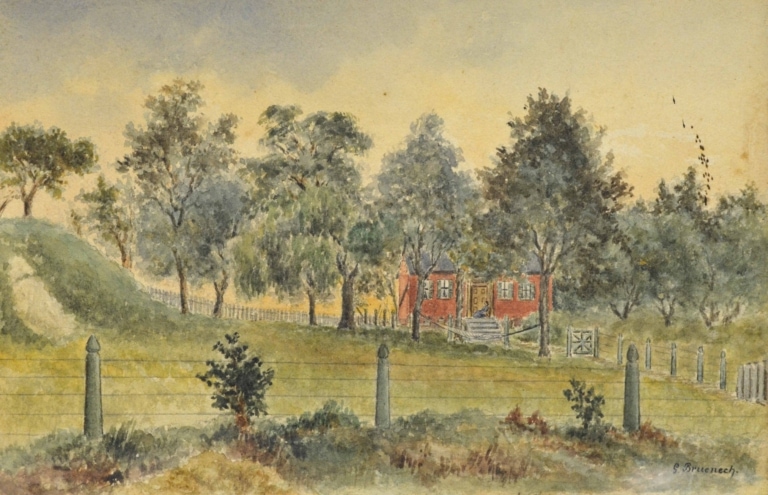
This watercolour was painted by landscape artist George R. Bruenech. It features a red brick home with a figure of a woman seated on the porch. The house was formerly located in the
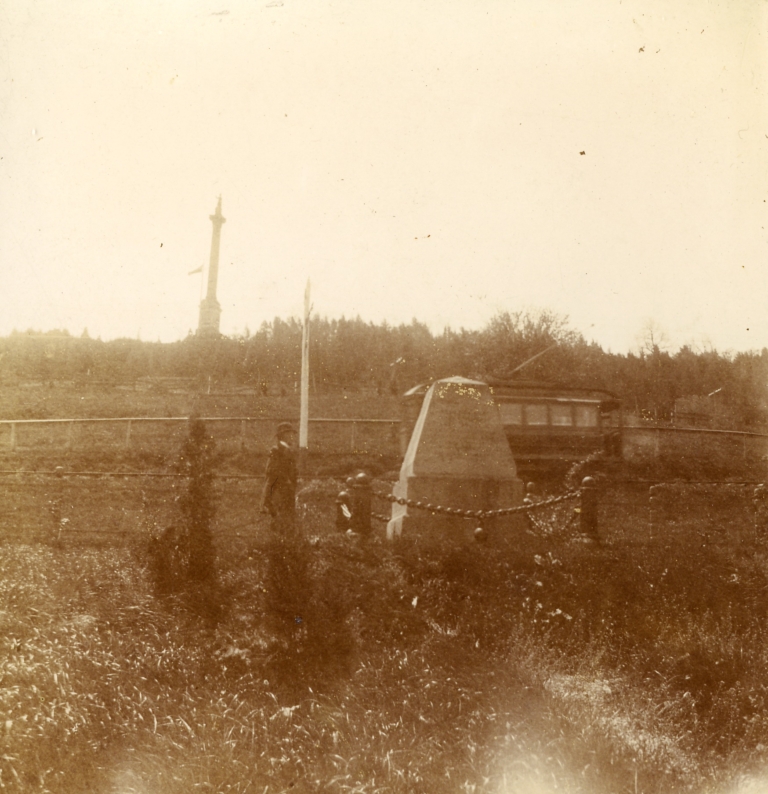
On Clarence Street, in the village of Queenston, stands this monument, placed by His Royal Highness, Edward Albert, Prince of Wales, on Sept. 18, 1860. The inscription on the north face reads “near
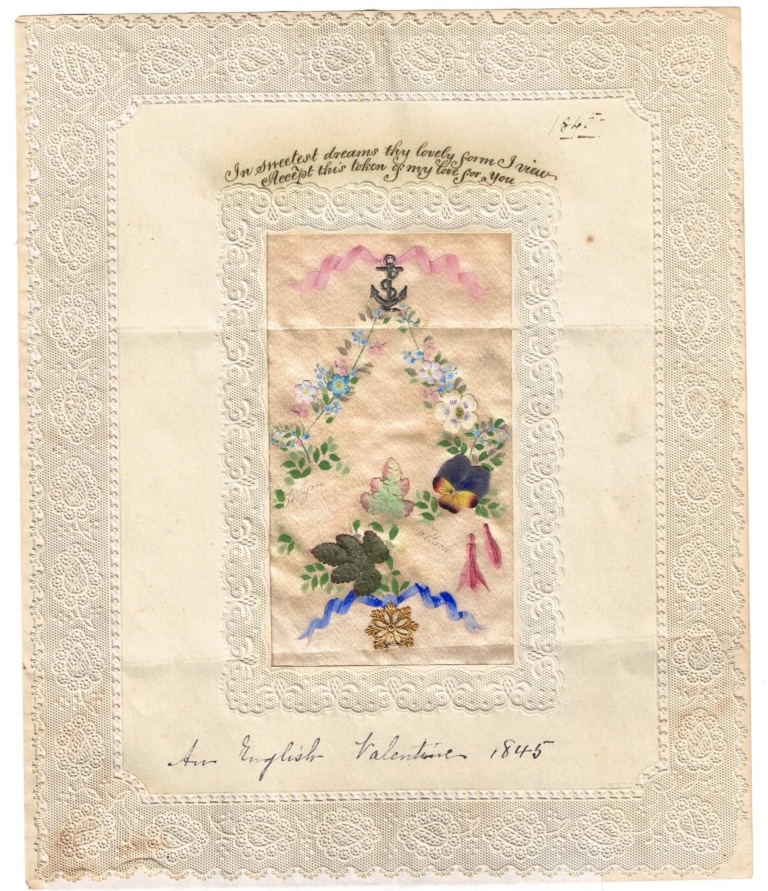
Happy Valentine’s Day. Enjoy the beautiful handmade lace valentine above from 1845. And for your reading pleasure, a Valentine’s Day poem from the collection that was written circa 1832 from John Blake to
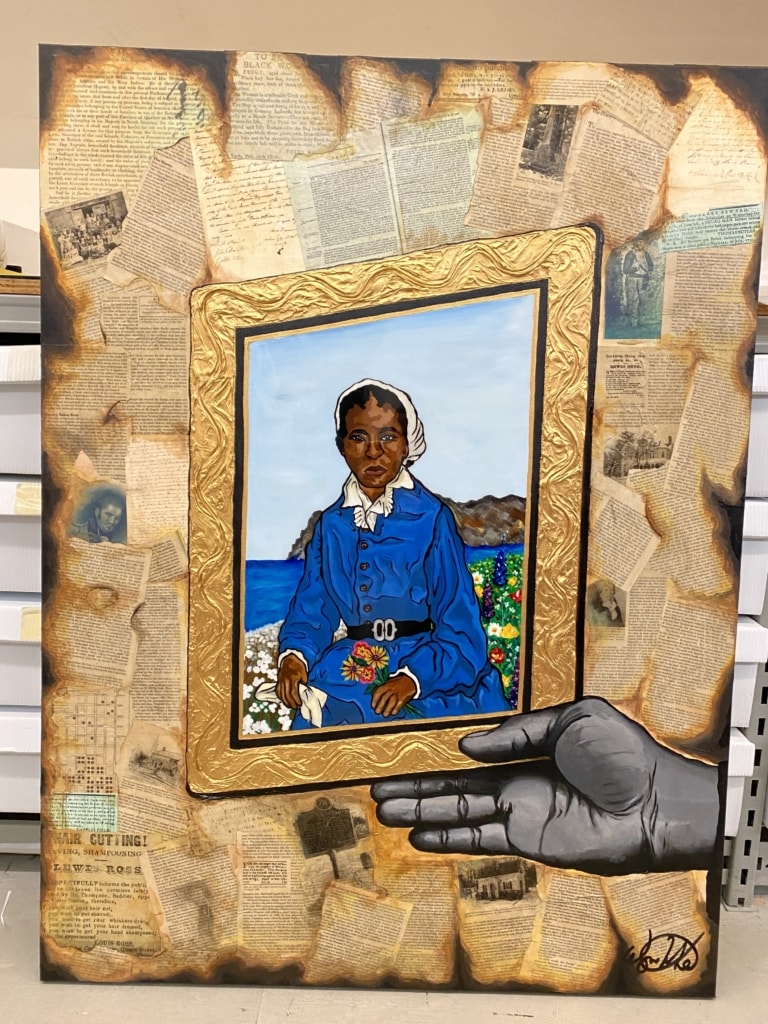
In 2023, we commemorated the 230th anniversary of the 1793 Act to Limit Slavery and the Chloe Cooley incident with an exhibition titled, “Bound and Determined.” We also hosted the first annual event
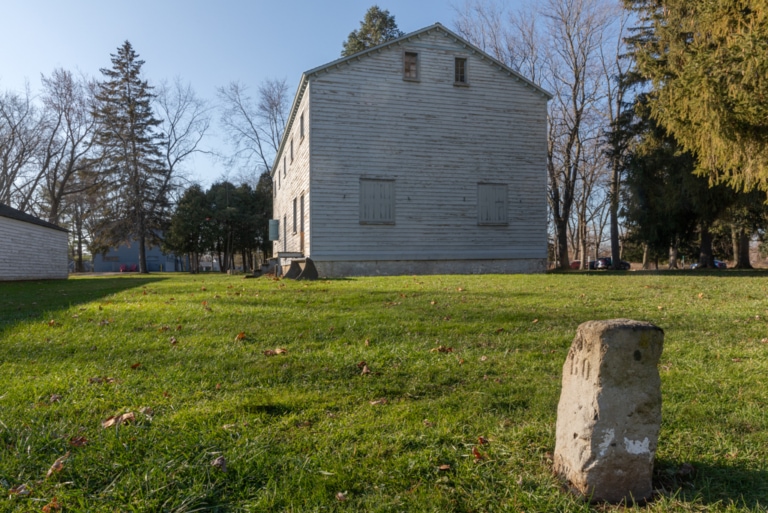
Barbara Worthy Special to Niagara Now/The Lake Report February is that month when winter is too long and spring is too far away … so stay cozy with the Niagara-on-the-Lake Museum’s virtual lectures
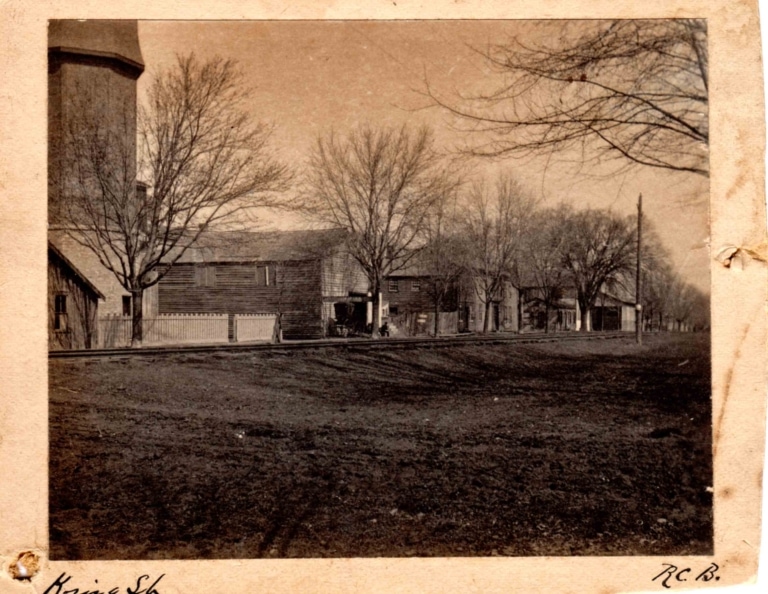
This photograph of the commercial block on King Street in 1890 shows (L to R) the water tower, Mike Greenes’ livery stable (currently Aura on The Lake, the restaurant), the Pacific Hotel, the
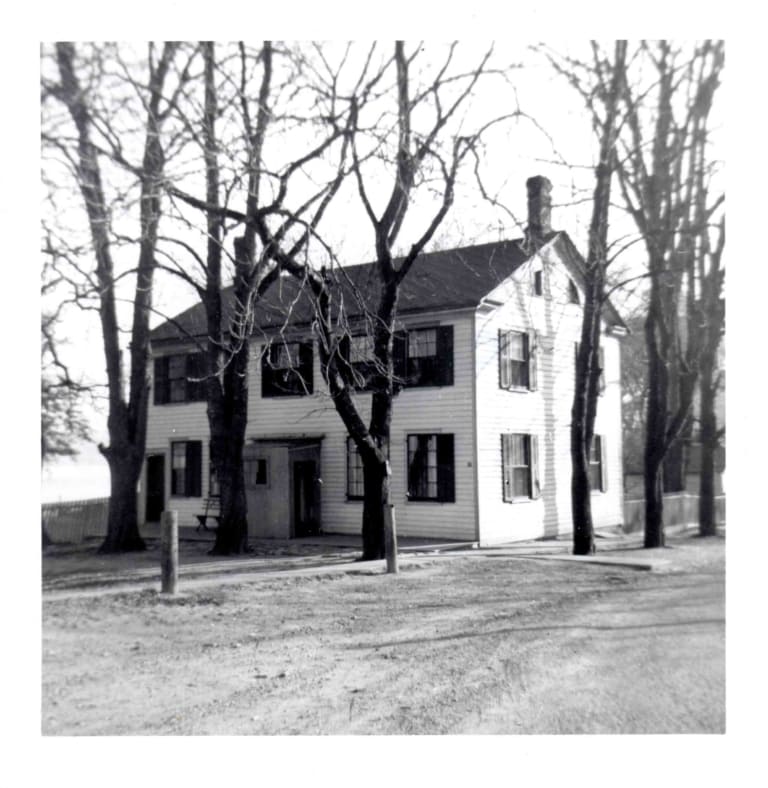
The Whale Inn, shown in this 1960 photograph (before its restoration), was built in 1835 to cater to sailors and merchants arriving at the Melville Street harbour. The Whale Inn is also known
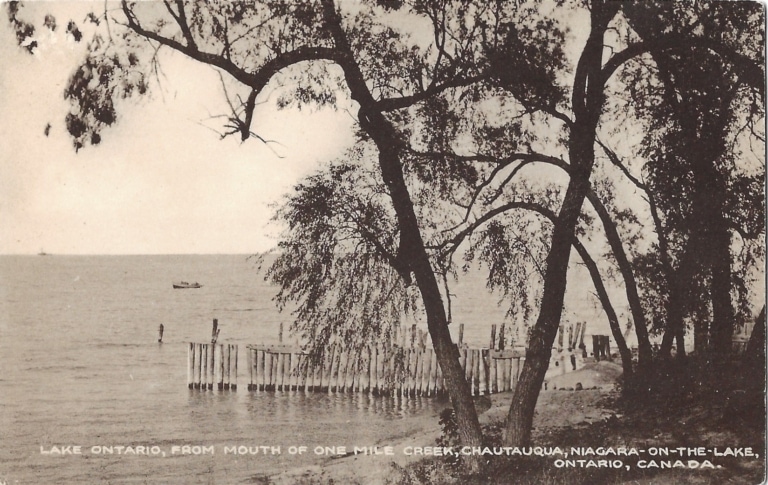
This photo postcard shows Lake Ontario from Chautauqua at One Mile Creek. The wooden stakes leading into the water were the remnants of the former steamship docks that were located there. Built on
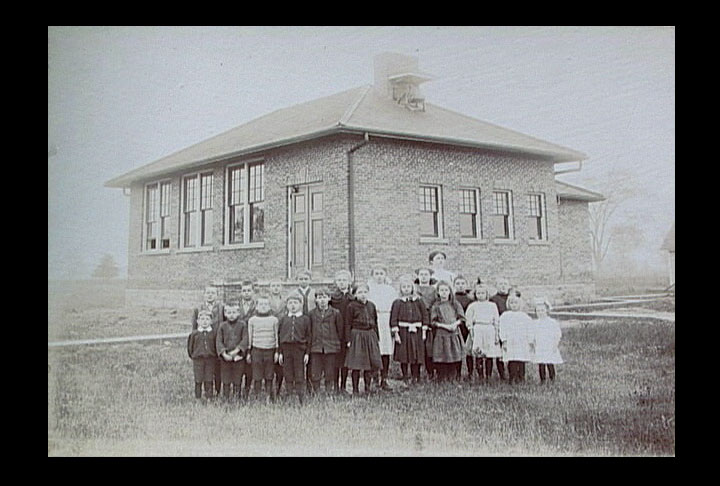
Here is the 1911-1912 class standing out front of the Railroad School at 1416 Line 3 Rd. The teacher behind the students is Elizabeth Dornan Ferguson. This was the new school built after
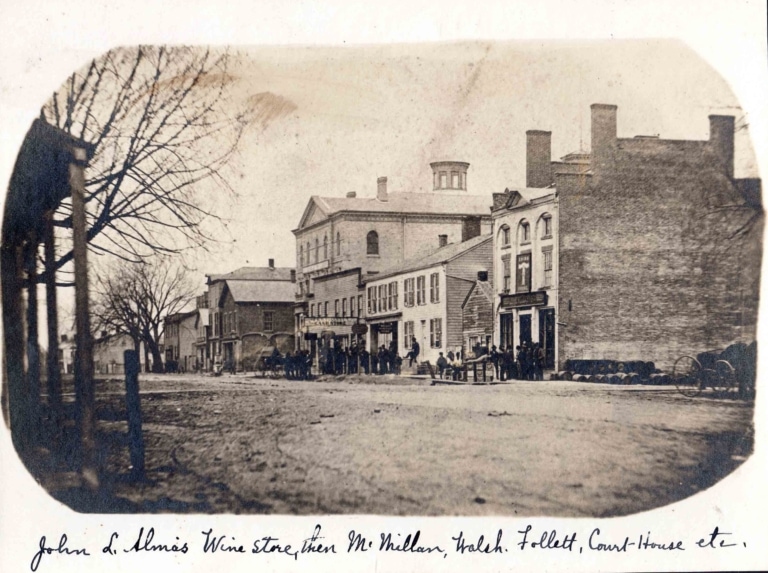
This 1870 view of the south side of Queen Street shows, from right: John Lees Alma’s upscale grocery and wine store, originally built in 1825 for dry goods merchant John Daly; an early
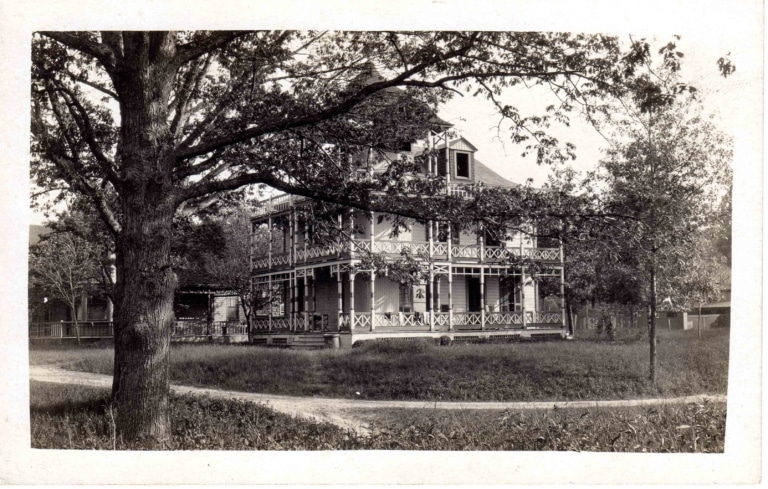
In the early 1880s, Robert Warren, postmaster for Niagara, and others from Toronto wanted to establish a summer camp based on the ideas of the Chautauqua movement. They founded The Niagara Assembly (formerly
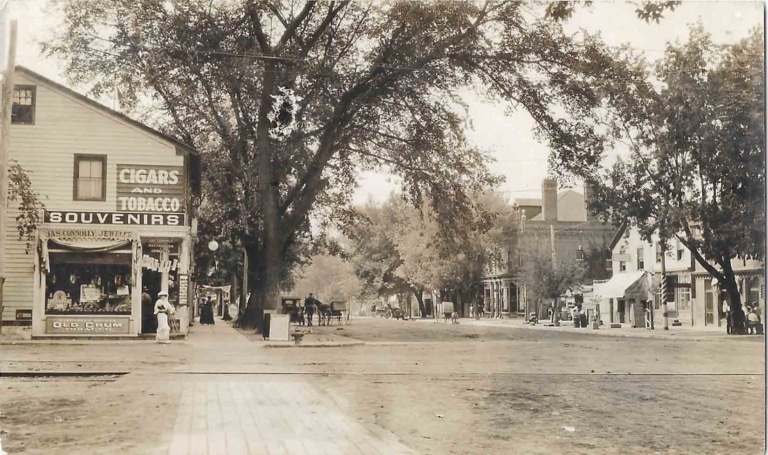
This photograph shows the popular heritage district intersection before the beloved cenotaph was installed. The store to the left is Connolly’s. The signage indicates that it was for jewellery and watch repairs, but
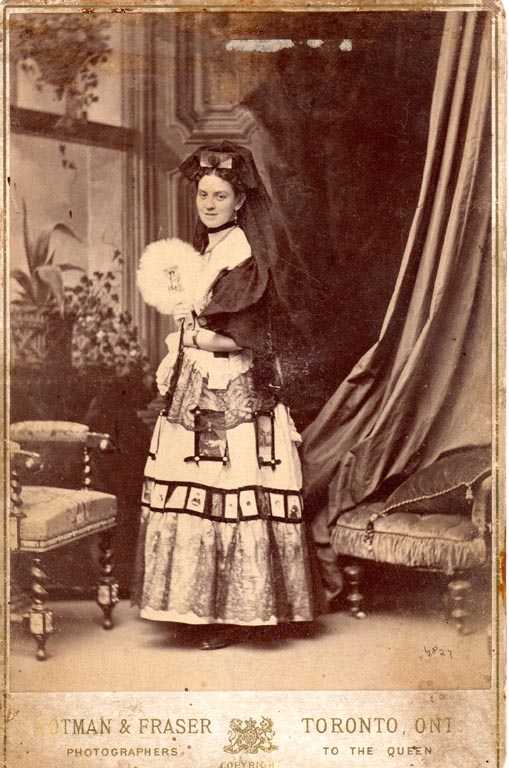
Charlotte was the daughter of an Irish fur trader and an Ojibwe woman from Sault Ste. Marie. As a young woman, she became an interpreter for missionaries and helped translate Christian sermons into
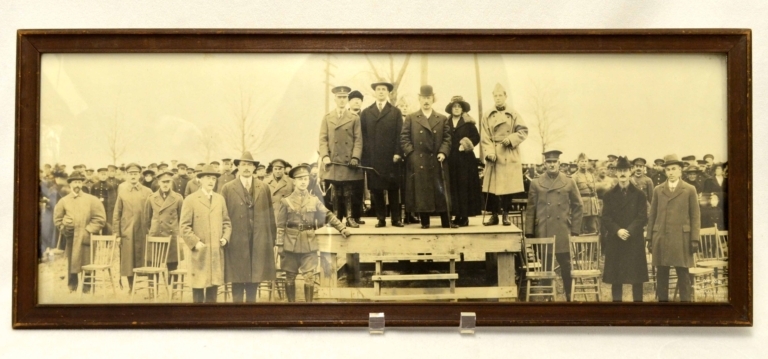
Beginning in September 1917, camps were organized on the Niagara Commons to provide two months of training for Polish volunteers recruited in the United States. The objective was to prepare them for a
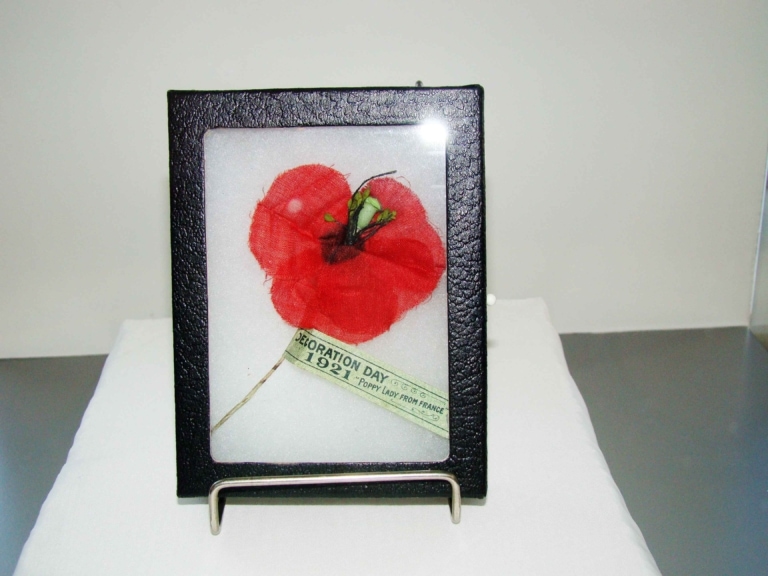
The adoption of the poppy was due, in no small part, to Lt.-Gov. John McCrae’s famous 1915 poem “In Flanders Fields.” After reading the poem in a magazine in 1918, American teacher Moina
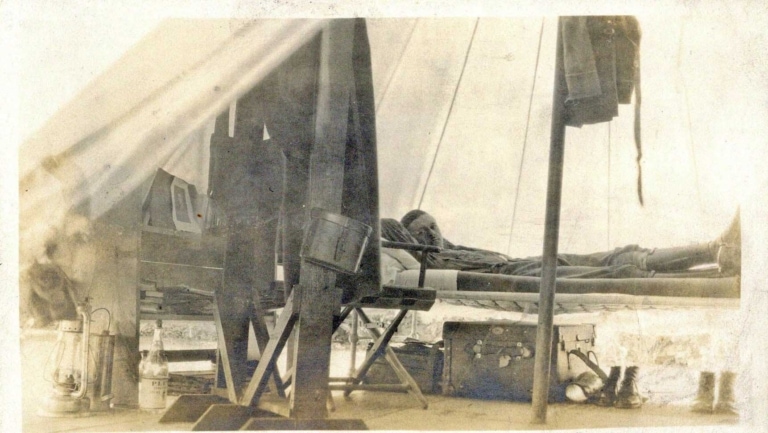
This photograph is captioned with “Solid Comfort: Lieutenant Cochrane after a busy day.” It shows the interior of a canvas tent that the officers and soldiers would have lived under during their training
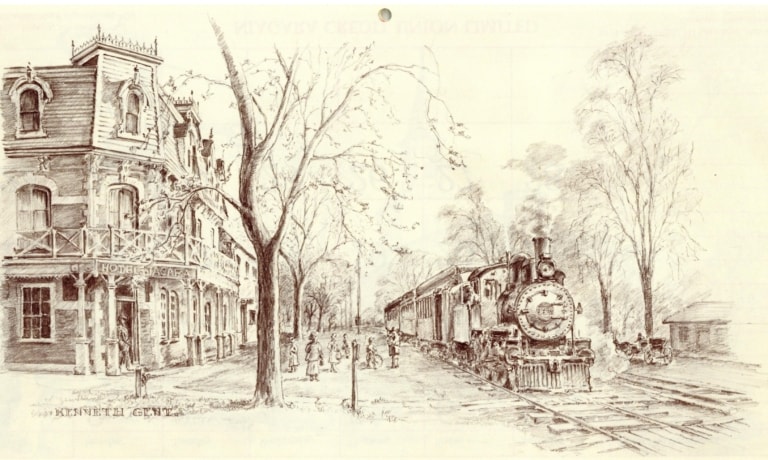
William Long, a local hotelier, built the hotel at the corner of King and Picton streets. In the 1890s, Long was involved in an accident caused by runaway horses and later died. In



© All Rights Reserved, Niagara Now.