Exploring History: Flu shot season is upon us
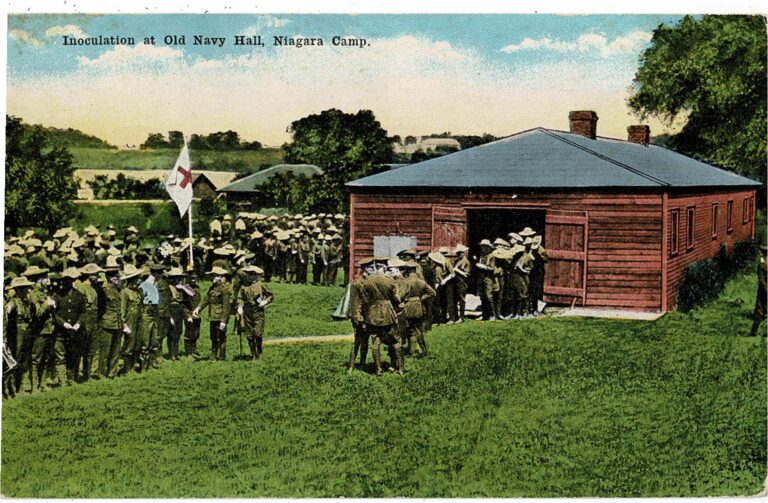
This week’s photograph shows soldiers at Niagara Camp during the First World War getting their obligatory inoculations of smallpox and typhoid.


This week’s photograph shows soldiers at Niagara Camp during the First World War getting their obligatory inoculations of smallpox and typhoid.
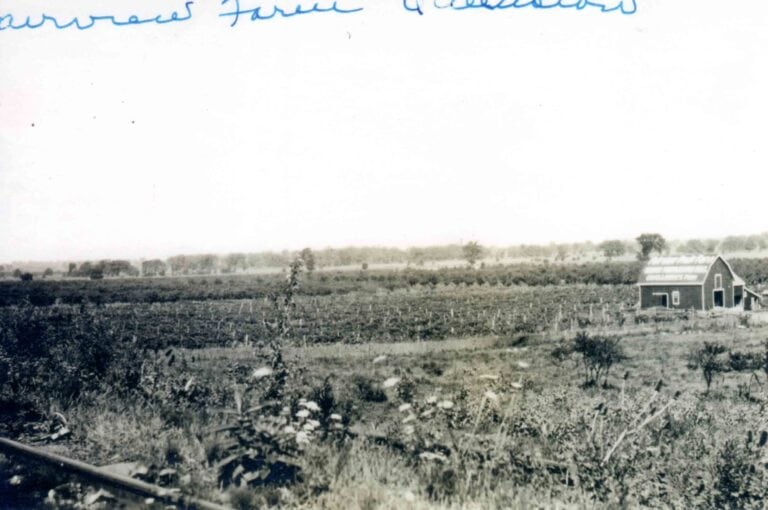
Matthew Charles Lowrey bought the original 42 acres in 1888 and established a successful fruit-growing operation on this land. Fruit farming became profitable in the 1880s, largely because railways opened up new markets for farmers.
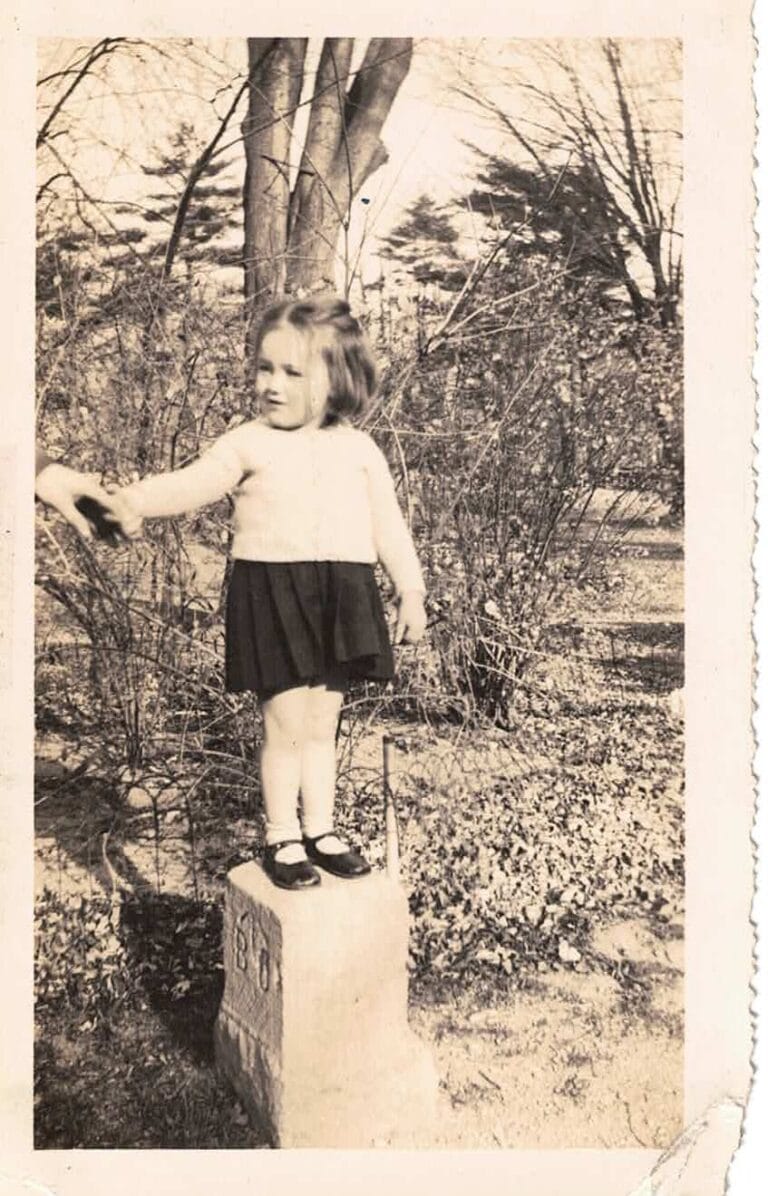
The ordnance boundary stones were erected around the perimeter of four properties in Niagara-on-the-Lake owned by the British military starting in 1823.
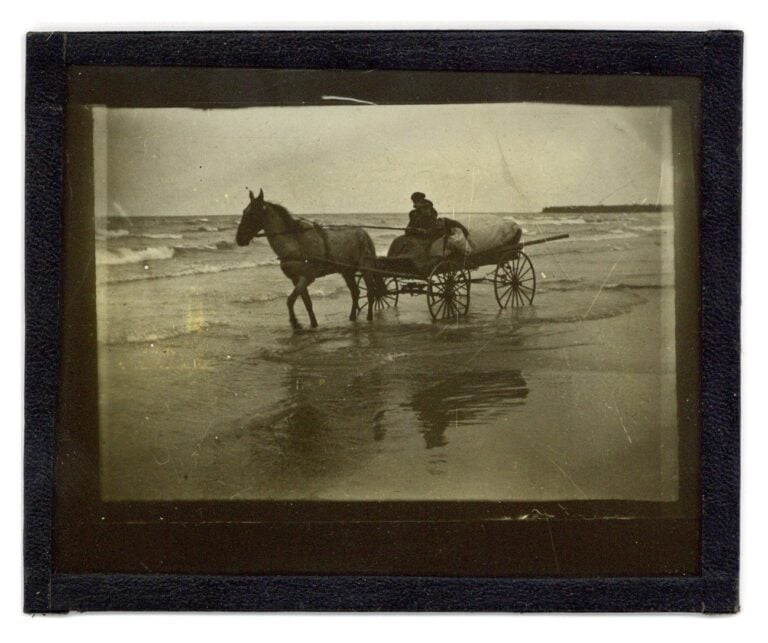
This week’s photo for Exploring History is a glass lantern slide that features a single horse-drawn cart riding the beach surf along Lake Ontario.
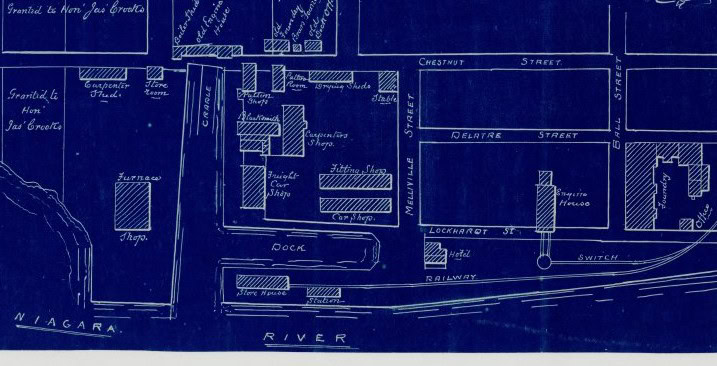
In these blueprint plans from the mid-19th century, the NOTL Museum focuses on the area where the Niagara Harbour and Dock Company buildings and the businesses that supported them were located.
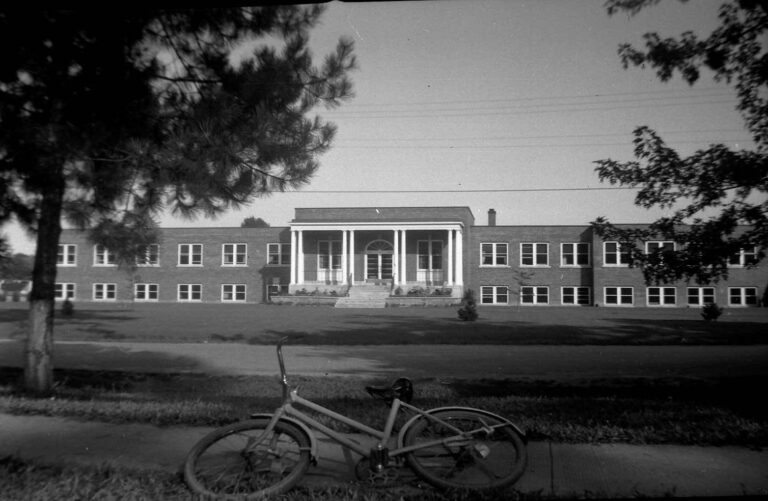
The total cost to build the Wellington Street hospital, including new equipment, was $222,943,82. A majority of the revenue came from community donations.
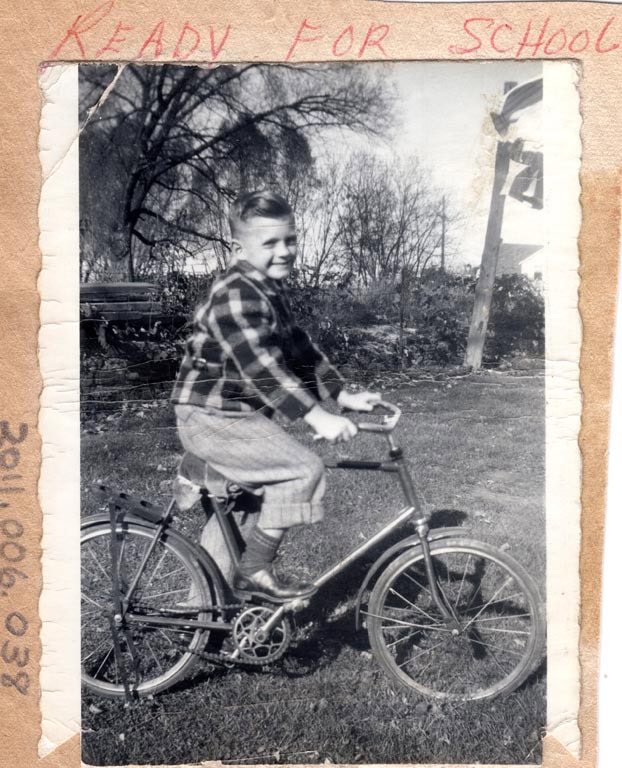
“As you start this new chapter, your parents are starting a new one, too. If they want to take a cheesy photo of you with a wooden chalkboard documenting your annual life decisions, let them,” writes the NOTL Museum.
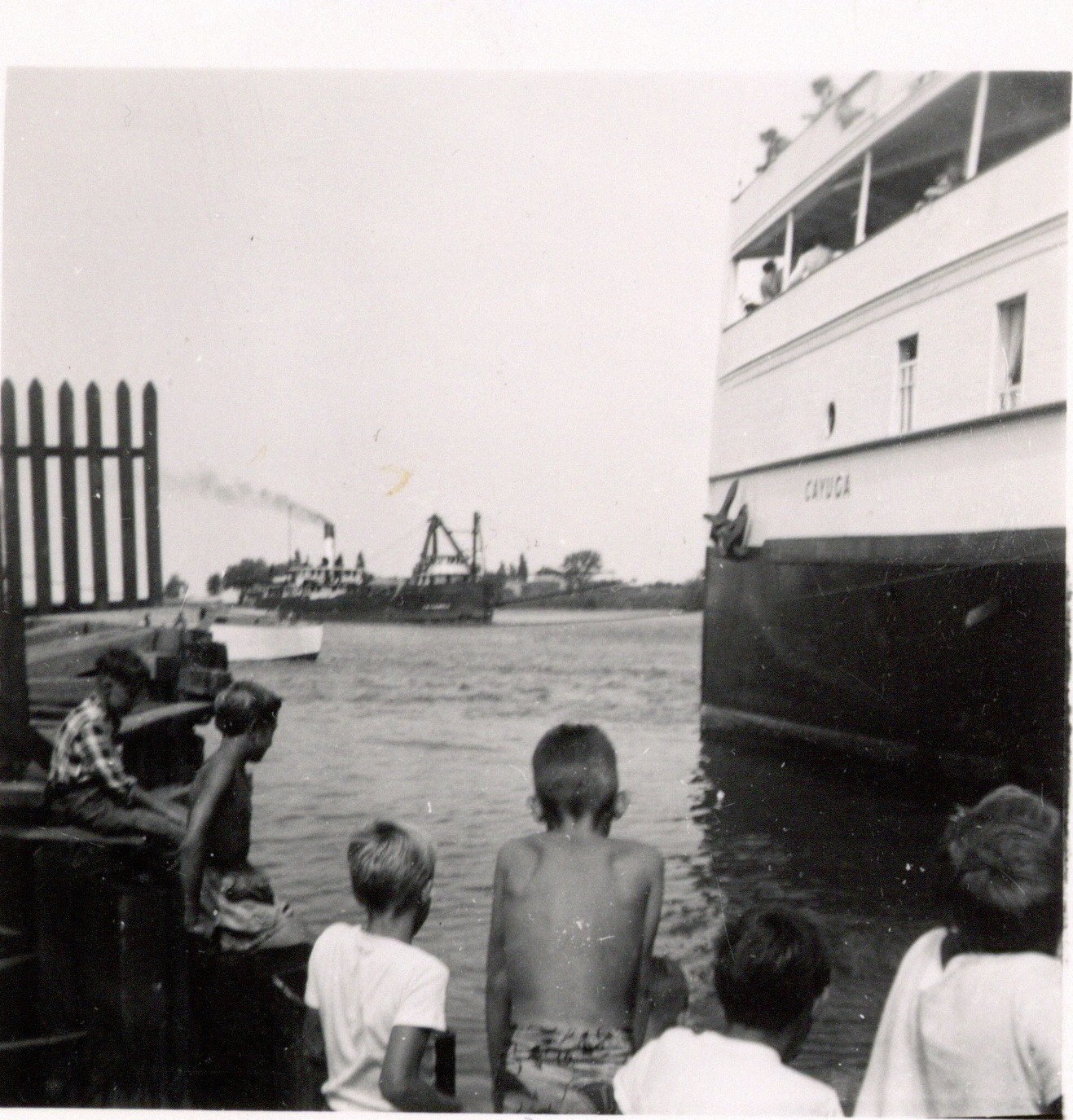
It is the last week of summer for many families as school is back in session on Tuesday. This week’s photo is of NOTL youth hanging out on the docks as the steamship, the Cayuga, pulls away.
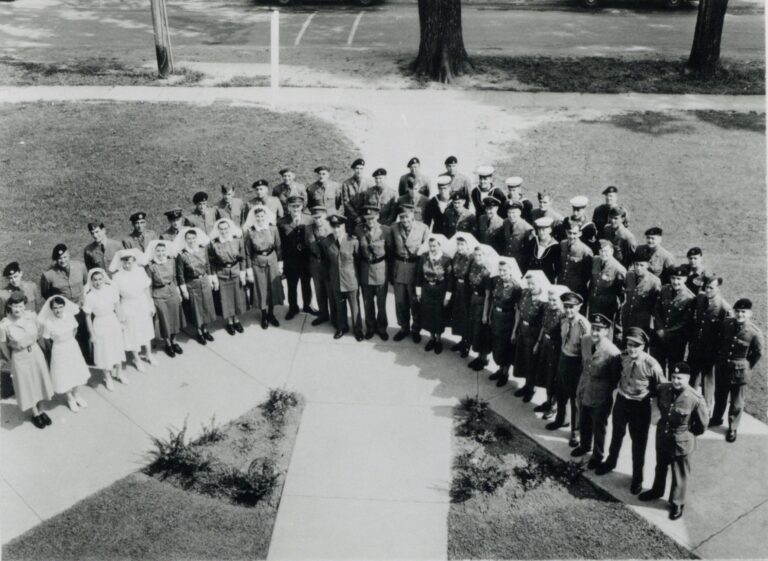
For 10 unforgettable days in August 1955, the Commons Scouts from all over the world learned new skills, maintained their campsites, forged lifelong friendships and discovered Niagara’s juicy peaches.
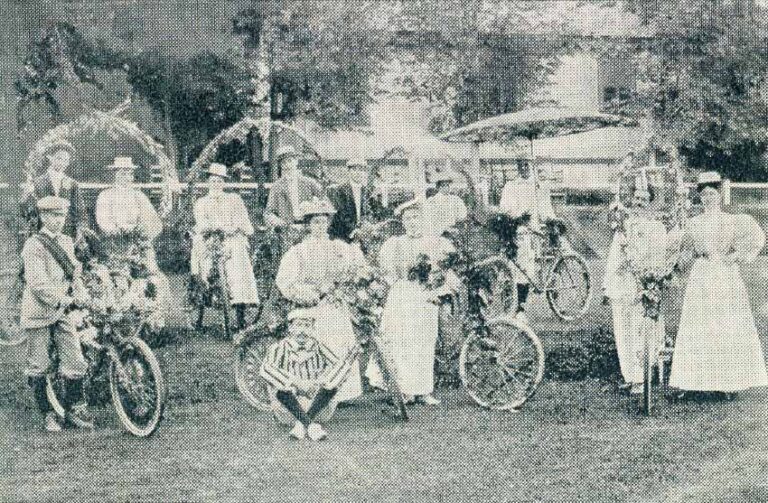
Held annually in the early 1900s in August, the Gymkhana welcomed cyclists from all parts of America for some fun competition.

It is that time of year when the farmers bring their tasty peaches to the Old Town district to celebrate the peach harvest.

Until the 1920s, a horse and carriage was still the primary mode of transportation for many in Niagara. The Town of Niagara had a few livery stables such as Michael Greene (and later Jack Greene) on King Street and Daniel Waters on Prideaux.

To see the best tennis 125 years ago, you would have headed to the Queen’s Royal Hotel, now the site of Queen’s Royal Park off King Street in the Old Town district.

Built during the late 19th-century boom period, the pumphouse supplied the town with water from the Niagara River until 1983.

An archeological dig held in 1998 discovered that the site appears to have been frequented by hunter-gatherers more than 6,000 years ago.

“Not only did we defend our borders from our neighbours to the south and distinguish ourselves from them, but we also demonstrated to Britain that the settlers here in the colony had true grit to defend our homes,” writes the NOTL Museum.

To all our local students who have worked hard all year, we say congratulations on making it to the end! We are proud of all our graduates, too!

By the 1890s, warriors from Six Nations made up two companies of the 37th. This battalion attended Camp Niagara during the summer from time to time for training.

Janet didn’t just preserve history — she made it. Now, in 2025, the NOTL Museum is channelling the spirit of Janet and her iconic bun as it celebrates 130 years of getting things done.

Janet Carnochan was a local powerhouse of a woman who worked as a teacher for 45 years and became the Niagara Historical Society’s first president. Janet, along with her board, opened Memorial Hall on June 4, 1907.

People have been fishing Lake Ontario and the Niagara River for as long as humans have inhabited these shores. The river, lake and creeks once had an abundance of fish, which allowed humans to develop an important relationship with our waterfront.

This week’s photo shows the former lawn bowling green at the corner of Johnson and Regent streets in the Old Town district of Niagara-on-the-Lake. The lawn bowling club began in 1877 and moved from this location to its new home at the Community Centre in 2011.

This 1955 political cartoon highlights the issues that were top of mind for then Lord Mayor William Greaves Jr. during his tenure. It seems he was in a real “jam” that year.

It’s a historical collection covering several decades of Niagara-on-the-Lake’s early days, includes hundreds of artifacts and details the life and times of one of Upper Canada’s most influential Loyalist families — a family whose fingerprints are all over the history of this town.

Historians believe that the town and part of the township may have been briefly named after Charles Lennox, an important member of the British government at the time.


© All Rights Reserved, Niagara Now.