
Exploring History: A dramatic splashdown into the Pacific
The Apollo 11 mission stood as a defining benchmark in human spaceflight for more than half a century. That is, until the Artemis II mission returned safely to Earth on April 10.

The Apollo 11 mission stood as a defining benchmark in human spaceflight for more than half a century. That is, until the Artemis II mission returned safely to Earth on April 10.

In the summer of 1930, to demonstrate the viability of transatlantic commercial airship service, the British R-100 left Britain on a three-day journey across the Atlantic.

The Carnochan House, built by Janet Carnochan, stands as a testament to her lifelong dedication to preserving Niagara-on-the-Lake’s history.

For Brian Johnston — a chartered professional accountant by training and longtime real estate executive — a community’s strength lies not only in what it offers today, but in how well it understands its past.

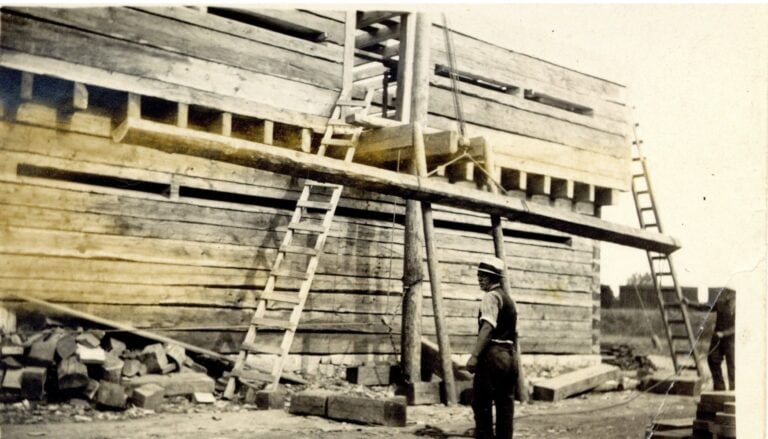
Constructed entirely of wood, with heavy timber framing and no iron gearing, the mill reflects the ingenuity and resourcefulness of early Loyalist settlers.

Around 1900, John Larkin of the Larkin Company began purchasing land in Niagara and eventually acquired several properties in Niagara-on-the-Lake, including Glencairn.

The “Pumphouse,” built along the Niagara River in 1891, used steam-powered pumps to provide filtered drinking water to residents for more than 90 years.

William Harrison and his three sons operated a hardware store from this building and property on Queen Street.

The electric railway service known as the Niagara, St. Catharines & Toronto (NS&T) travelled from the terminal on Geneva Street in St. Catharines to King Street and the docks in NOTL.

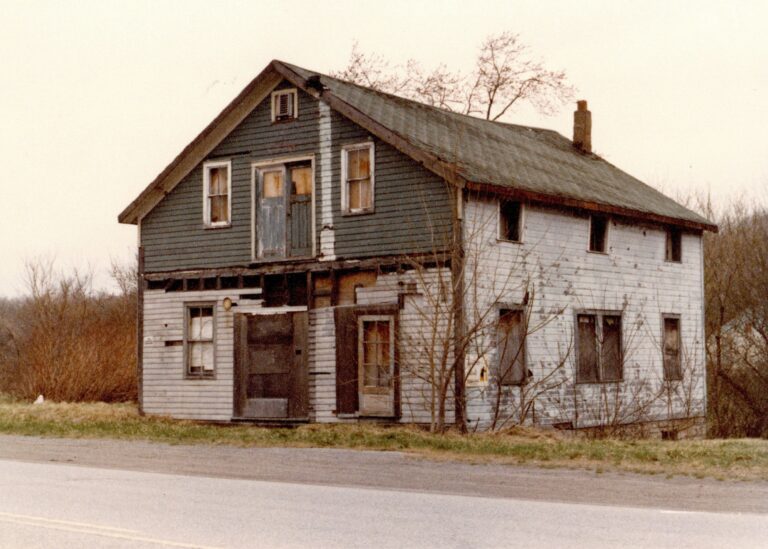
This Heritage Week, the McDougal-Harrison House is just one of Niagara-on-the-Lake’s hundreds of heritage buildings that highlight the importance of preserving local history.

The Cayuga regularly docked in NOTL as it did the day this image was captured. Known as “the ship of romance,” it once brought millions of passengers to NOTL between 1906 and 1957.

Niagara-on-the-Lake once played host to a most splendid military ball in the 1890s, at the elegant home of the Woodruff family in St. Davids or at the distinguished Queen’s Royal Hotel.

Built around 1915 as the Kitchener Theatre, the Royal George Theatre originally hosted vaudeville performances for soldiers stationed at Niagara Camp.

As the oldest standing building in the Great Lakes basin, the French Castle has guarded the mouth of the Niagara River, a waterway that has long connected Indigenous nations and, later, it became a meeting place for trade, diplomacy and conflict between nations.

Niagara-on-the-Lake’s winter sculpture tradition was first captured in image during the First World War, when Polish soldiers stationed at Niagara Camp crafted playful snow figures in Simcoe Park.

“Hockey here wasn’t just a pastime — if we are to believe local lore, it was also a place for innovation.”

“Winter has certainly made itself at home this month, and when the frost isn’t nipping at our noses, there’s nothing better than heading outdoors to enjoy a few classic winter activities.”

“This museum is, above all, the community’s museum. What has kept the museum alive for more than a century is not simply the buildings or the collections — it’s the spirit of the people.”

At the height of its popularity, the Canada Steamship Lines fleet would transport up to 10,000 visitors from Toronto to Niagara and Queenston on a busy summer weekend.

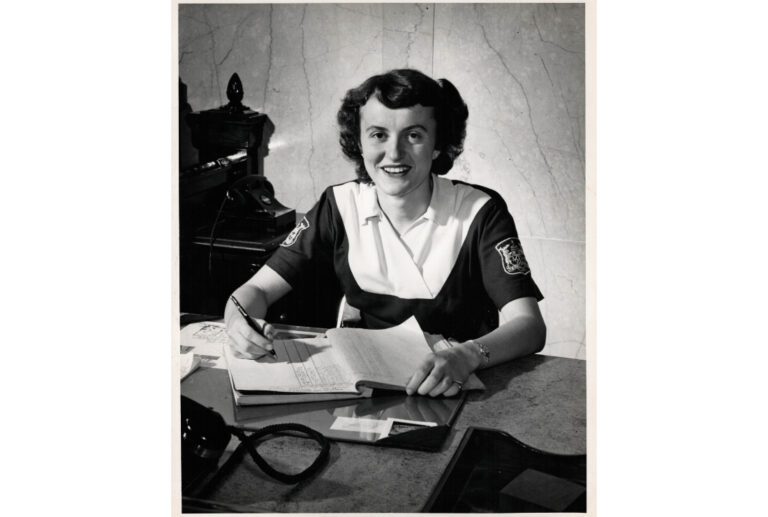
In 1960, Blanche Quinn started working at the flight desk, though she knew very little about flying. But that didn’t last long. She spent 28 years of her life working with the Niagara Airport Commission.

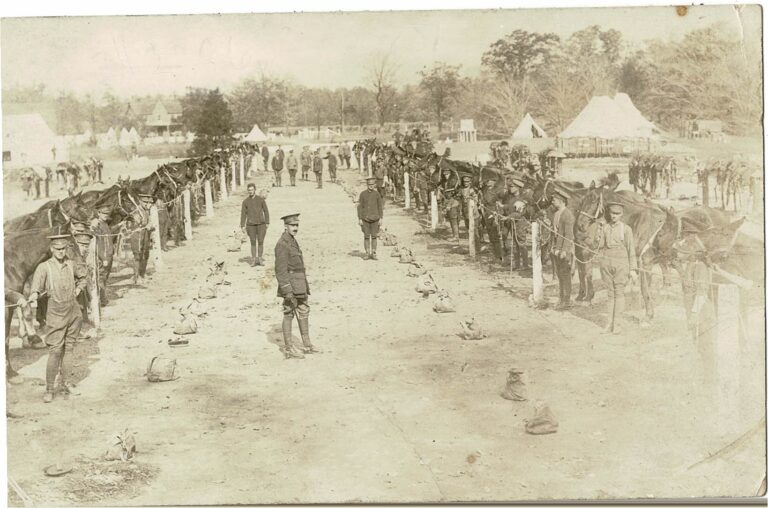
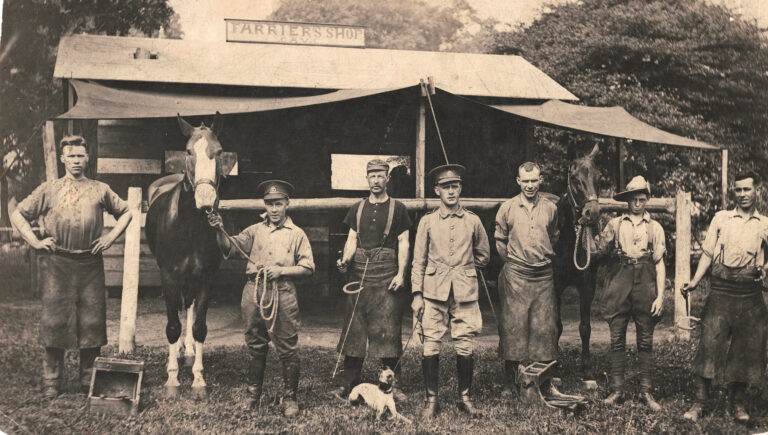
During the First World War, horses were an important part of strategic warfare. Farriers, who had to be skilled in both blacksmithing as well as veterinary services, played an important role at the Niagara Camp training grounds.

Following the Second World War, the federal government gave up part of the Niagara Commons for special housing as a way to honour local veterans returning home.

From the ultimate sacrifice to lost limbs to survivor’s guilt to shell shock, generations to come would feel the severe after-effects of the Great War.

After playing with the Tigers, Pud became a local war hero in Niagara-on-the-Lake. During the First World War, he went overseas with the 92nd Highlanders.

This week’s photograph shows soldiers at Niagara Camp during the First World War getting their obligatory inoculations of smallpox and typhoid.

© All Rights Reserved, Niagara Now.