
Arch-i-text: Let’s get creative
Spurred by the housing crisis that has fully blossomed over the past few years, during the last couple of weeks I have attempted to present an argument for a co-ordinated address based on


Spurred by the housing crisis that has fully blossomed over the past few years, during the last couple of weeks I have attempted to present an argument for a co-ordinated address based on
Far too often when the term “affordable housing” is used, our minds draw an equivalent to the subsidized housing projects that proliferated across this province during the third quarter of the 20th century.
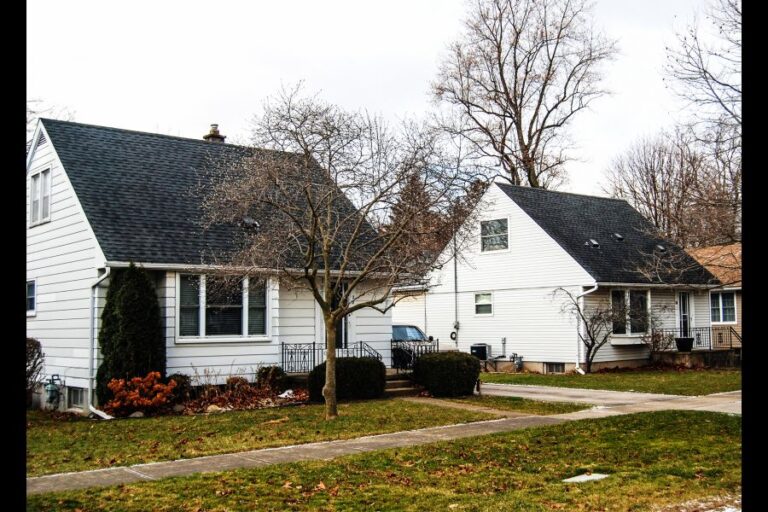
Housing Quandary As I was listening to talk radio one day last week, I heard a caller state: “I’m 33 years old and make $130K per year. I have been looking to purchase
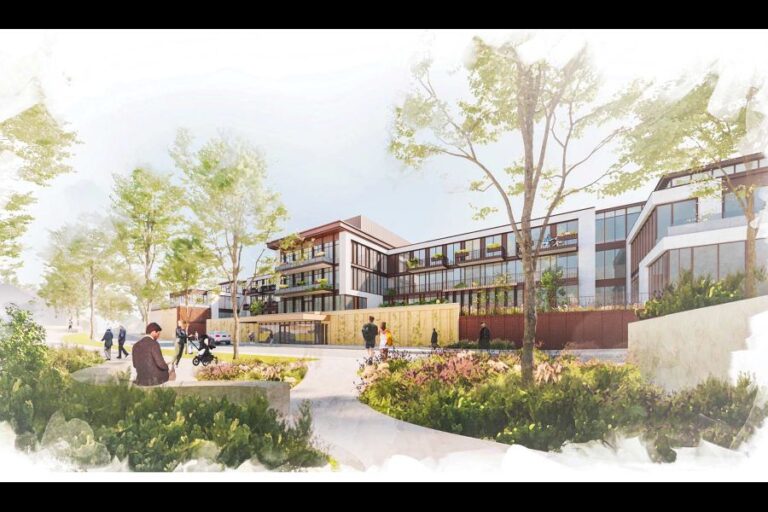
The streetscapes of a town are the images one conjures from our memory. They evolve over time as new buildings are constructed beside older structures, each a reflection of societal change. The most
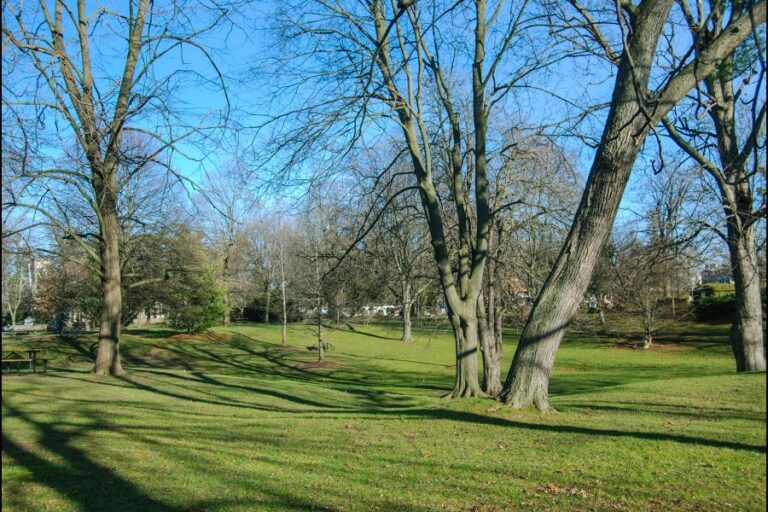
What makes a town like Niagara-on-the-Lake special for both those who live here and the visitors who flock here annually? Further, why has it been often described as the “prettiest town in Canada?”
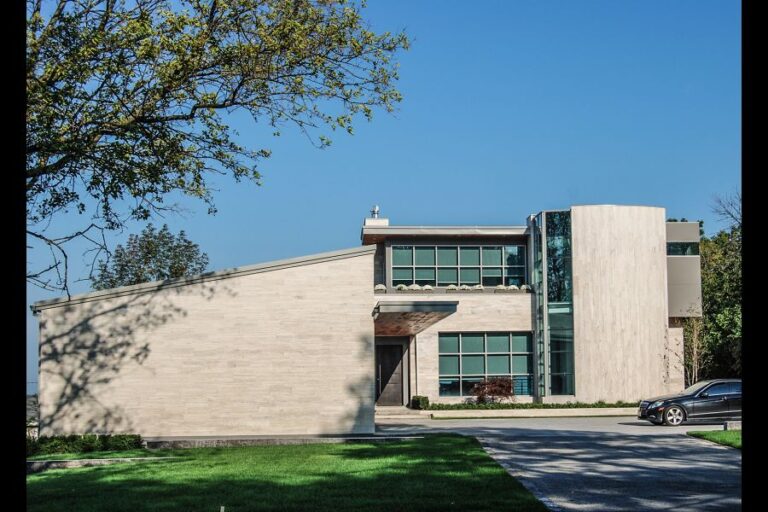
Good architecture is the expression of an artistic vision. And similar to art, from hyper-realism to expressional abstract, the field of creative expression in architecture is evolutionary and its success or failure devolves
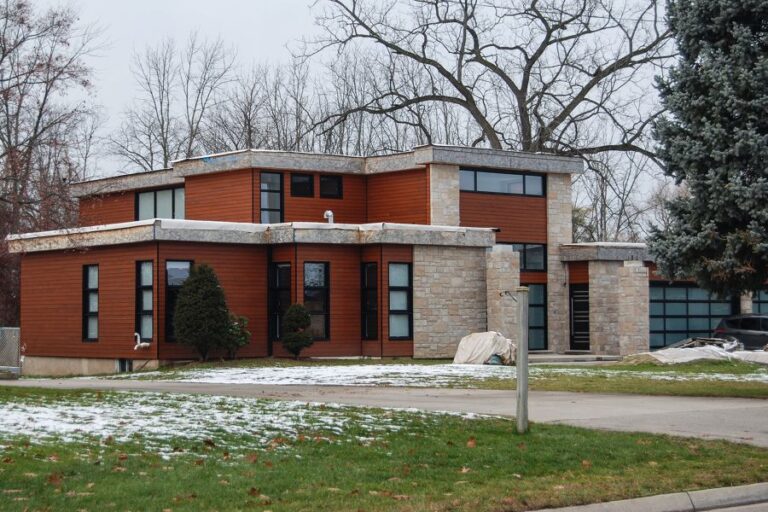
In the built-heritage field the term “rehabilitation” is generally a reference to work performed on a historic house which returns the dwelling to a useful state by means of repair, modification or alteration.
When speaking to designing and the landscape, the eminent Canadian architect Ron Thom said, “There are three choices: destroy, alter or integrate. The first option is the one invariably chosen by subdivision developers

I freely admit to having a passion for collecting thoughts, ideas and concepts expressed in the written word. I delight in reading and periodically rereading particularly insightful books and articles contained within a
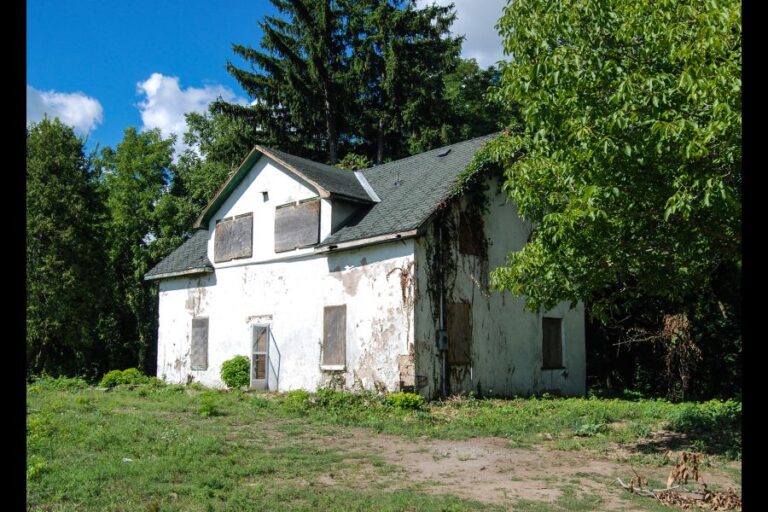
In last week’s column I wrote about the Secord-Paxton house in St. Davids. This historic house, now owned by a developer, is being allowed to slowly deteriorate to a point where it will be
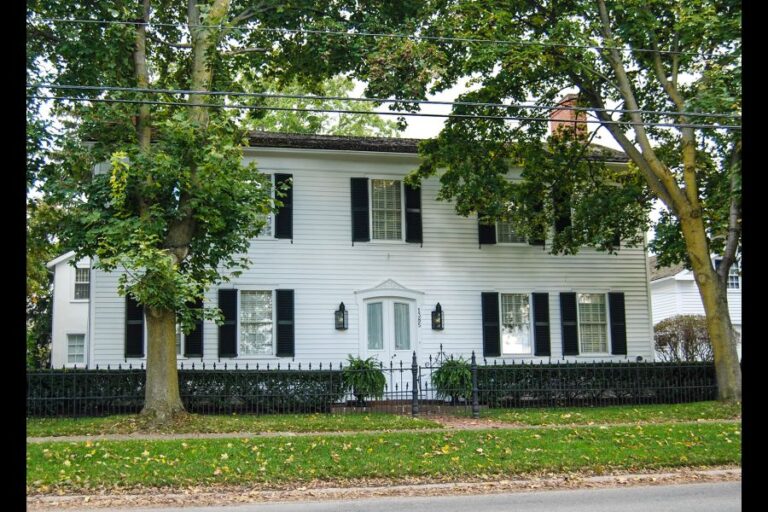
It is a bit of a challenge for me to write about St. Davids in the context of this column since in recent years this village has come to typify what can happen
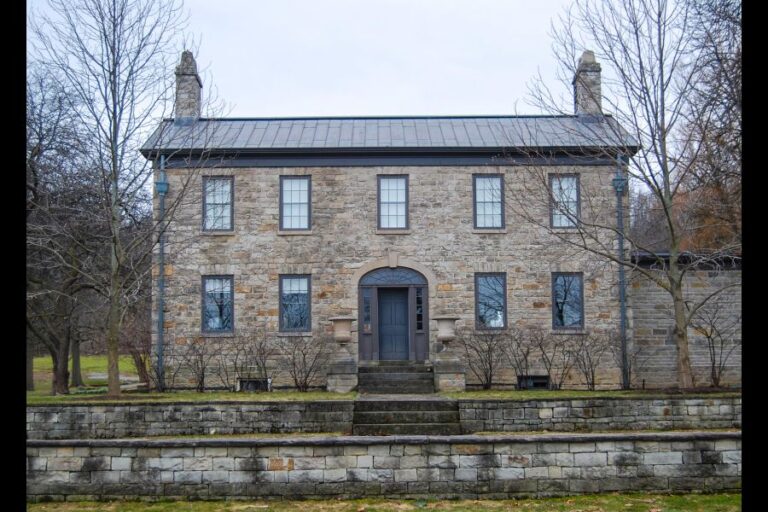
Having strolled the streets in the village last week, let’s take a look at some of the residences along the Niagara River Parkway and York Road in the vicinity of Queenston. We’ll begin with
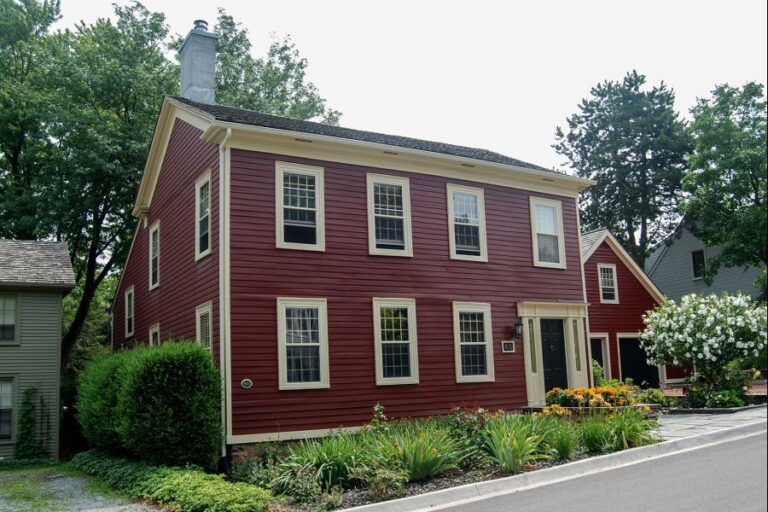
Queenston was not always the quiet little village we’re familiar with today. Settled principally by Loyalists in the last quarter of the 1700s, it served as the northern terminus for the overland transportation
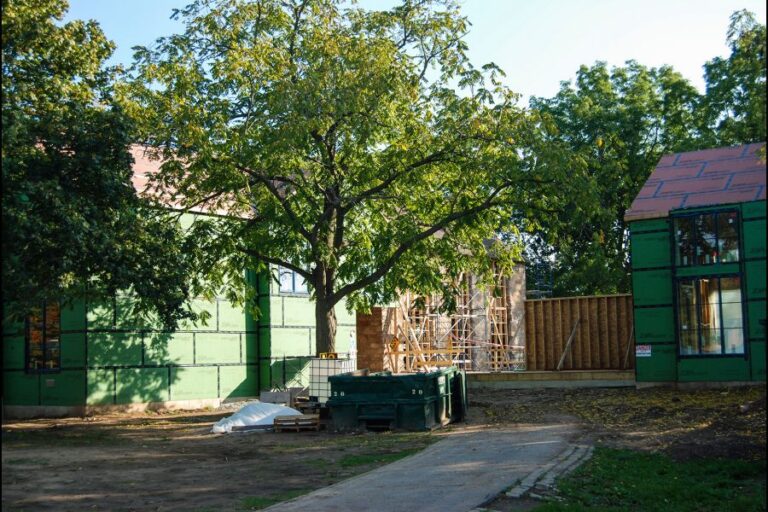
My original intent for this week’s column was to continue the “walk-around series” I had begun with Virgil, shifting it over to the village of Queenston. In fact, on the weekend, I drove
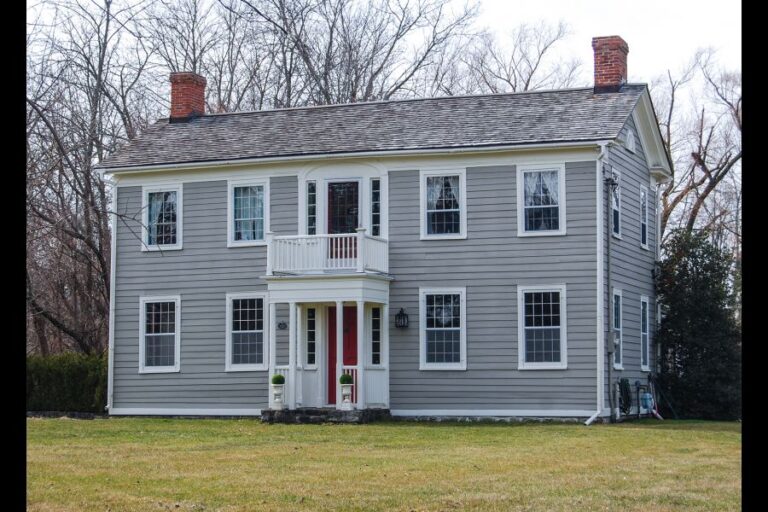
Last week’s column suggested that other survivors of Virgil’s built heritage could be found off Niagara Stone Road. Following up on this, let’s visit a few of these historic homes. We begin by
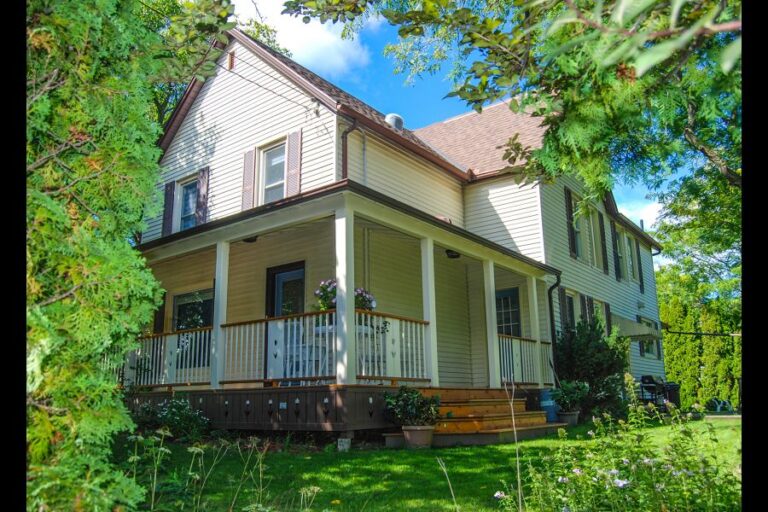
The subject of last week’s column centred around Virgil and highlighted a couple of houses lost from the heritage of that village. I went on to suggest there were historic “survivors” still standing. To
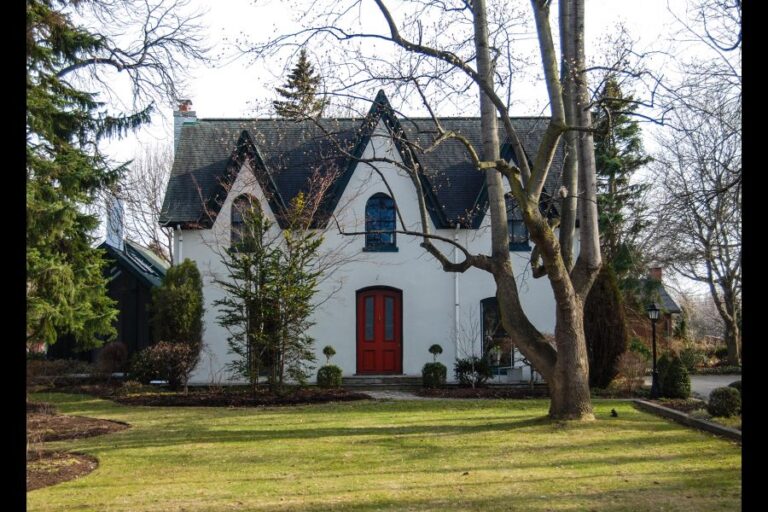
When thinking of Niagara-on-the-Lake many people focus on historic Old Town as the “jewel in the crown” while consigning the majority of the jurisdiction to a distant also-ran status. This is nothing new. In
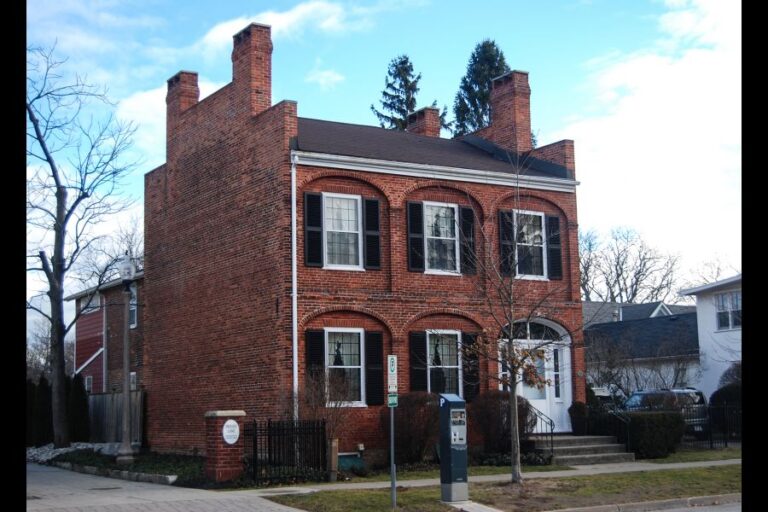
Towns evolve over time and their architecture (both residential and commercial) tends to reflect, in part, the cycles of changing economic conditions. During boom periods, larger, more impressive buildings were constructed. But when the
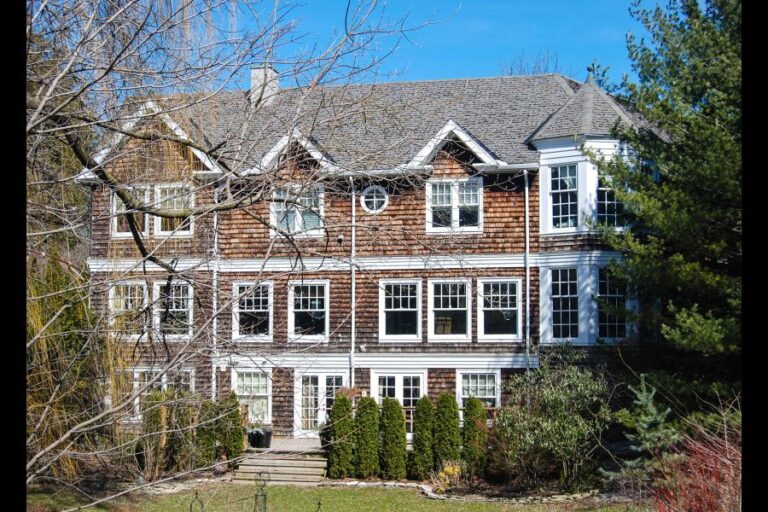
In several of my past columns, most recently in my series on infill builds, I referred to the New Traditional school of design. However, I have really not elaborated on the approach this
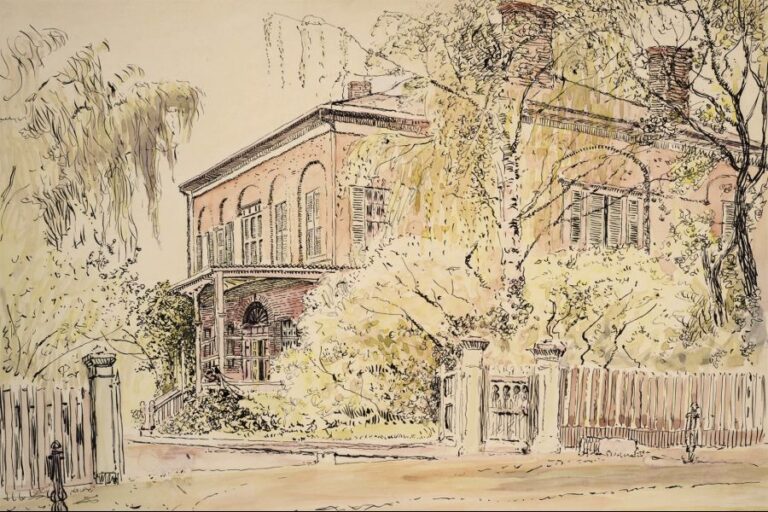
There is no question that the War of 1812 destroyed much of the town’s original built architecture. Many fine buildings were put to the torch and burned to the ground. Imagine if Robert Kerr’s
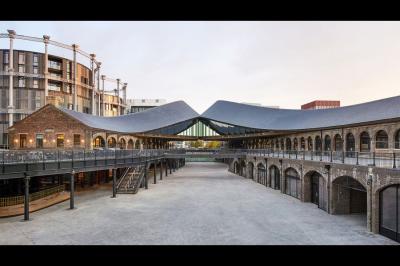
Why is it that Canadians must always attempt to put everything into nice, neat little boxes? The need to categorize seems to be part of our national condition. Unfortunately, this predilection limits our
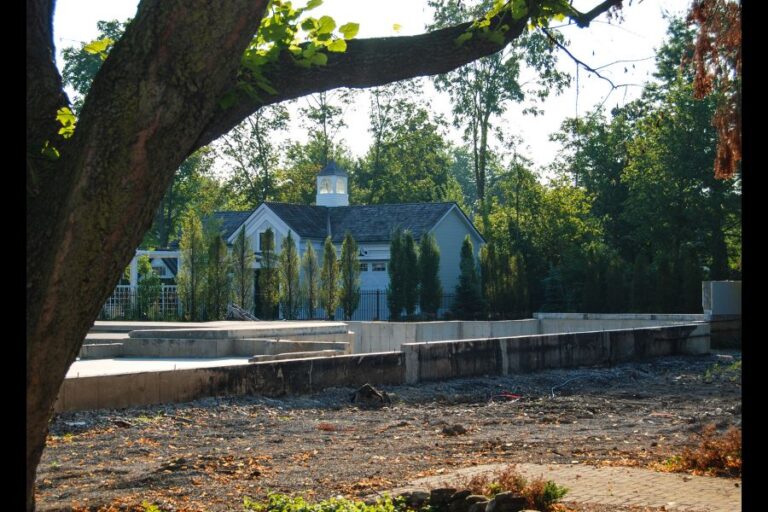
Over the course of history, I suspect fire has destroyed more human-built structures than any other calamity. One would think, with the advances in building technology that our species may have focused more
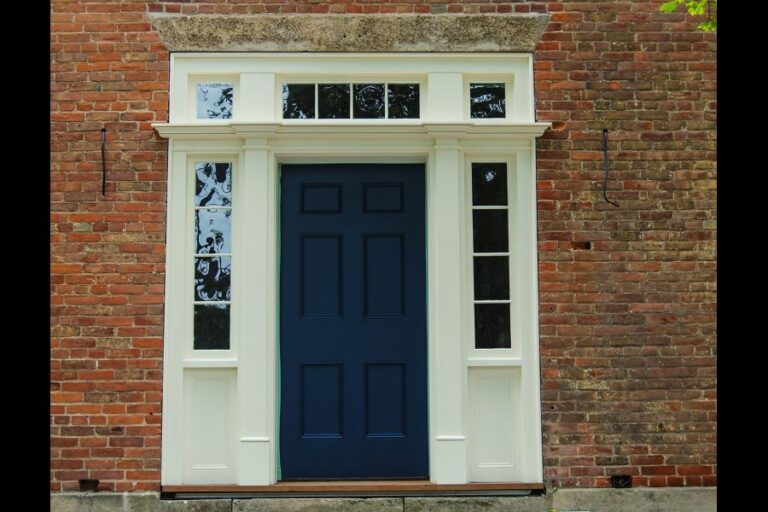
I'm the first one to admit I’m OCD about realizing the finest expression of a heritage building which, typically, is how it would have appeared when first completed. I think the goal of
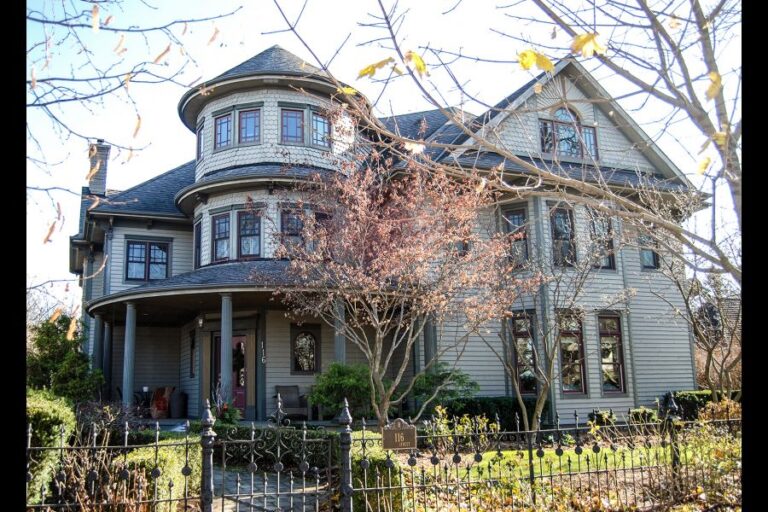
In last week’s column we reviewed a number of considerations related to context being fundamental in developing good residential infill design. Height, massing, topography, setback patterning, establishing open space and preserving lines of
So you’d like to build a dream house as an infill within an established neighbourhood. Where do you start? It should not begin with acquiring a lot, unless, of course, you are completely open


© All Rights Reserved, Niagara Now.