

-768x512.jpg)
Arch-i-text: Not so long ago
Sometimes I think it’s easy for us to forget that, not so long ago, Niagara-on-the-Lake was a quiet little town surrounded by farms and orchards. Vineyards were a rarity and grapes were associated


Sometimes I think it’s easy for us to forget that, not so long ago, Niagara-on-the-Lake was a quiet little town surrounded by farms and orchards. Vineyards were a rarity and grapes were associated

Like many things, as taste, style and availability changed, flooring has undergone many iterations in form and type over the last couple of hundred years. These days I am continually reminded of that
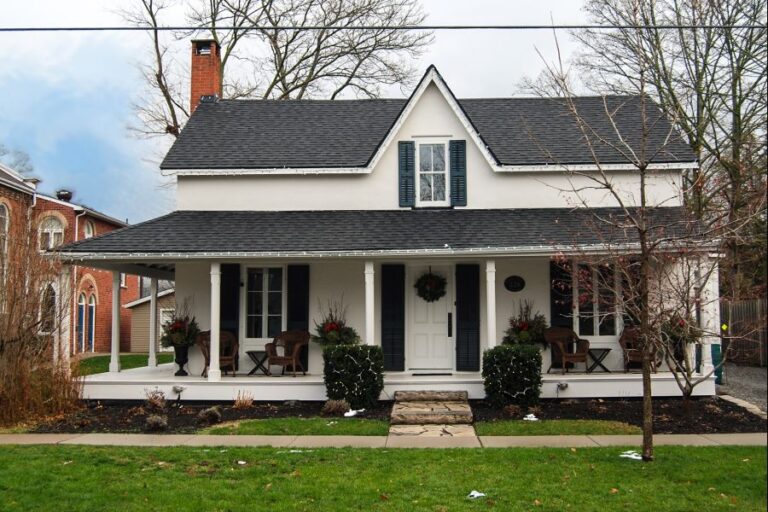
There is a lot of sloppy terminology employed in the heritage field when describing architecture. While accuracy is one of my hobby-horses, it’s something I believe is central to establishing a common understanding
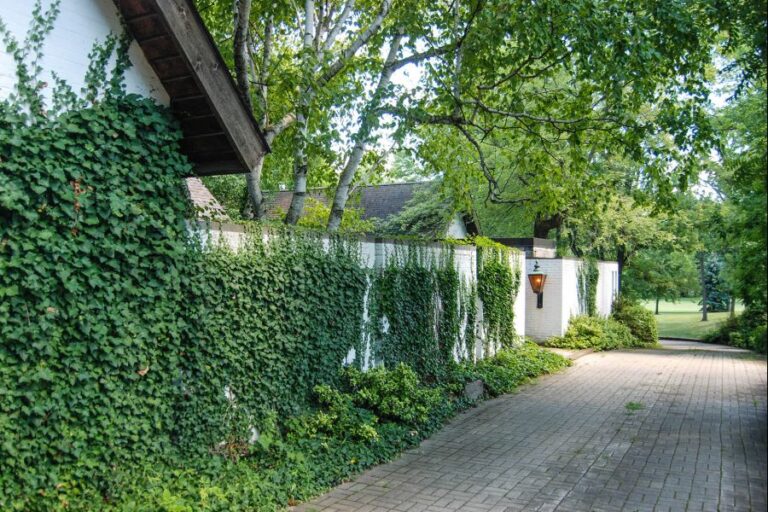
I regret never having the opportunity to meet the renowned Niagara architect Don Chapman. We had some tentative plans to do so in the spring, but the COVID lockdown denied that opportunity. Now,

At the risk of making an understatement, I’ve got to say that it has been quite a year. Despite all the COVID crazy, it’s actually been a landmark for NOTL heritage. As many
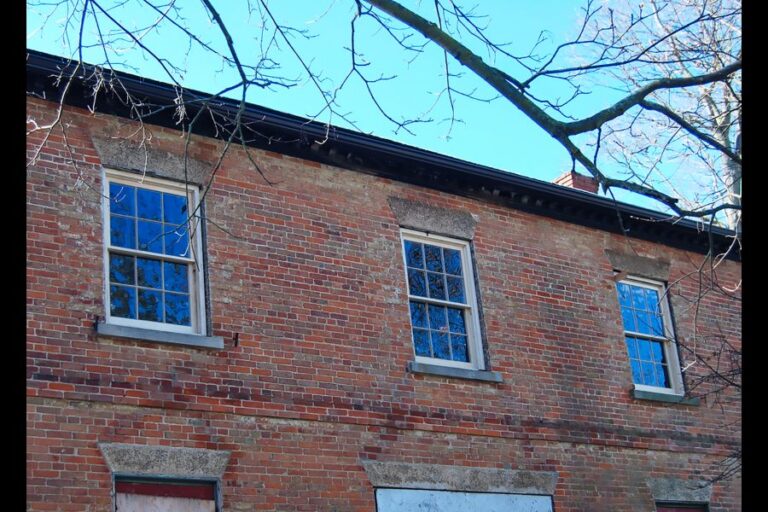
To achieve a seamless presentation when renovating any type of house involves equal measures of art and discipline. Unfortunately, far too often art trumps discipline, or discipline rules, or both are forgotten. In
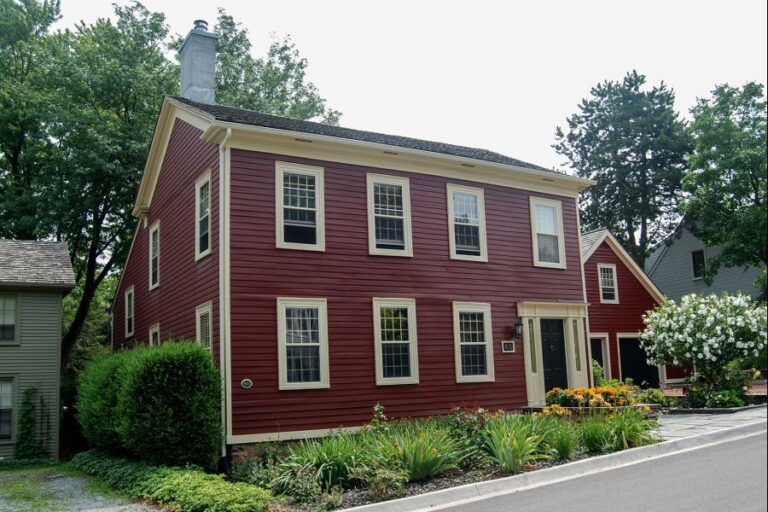
As many who know me can attest, I have a tendency to be irked by the casual misuse of architectural terminology. It’s not that I’d stop a conversation to correct the individual speaking,
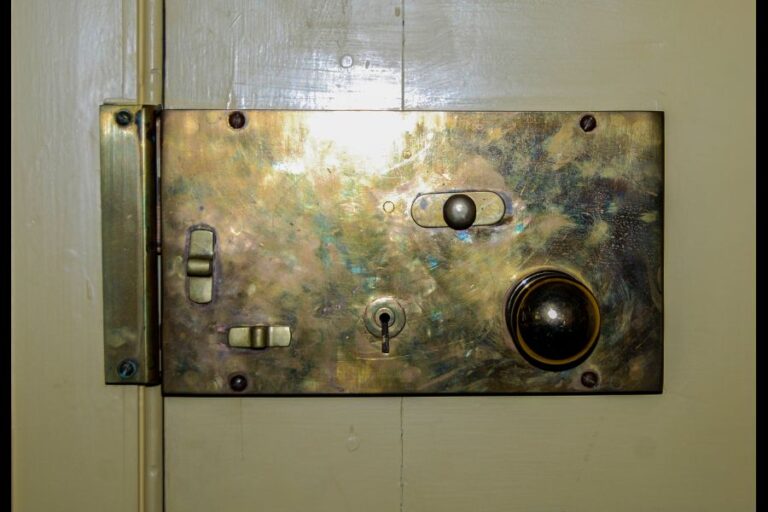
I requested quotations recently on the construction of a historic reproduction front door for a heritage house. Foolishly thinking to save myself some time, rather than do a drawing of the six-panel door itself,
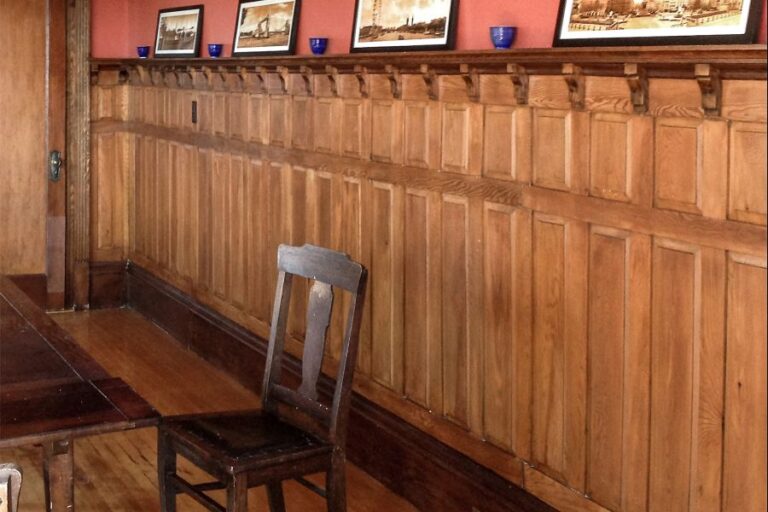
I love wood. Whether it’s left natural or painted, there’s something about it that resonates in me on a very basic level. Perhaps it’s the fact that no matter how finely finished, there
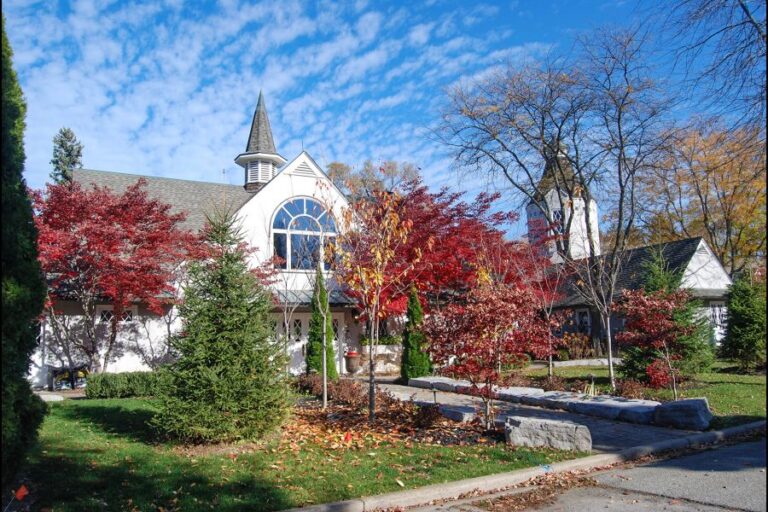
For many years, one of the prevalent housing trends in Europe, particularly in the U.K. has been the conversion of old agricultural buildings into homes. Of course, over there, the barns, stables, piggeries
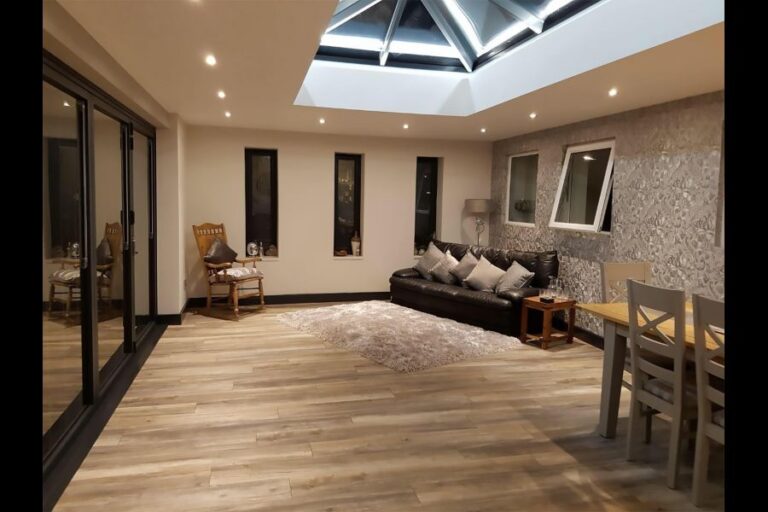
Most of us have been in an old building that sported cast iron radiators. Whether the plain cast utilitarian version or ornately decorated upscale models, these rads were the Victorian answer to creating
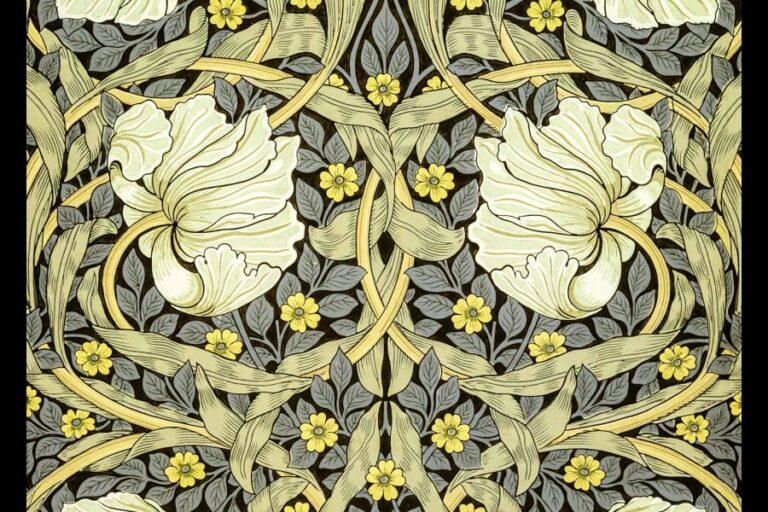
Love it or hate it, wallpaper has been the principal alternative to paint since its introduction in the 16th century. The earliest wallpaper involved scenes and motifs copied from tapestries, embroidery and other
1-768x512.jpg)
Paint of the 18th and 19th centuries was a different critter than its modern equivalent. And paint colours were not the muted conservative tones that many folks associate with historic homes. To begin at the
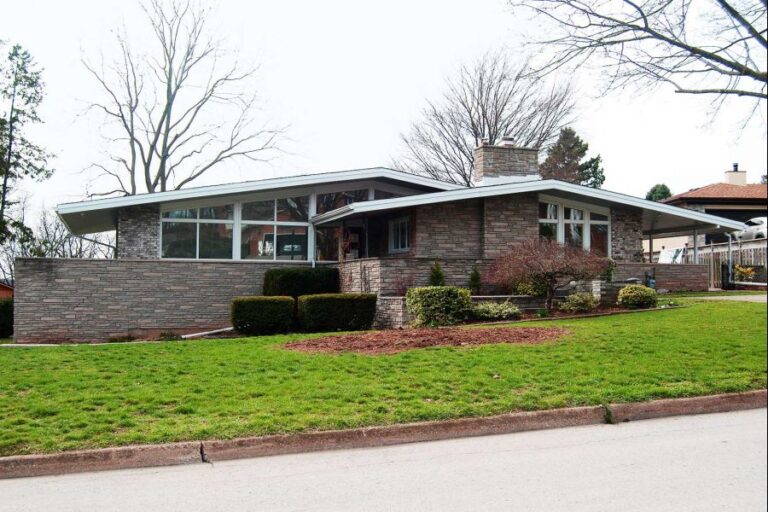
Liveability is a word I use a great deal when speaking to residential design. In fact, I am fairly confident that the clients who enlist my consulting services may grow tired of
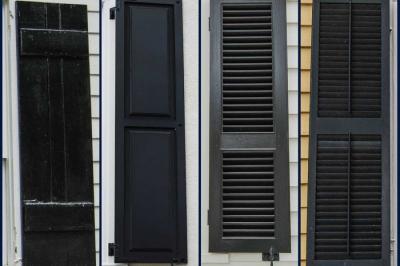
If you were able to walk down many streets of an 18th- or early 19th-century English town or city, one of the things which could strike your 21st-century sensibilities as odd might be
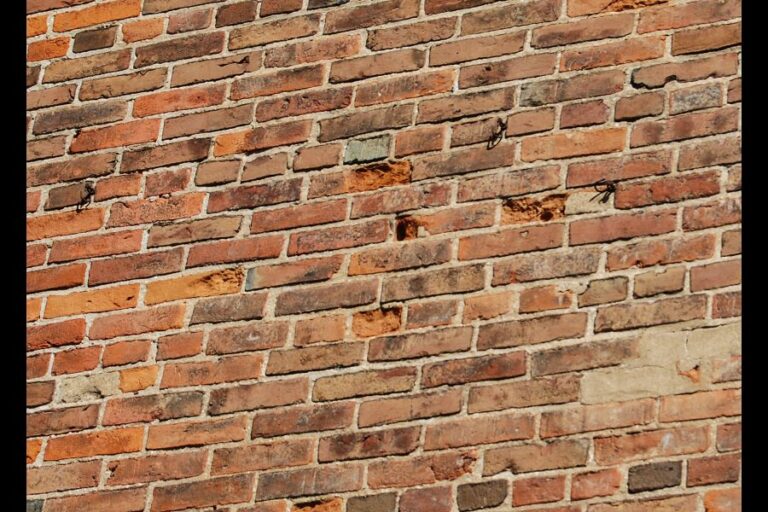
Last week we looked at one of the types of perhaps well-intentioned, but definitely uninformed alterations that result in damage to historic masonry. Continuing in that vein, and much more common during the
-768x512.jpg)
Was your old house built before 1900? If so, it’s almost certain that the basement foundation was constructed with lime mortar; a completely different critter than today’s Portland mortars. The master mason working on
_copy-768x512.jpg)
When I first began studying Niagara’s architecture in preparation for writing the “Heirloom Guide to Architectural House Styles” (online: www.heirloomhomeguide.ca), I was struck by the number of historic houses and buildings that had

You see them sprinkled across Niagara-on-the-Lake and, indeed, across Ontario. Some are one storey, others a storey and a half. There are those with hip roofs, with end gable roofs and with a gable
-768x512.jpg)
Over the past few weeks, we have visited a number of homes here in Niagara-on-the-Lake that escaped the American torch in 1814. In doing so, my mind has a tendency to consider what our

As I mentioned in last week’s column, Peter Secord, apparently despairing of ever receiving a grant, left Niagara in 1793. However, his absence did not halt the glacially slow wheels of government from proceeding onward

When the first Loyalists mustered out of militia regiments like Butler’s Rangers in late 1779 and early 1780, the Crown had not developed any plan for their resettlement. While it was generally accepted

In the 18th century, even the most successful craftsman could not become a wealthy man from his trade; certainly comfortable, but never in a position to leave a legacy to their children. And
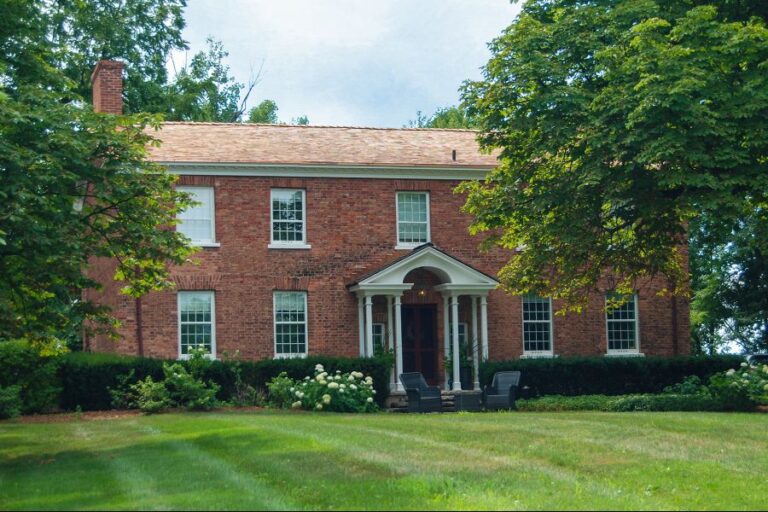
No war has commenced with a neat line that divided people on one side or the other. In fact, history shows that usually there is a hard-core group at either extreme while the
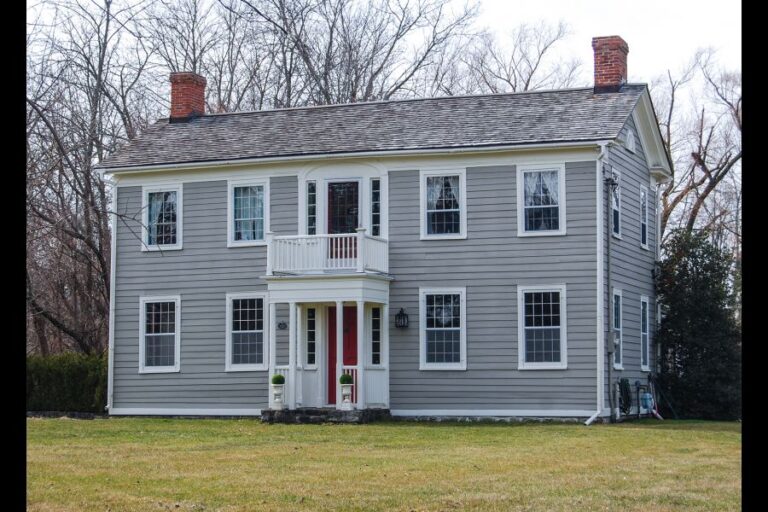
The occupation of Niagara by the Americans during the War of 1812 irrevocably altered the built landscape. Destruction of homes and commercial buildings, particularly during the final months of that war, was an



© All Rights Reserved, Niagara Now.