


While walking our dog early Sunday morning a Kubota utility vehicle emerged from between the rows in the vineyard across the road. My neighbours, father and son, pulled up to chat.
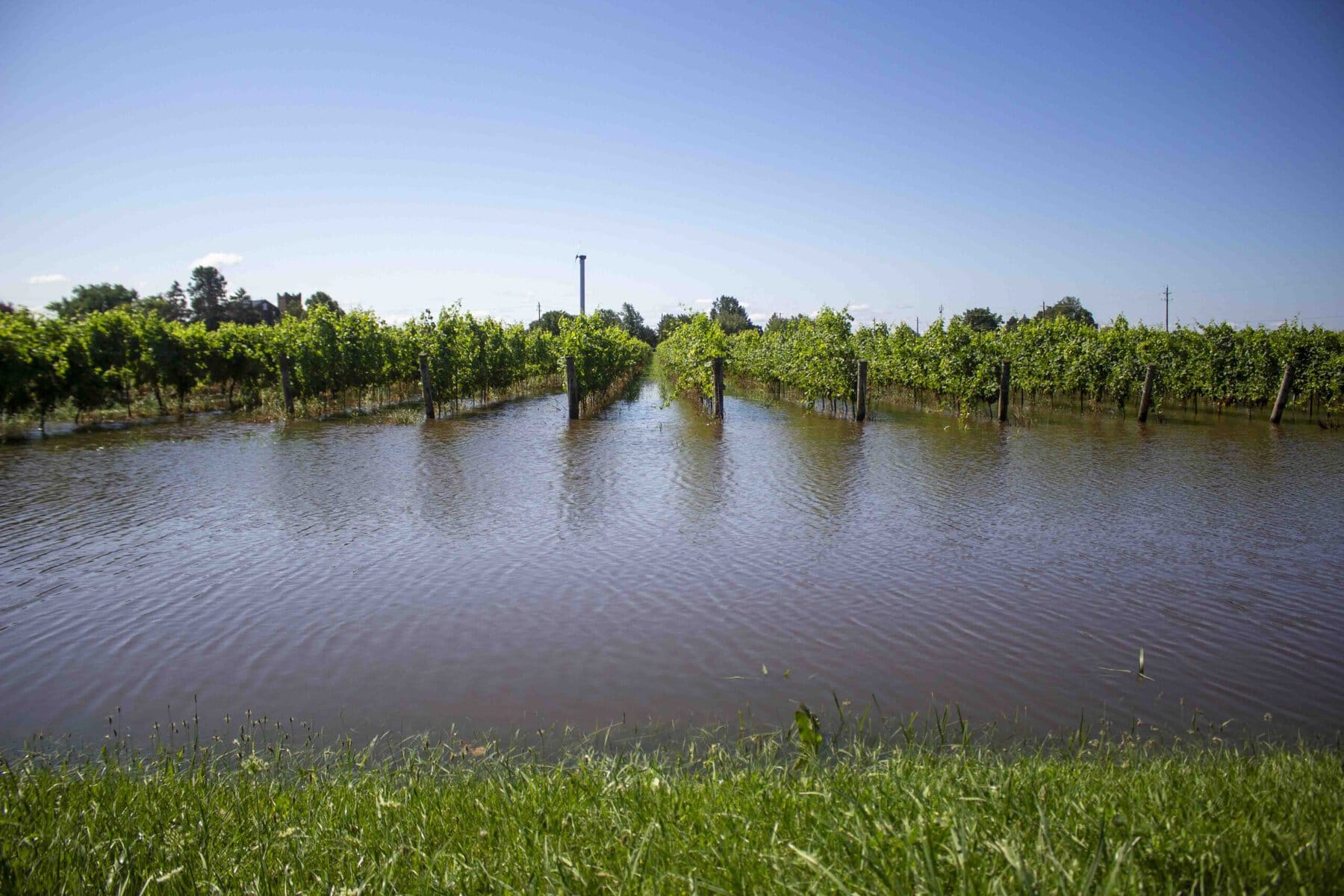
We exchanged greetings and, as might be expected given we had received another two inches (51 millimeters) of rain overnight, the conversation turned to the weather and how their crop was coping.
Unfortunately, mildew has started appearing in some of their blocks as a result of the extreme rainfall events on July 28 and Aug. 2; something that can only be addressed by their spraying program and praying that the weather improves over the weeks between now and harvest.
That said, he reflected that his vineyards did not suffer the dangerous flooding that some others experienced which, in some cases, saw the roots of grape vines submerged in standing water for up to two weeks — a situation that will likely permanently damage or kill the vines.
These flooding issues extend to our tender fruit growers as well; some seeing their plum, pear and peach trees turning yellow, or suffering tree loss due to uprooting.
This is not something that is a short-term issue. If a vineyard is forced to replant a block or blocks, aside from the substantial cost, it will take between four to five years before the plants will produce meaningful and dependable commercial production yields.
In the case of tender fruit, even if the impacted trees survive, experts suggest that it will require up to seven years before they return to full production.
Is it any wonder that our neighbours commercially growing grape and tender fruit are calling on the province to bolster the vine and tree mortality crop insurance to help address emergency losses and support replanting efforts? (“NOTL crop growers await action after province tours flooded farms,” Aug. 20, The Lake Report.)
And further, amongst other items, undertake a joint federal/provincial AgriRecovery initiative to assess and subsequently design joint financial initiatives that would help these growers recover from this natural disaster.
We visited some of the town’s stormwater infrastructure issues in previous Arch-i-text columns (“Addressing stormwater infrastructure issues,” Aug. 6, “More thoughts on stormwater management,” Aug. 13), however, cleaning up those problems is only a part (albeit very important) of planning for the inevitable occurrence of future storm events.
Let’s take a moment to wrap our arms around a couple of other considerations.
A medium-sized maple tree with a trunk diameter of 60 inches (152 centimeters) takes up approximately 86 gallons of water from the soil every day.
A similarly sized oak tree may lift up to 100 gallons per day, a black walnut about 50 to 60 gallons, a sycamore about the same as a maple at 86 gallons, a white pine in the 90 to 100 gallon range while a hickory can suck up roughly 125 gallons.
So, every single tree acts as a natural address toward managing a healthy water saturation level in the soil and will help to mitigate the aftermath of extreme rain events.
According to the region’s Feb. 7, 2024 “Tree and Forest Canopy Project” report, Niagara-on-the-Lake has the lowest level of tree canopy (including tender fruit trees) in Niagara at about 18 per cent — well below the region’s minimum target of 30 per cent.
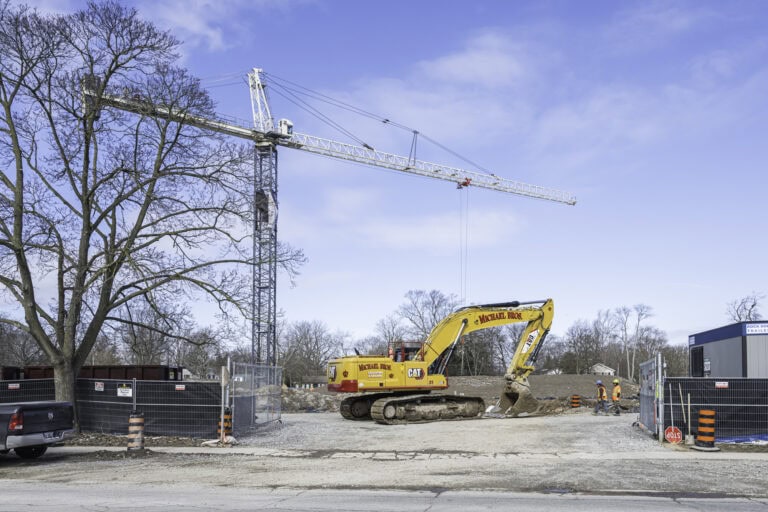
Yet, we continue to allow developers and others (in the case of Mississagua Street, the town itself) to cut down these vitally important water sinks.
To put this in perspective, early in 2025, a developer was green-lit to clear-cut 800 pine trees in Virgil. Each of these trees had a diameter of approximately 30 inches (76 centimeters) and a water uptake of about 43 gallons per day; equating to daily water consumption of 34,400 gallons for the entire stand.
Now that the trees are no longer there, the soil becomes super saturated (unable to absorb more water) in turn forcing any additional rainfall to flow overland and into lower lying basins, streams and fields — directly adding to flooding.
Then we must consider another factor: permeable versus impermeable surfaces.
In short, a permeable surface is one that allows rainwater to pass through and into the soil while an impermeable surface is just the opposite — a solid, non-porous surface that completely blocks rainwater from soaking into the ground.
Impermeable surfaces would include concrete or asphalt pavement, roads, driveways, sidewalks, paved front/rear patios, building roofs and etcetera.
It is estimated that in a modern Ontario townhouse development, approximately 60 to 75 per cent of the surfaces are impermeable. In other words, the water can’t go down, so it has to run across.
Typically, the storm sewer system is expected to handle this flow with properly planned retention/detention ponds and drainage infrastructure — however, as was previously pointed out, NOTL’s infrastructure is sorely impaired.
Perhaps a fundamental rethink is required.
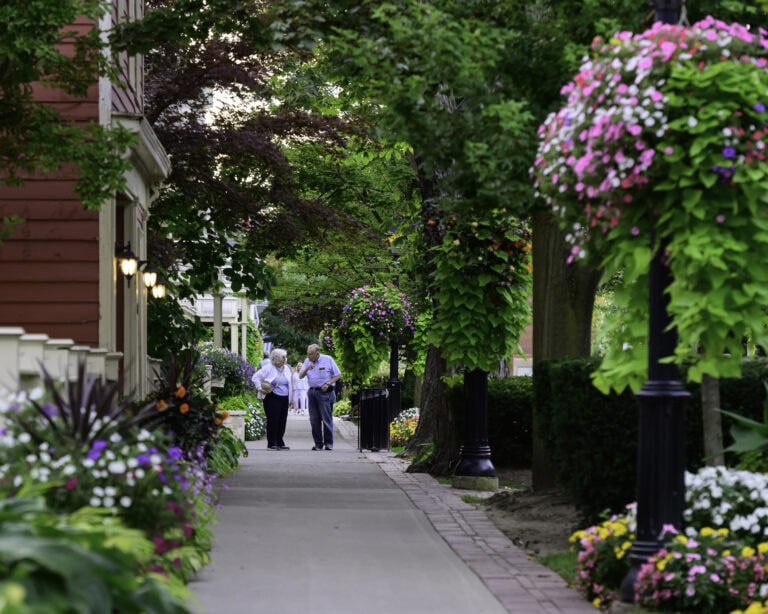
Plant more trees and declare an actual moratorium on cutting down healthy mature trees.
In new developments, require that the roads, sidewalks, parking lots and patios be constructed of permeable surfaces rather than concrete or asphalt.
And enforce, without exception, the current lot coverage and setback bylaws to minimize roof coverage.
We have to do more than put a Band-Aid on a broken system — otherwise, flooding will become the new norm.
Brian Marshall is a NOTL realtor, author and expert consultant on design, restoration and heritage.