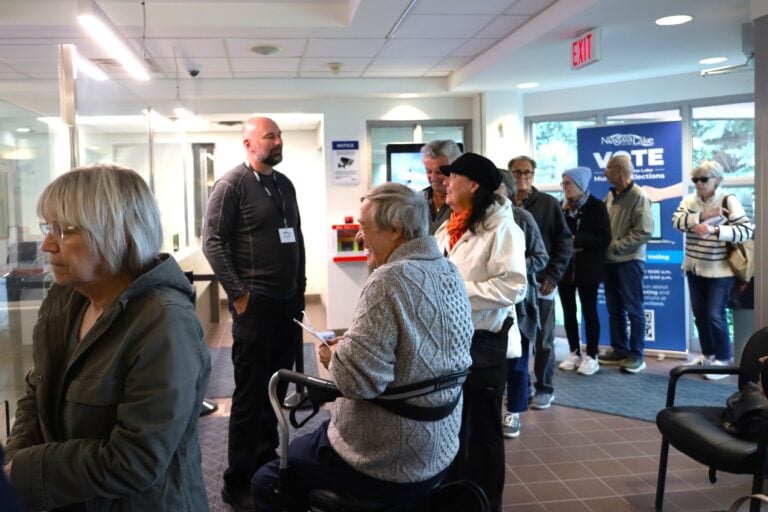

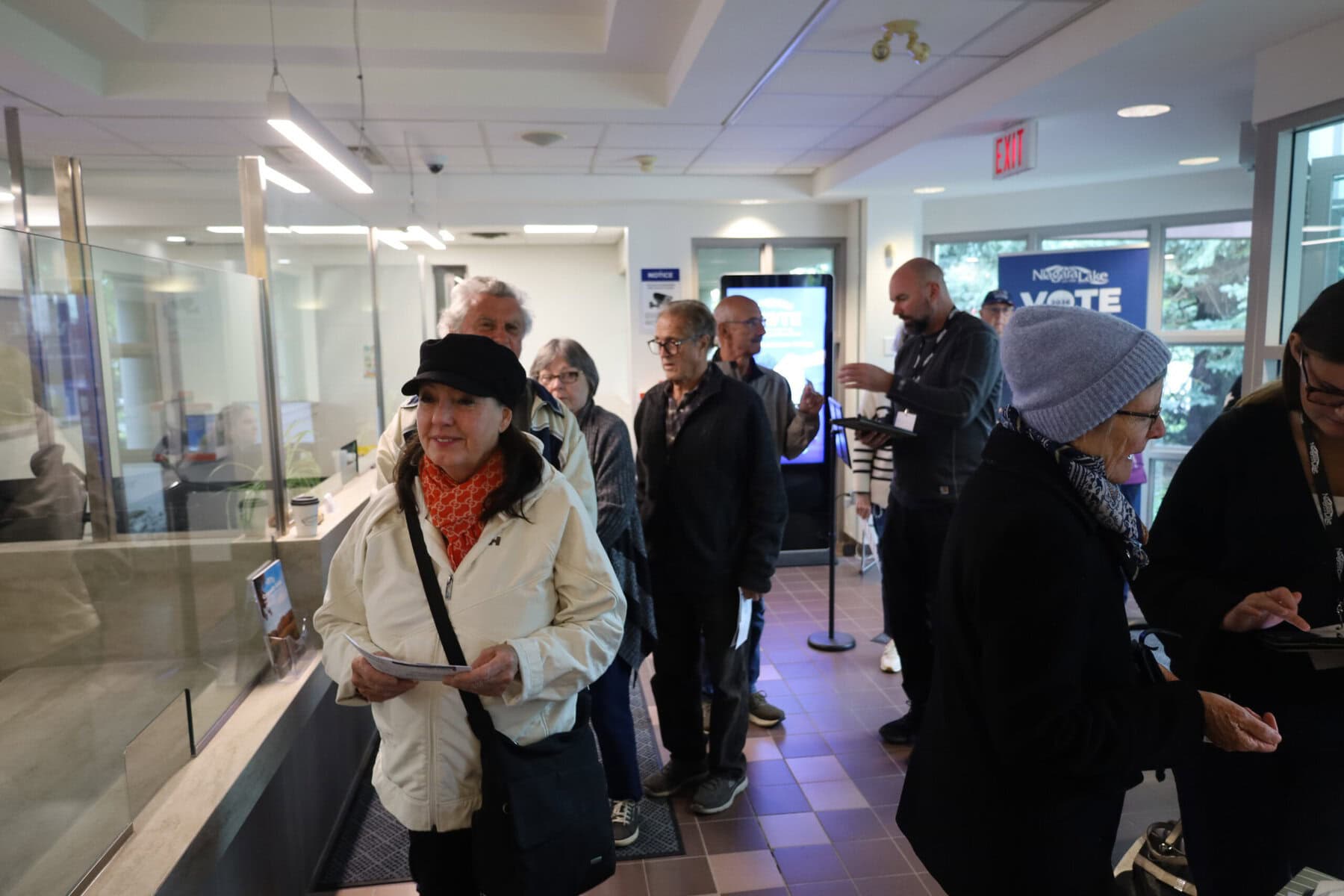


Voting is a right, responsibility and privilege conferred upon all citizens of a democracy.
Sadly, far too many of us choose to opt out of visiting the polling box and exercising our hard-won voting franchise by voicing excuses like: “How can my single vote matter?” or, “How can I trust the candidates to actually fulfil their promises?” or, “I’m simply too busy to take the time to stand in a long voting line.”
So, allow me to address these objections.
How can your “single vote” matter?
Political parties have long understood the importance of making sure every vote is counted when significant bills are brought before the legislature — so much so, they appoint a “party whip” one of whose primary responsibilities is to ensure members of the legislature attend and vote in accordance with the party line.
In terms of a general election, you don’t have to look far to find examples where a very small number of individual votes made a decisive difference.
Consider the federal riding of Windsor—Tecumseh—Lakeshore in Ontario which was won during the 2025 federal election by a mere four votes. Or, the Ontario provincial riding of Mississauga-Erin Mills with a population of just over 120,000 voters that was won by a meagre 0.02 per cent of ballots cast (only 23 votes) in 2025.
Similarly, “special” interest groups have been able to galvanize votes — where every vote matters.
The “every vote counts” overture by the Working Families Coalition has been widely credited with securing the election for the McGuinty Liberal elections in 2003, 2007 and 2011.
Historically, amongst other examples, the 1893 alliance between the Patrons of Industry (odd name for an agricultural advocacy group) and the religious based Protestant Protective Association was able to galvanize enough voters to fundamentally alter the province’s established two-party electoral framework.
Does your single vote matter?
If history is any reliable indicator, you can bet the town’s future on it.
Now, addressing the issue of how you can trust the candidates to fulfil their promises after elected — the short answer: you cannot.
There is no modern democracy that actually allows citizens to participate directly in the voting process relative to legislation in a similar form to the original Grecian model or fully as in the participatory democracy of the Haudenosaunee (Iroquois) Confederacy.
In Canada, and in other currently existent “democracies,” we vest trust in elected representatives of the people to vote in accordance to the common opinion. And, if each elected representative were truly independent and voted according to the will of their constituents, this system would be just fine.
However, when political parties (or mutually aligned groups of politicians voting in support of special interests) gain ascendancy, then the voice of the citizens and true representative democracy is lost in the chambers of government.
Such is the state of affairs at every level of government in this country, hence it falls back on us, the citizens, to exercise every effort to choose representatives that are committed to ongoing public consultation, adhering to the direction of their constituents and steadfastly fulfilling the promises they made during the election.
For incumbents, that is a relatively easy — although time-consuming — process of comparing their promises to the way they placed their votes during time spent in government.
Back in June/July 2024, about halfway through the council’s four-year term, this columnist did just that (“Arch-i-text: Wiens, Cheropita and past campaign promises,” June 27, and “Arch-i-text: Parliament Oak hotel is a pie-in-the-sky idea,” July 4) and found several of the councillors woefully out of step with their election commitments to the voters.
For first-timers running for election, it’s a bit more challenging since they have no track record of accountability in office vis-à-vis past platforms. That said, one can examine their history of community engagement and contribution. Get answers to questions such as:
Have they consistently, over time, advocated for the good of the community and the rights of the residents?
Have the positions they put forward during this advocacy been logical, properly researched and well-thought-out?
Have they maintained the integrity of their arguments and been steadfast in their undertakings?
Bluntly, if you cannot find answers to these questions — amongst others you may raise — that demonstrate community activist efforts over time, then you could be right in wondering if you can vest trust in their promises.
As to the investment of time to actually vote, you can skip voting in person at the polling stations and do it online in minutes from the comfort of your own home. There is no excuse for not exercising your franchise.
Based on my personal research into all the candidates and having heard each one speak in the organized public forums, it’s my position that Niagara-on-the-Lake needs the financial acumen and focus of someone like McGuinness, the development/planning knowledge and fundamental integrity of someone like Colaneri, the experience and adherence to her promises of someone like O’Connor and the “elder statesman” representation of someone like Burroughs.
Moreover, we need a lord mayor who is demonstrably free from the spectre of influence by special interests, is prepared to chart a new course and has the proven leadership ability to forge a team that will actually put the residents first in all their decisions.
Who you and I vote for is a personal choice. That said, vote.
Brian Marshall is a NOTL realtor, author and expert consultant on design, restoration and heritage.