
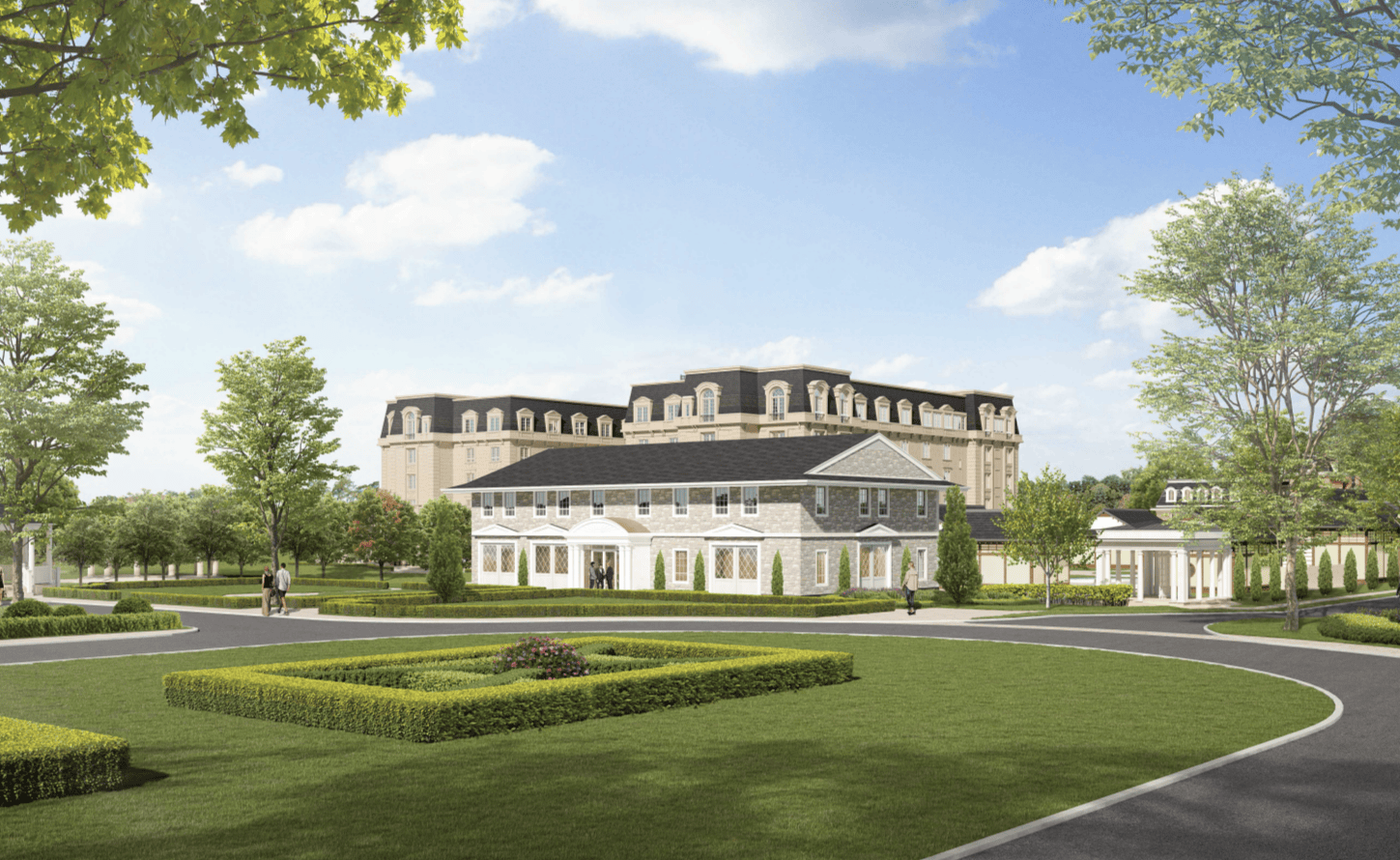


It seems that it is amateur hour in the corridors of Niagara on the Lake’s municipal offices. Without indulging in any wild-eyed speculation, how else can one explain some of the actions rolling out of the town’s planning department?
Consider the decision by planning staff to accept as “complete” the new application filed by Solmar (Niagara 2) Inc. and Two Sisters Resorts Corp. for the development of the Rand Estate property.
Let’s leave aside the fact that the application completely ignores many of the recommendations contained within the 2023 report authored by Denise Horne and accepted by this current council in April of that year.
And, we’ll shelve the issues that the environmental impact and traffic studies submitted with the application are based on data that was gathered four or more years ago and can no longer be considered valid.
Indeed, while we are at it, let’s toss aside the issues of flawed stormwater management assumptions — adding another 30 per cent to the flows in an area already adversely impacted by flooding — and, the seriously questionable proposed sewer system (which the taxpayers through the town will assume liability and responsibility for) that will, in the event of a malfunction, result in overflow sewage being be directed into the One Mile Creek tributary that runs through the adjoining neighbourhood(s).
Moreover, we’ll just kick to the curb this current council’s (and many NOTL residents) concerns with the proliferation of short term/Airbnb/etc. rentals that divert potential housing opportunities — in a provincial theatre which has proclaimed the lack of housing to be a “crisis” — directly into the hands of real estate investors, which this application certainly does.
And to be clear, in my opinion, this is an application for the development of a resort hotel with 111 rooms augmented by somewhere between 240 and 277 suites that can, should the individual owners elect, be seamlessly booked and rented through the hotel system.
Then we’ll forget that this application is not consistent with the provincial policy statement, the region’s official plan or the town’s official plan.
And, while I could go on, let’s concentrate on the fact the current application does not comply with or even, in some cases, completely ignores the decision and specified requirements therein, rendered by the Ontario Land Tribunal last year.
For clarity purposes, provisions and requirements included in a decision rendered by the tribunal are imbued with the full force of law. In other words, an Ontario Land Tribunal decision creates specific and defined legal parameters that shall and must be conformed to relative to the development of the specific subject property.
For example, the tribunal decision included the requirement for a tree preservation plan to inform any future development overtures — something apparently not undertaken or submitted with this application.
The tribunal specifically required that most of the culturally important Dunnington-Grubb designed landscape be preserved and restored, which the current application skirts around by suggesting some bits will be preserved and most simply relegated to the trash bin.
The same decision specifically denied the John Street panhandle route as a principal access to the development — again, another legal provision the current application ignores.
The list could continue but I think the situation is abundantly clear.
At the very least, this application should not have been deemed complete until it complied with the provisions of the tribunal’s decision.
Instead, it was given the go-ahead.
If council acts with integrity and moves in a fashion consistent with its previous actions relative to the Rand Estate, the planning department’s green light will inevitably lead to another costly undertaking before the Ontario Land Tribunal.
You see, a new application creates a completely new file. While this does not void or retroactively change the tribunal’s ruling on the original property, an application that is “substantially different” from the prior application means that the entire municipal planning process is restarted from the beginning and the new application will be evaluated on how it conforms to current zoning bylaws, official plans and the provincial policy statement.
If the new application is approved by the municipality or granted through a new Ontario Land Tribunal appeal, the new approval simply supersedes the old tribunal decision moving forward. However, until a new, valid approval is granted, the original tribunal decision remains the definitive legal framework for what can be built on the site.
In other words, the new “complete” application provides the developer an opportunity to get rid of those nasty limitations imposed on the Rand Estate development in the tribunal’s 2025 decision.
In short, it gives him a chance to get precisely what he wants — within the few short months left in the term of the current sitting council.
But perhaps that is what the current powers that be in our wee town’s municipal offices want?
Because the level of incompetence displayed by the planning department, in this case, is almost too overwhelming to be believed.
Brian Marshall is a NOTL realtor, author and expert consultant on architectural design, restoration and heritage.