

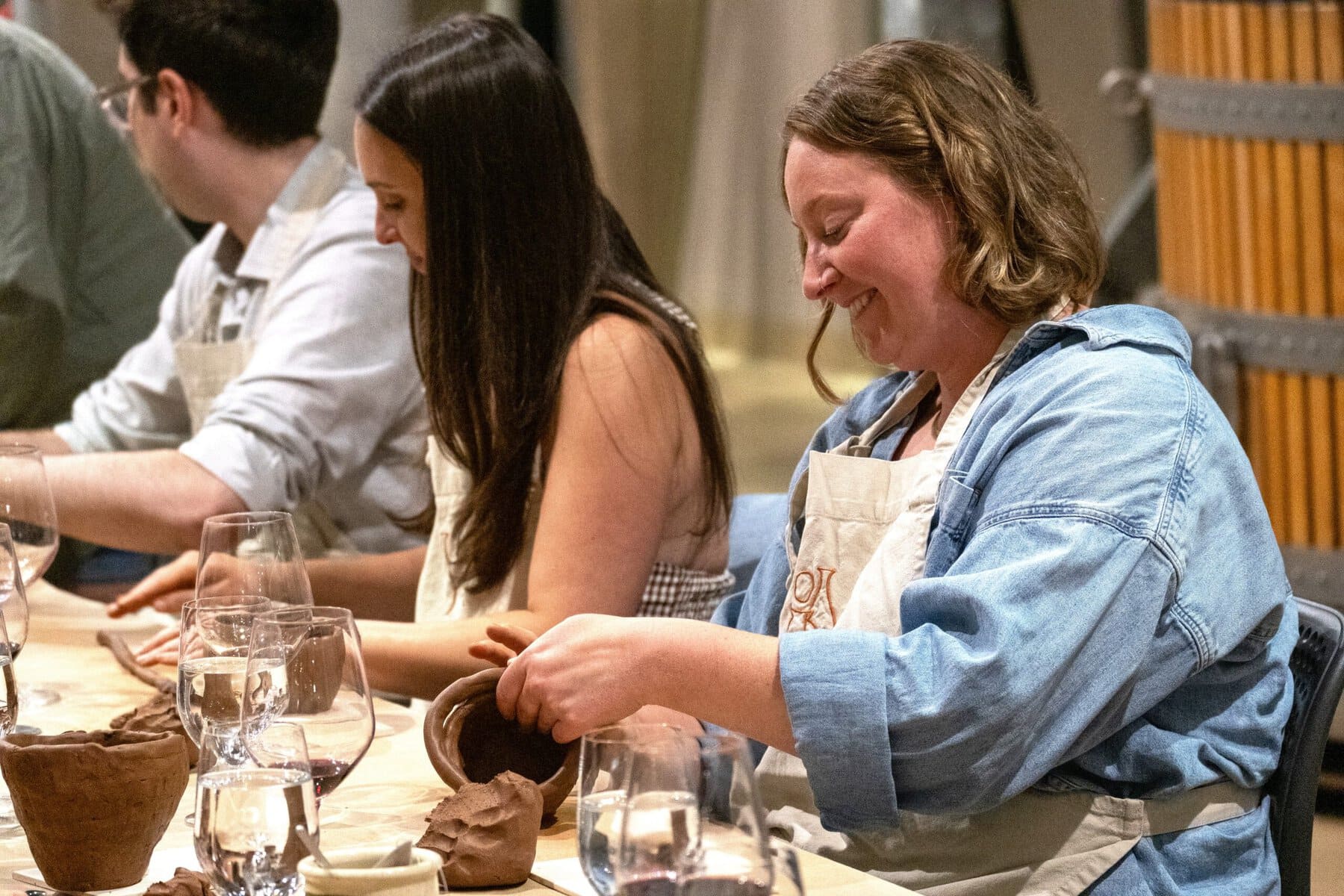


Smiles and laughter light up their faces and brows are furrowed in concentration. Thirty guests sit at a long table in the Stratus Vineyards barrel cellar.
It is set with wine glasses, clay and pottery tools. The afternoon of wine-tasting and pottery on June 14 was a celebration of clay and craft.
Guests got their hands dirty with clay under the tutelage of local potter Valérie Bélisle. They made their own miniature amphoras, in the shadow of Stratus’ own wine filled vessels, while tasting select wines.
It was a sold-out event, so the winery is offering it again, on Sunday, Aug. 16.
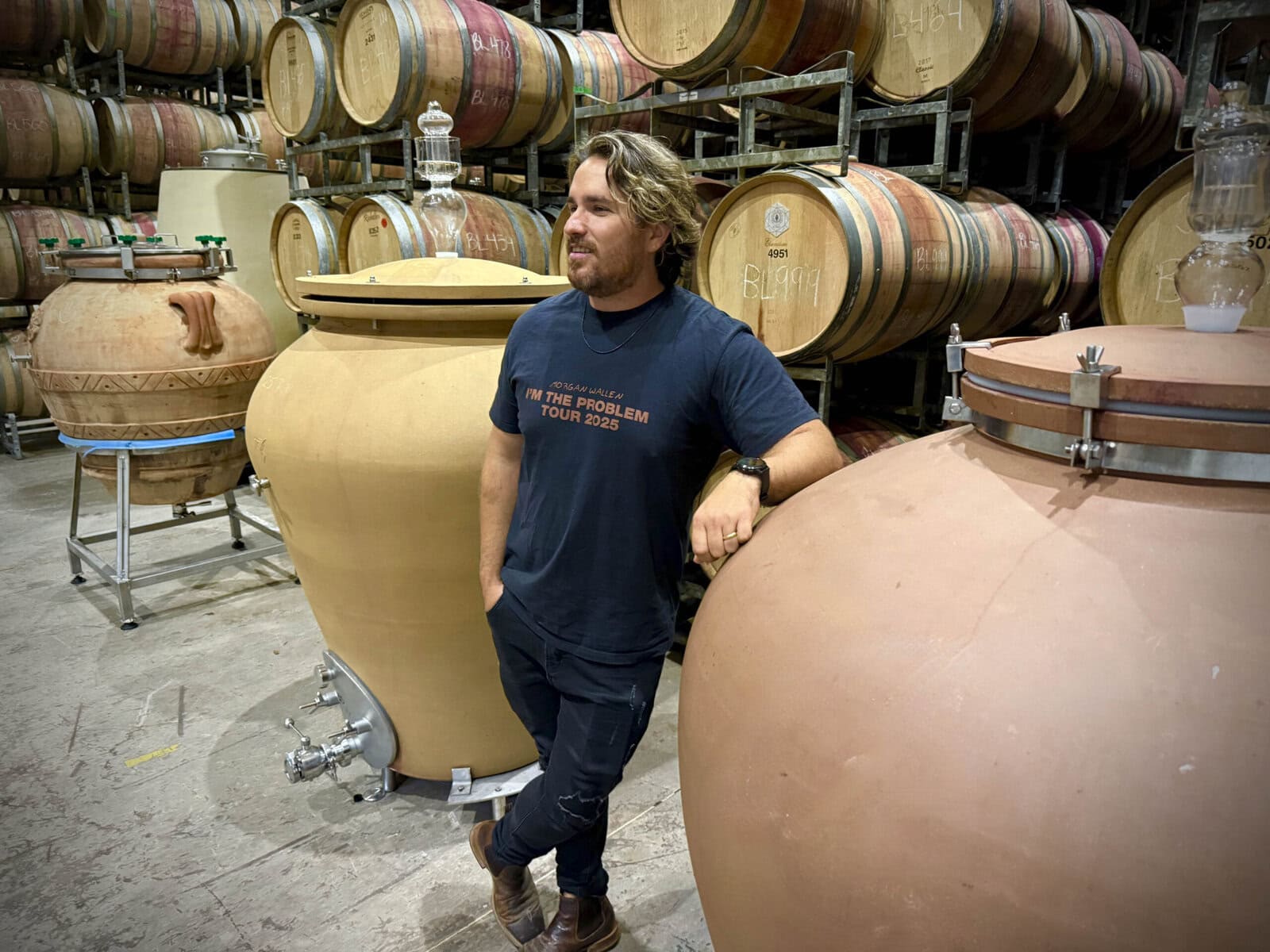
Stratus winemaker Dean Stoyka has been bringing more and more amphoras into the winery as an alternative to oak barrels and stainless steel tanks. Now, the winery has nine amphoras — soon to be 11.
“They’re made with different materials, different baking temperatures and coming from different regions of the world because it gives us more complexity, more options in the winemaking,” explains Stoyka.
“I like what it does to the wine,” he adds. “I like being able to find the purity in the wines coming from amphoras, with nothing getting in the way. Oak is a fun thing to make wine in, but it can be frustrating when you have what you think you had in a wine, then the oak masks it or overpowers it.”
Amphoras long pre-date the use of oak barrels. Georgia is considered the first to use clay pots, called qvevri, to age their wine, going back 8,000 years.
Wooden barrels became the vessel of choice later in the Roman Empire, because they were more practical. They didn’t break during transport, and they were easy to fix. Wooden barrels have dominated in winemaking for centuries.
Now, amphoras are having a moment.
“They’re really catching on like wildfire,” says Stoyka, adding, “There’s a lot of real innovation and focus these days on that style of winemaking.”
Amphoras don’t impart flavours to wine, so the flavours from the grapes and the soil can shine. They allow more oxygen in than oak barrels — as much as three times more.
Winemakers can play with how much oxidation, depending on how porous a given amphora is.
“Amphoras can be more or less porous depending on different baking temperatures and different materials. That allows you to do so much,” says Stoyka.
For instance, he says, for tighter, more restrained aromatics, you can use a tighter amphora. If you want more oxidation and more openness to the wine, you can use an amphora that is more porous, made at a cooler baking temperature.
“It shows an open, very beautiful, exciting version of Chardonnay,” he says.
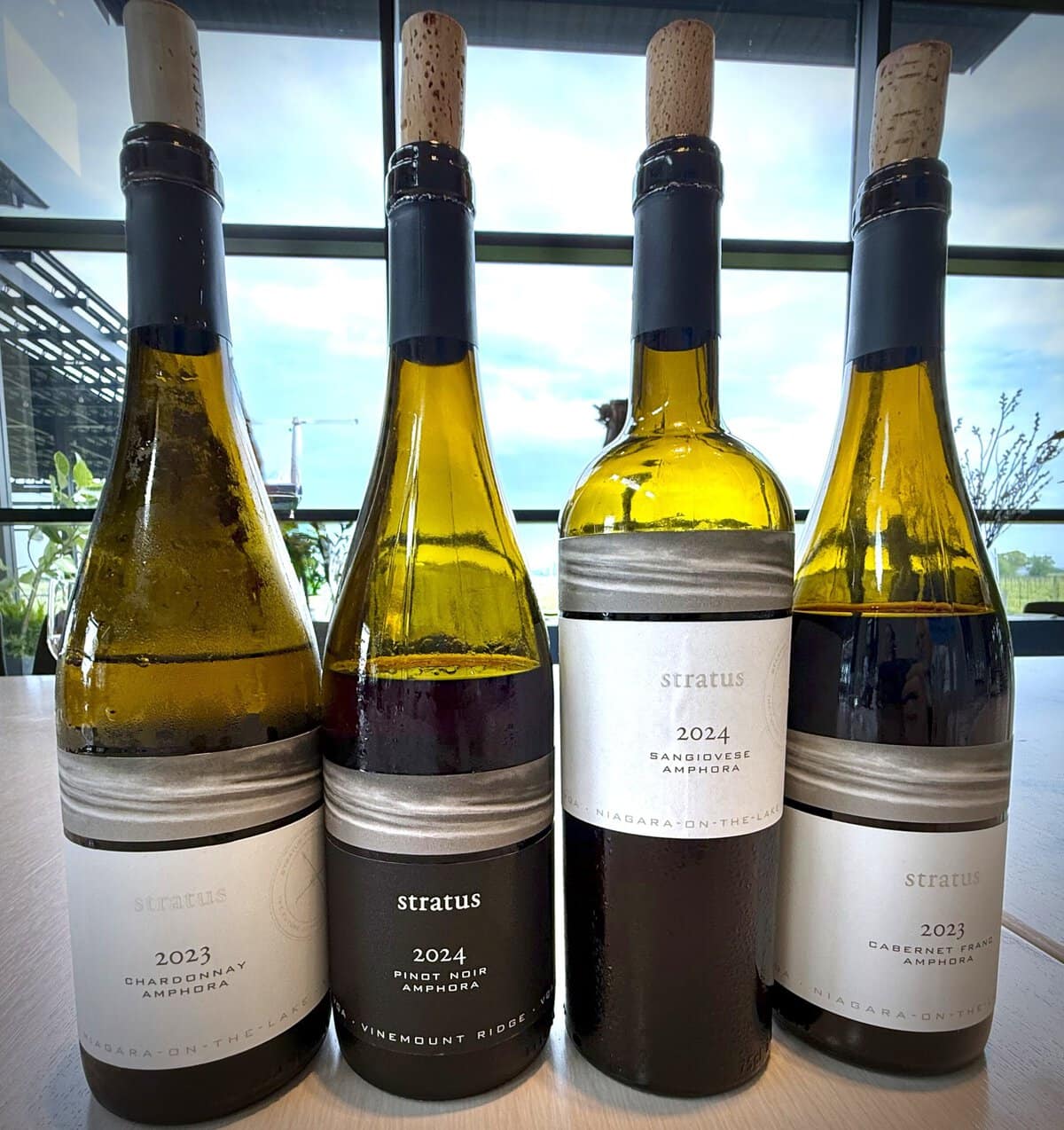
Stoyka has made four wines using amphoras only, but he says amphoras and oak can be “synergistic.”
“You can blend them together, you can keep them separate. Maybe you would have a blend of some new oak or some older oak plus some amphora, so you can really dial in the flavor profile that you’re striving for,” he muses.
“It’s fun when you have these vines going back to 1985. We have 16 varieties, and then all these different vessels. You have a lot of options to do so much experimentation and learn new stuff,” he says with enthusiasm.
The 2024 Stratus Sangiovese Amphora is still available. The amphora Chardonnay, Pinot Noir and Cabernet Franc sold out quickly after release. The good news is, all three have been produced again, so you can look for them next year.