


GIANT LOVE with author Julie Gilbert
*** (out of five)
Artists’ Village. A Shaw Festival “Women in Theatre” event.
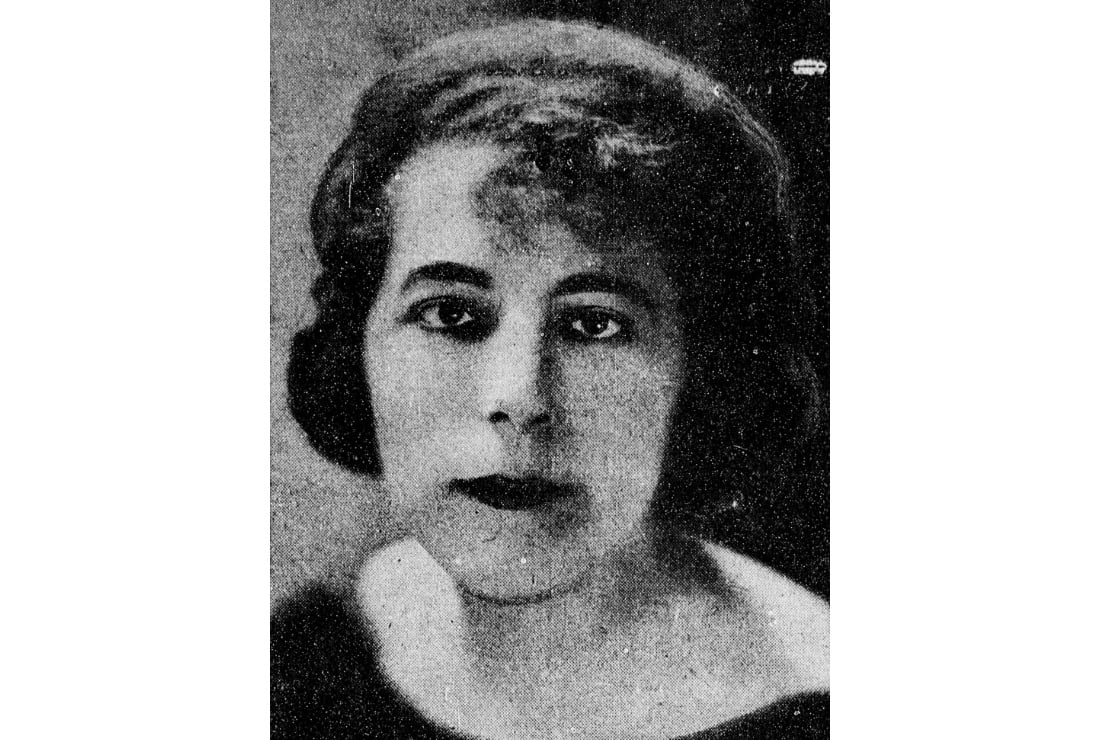
Edna Ferber (1885-1968), the author of “Giant,” was a short 5’1″ but in talent, storytelling, discipline and charisma, she was a giant star in the glittering galaxy of the theatrical and literary world of New York City and of America.
She was a founding member of the Algonquin Round Table. Her novels and short stories appeared on bestselling lists. Her plays on Broadway and the Hollywood films adapted from her stories kept her in a dazzling firmament of success for decades. She graced a U.S. stamp in 2002.
Ferber’s “So Big,” published in 1924, sold 300,000 copies in a flash, won the Pulitzer Prize in 1925 and was filmed three times. “Show Boat,” “Cimarron” and “Saratoga Trunk,” “Stage Door,” “Come and Get It” and “Ice Palace” starred major actors.
Ferber was in demand, a hard-working celebrity, famed for her opinions, her writing, dinner parties and friendships with Katherine Hepburn, Franklin and Eleanor Roosevelt, Noel Coward, Louis Bromfield and her Broadway collaborators, George S. Kaufman and Moss Hart.
Then, she disappeared, not read, seemingly forgotten, except for an amateur play performed somewhere or the films remembered by film buffs.
Edna Ferber is now having a comeback due to her biographer and great-niece, Julie Gilbert, author of “Edna Ferber and Her Circle.” Her new book “Giant Love” offers more insight into Ferber’s personal story, her writing of the epic novel “Giant” published to acclaim in 1952 and the making of the popular 1956 Hollywood film, “Giant.”
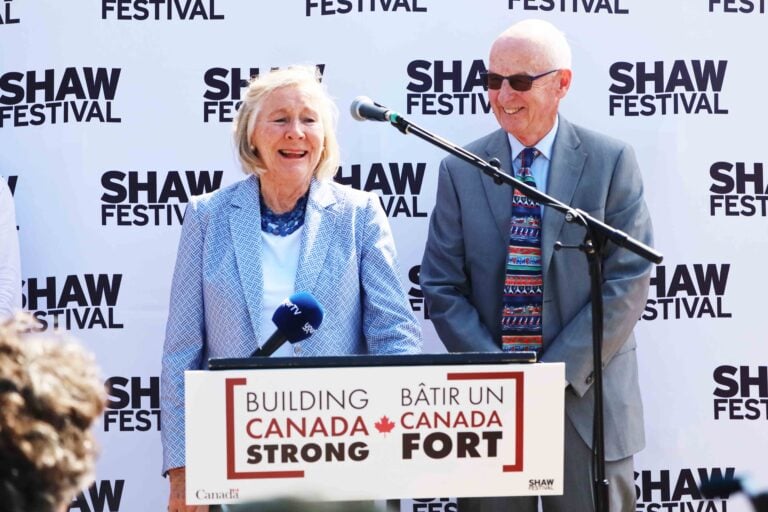
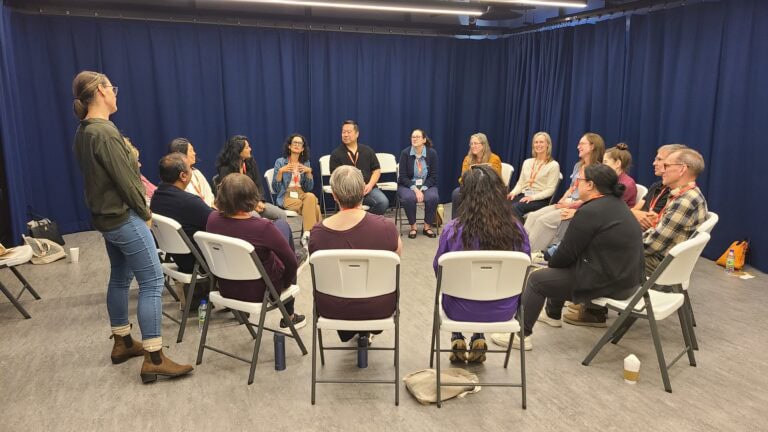
Gilbert recently appeared by Zoom from New York to Niagara-on-the-Lake’s Artists’ Village at the Shaw. She offered background stories of Ferber but held back her aces to entice us to discover more in “Giant Love.”
The respected Academy-Award-winning director George Stevens chose Marfa, a remote small town of 1,500 in west Texas, as “Giant”‘s location for the vast Reata Ranch of Bick Benedict. Today, it is more a pilgrimage destination for the structures and studio of the late American artist, Donald Judd, than for “Giant.”
Ferber had wanted Burt Lancaster and Robert Mitchum and perhaps Grace Kelly or Audrey Hepburn in the film’s lead roles. Stevens wanted young actors in their 20s who could age over the required decades of the story. He chose Rock Hudson, Elizabeth Taylor and James Dean. The rest is history.
Texans vilified the novel and its “outsider” author. Ferber researched her subjects thoroughly and her view of the larger-than-life Texas and Texans pulled no punches.
She saw Texas as too big, too virile, too ruthless, arrogant, blatant, self-complacent, violent. Yet, Texans could be friendly, well mannered, charming and full of vitality — if you were white.
It was too rich. The oil and gas “millionsmillionsmillions” contrasted sharply with the too-poor, under-paid Mexicans labouring in hot, flat, vegetable and cottonfields and living in squalid hovels with wives and mothers old at 25.
“Giant” was focusing on the conflicts between old money ranchers and new money oil barons, their racism, social pecking order and injustices. Texans loved the movie version.
What made Ferber’s stories resonate with the American public for so long? Her own story was one of overcoming adversity in Ottumwa, Iowa where she experienced virulent antisemitism from ages five to 12. It affected her outlook for the rest of her life.
The dry goods store of her Hungarian immigrant father and her German mother failed. They moved to Appelton, Wisconsin, a welcoming environment where Edna excelled socially and academically at her high school. She became a local cub reporter and then a journalist in Milwaukee, honing her observation and writing skills.
Her first book, “Dawn O’Hara,” was rescued from the wastebasket by her mother Julia, who sent it to a publisher and she was on the road to fame and New York in 1912.
Ferber’s stories explore multi-generations through change and conflicts within American families and society. She wrote of herself: “I can project myself into any age, environment, condition, situation, character or emotion that interests me deeply. I need never have experienced it, or seen it, or to my knowledge heard or read about it.” Her research was prodigious.
In “Showboat,” she wrote of three generations of theatre performers on a river boat travelling the Mississippi without seeing it.
In “Cimarron” she told the story of family hardship and the displacement of the Cherokees after the Oklahoma Land Rush of 1889.
In “Saratoga Trunk” she examined the condemnation of miscegenation in the romance between a Creole woman and a white gambler.
“Come and Get It” was about the lumber robber barons of Wisconsin. “Ice Palace” revealed the exploitation and strife between independent environmentalists and industrialists in pre-Statehood Alaska.
These were powerful stories about building the America she loved and championed.
She sought unusual locations where ordinary people built empires against the odds and where strong, smart women overcame gender, convention and adversity. She called out racism, misogyny and fraud. She chose big, wrote big and lived big.
A feminist, wealthy, fashionable, unmarried, childless, she chose a life she designed for herself. Her novels were protests and she lived as she wrote, standing up for herself and others.
Penny-Lynn Cookson is an arts and culture historian, writer and lecturer living in Niagara-on-the-Lake.