

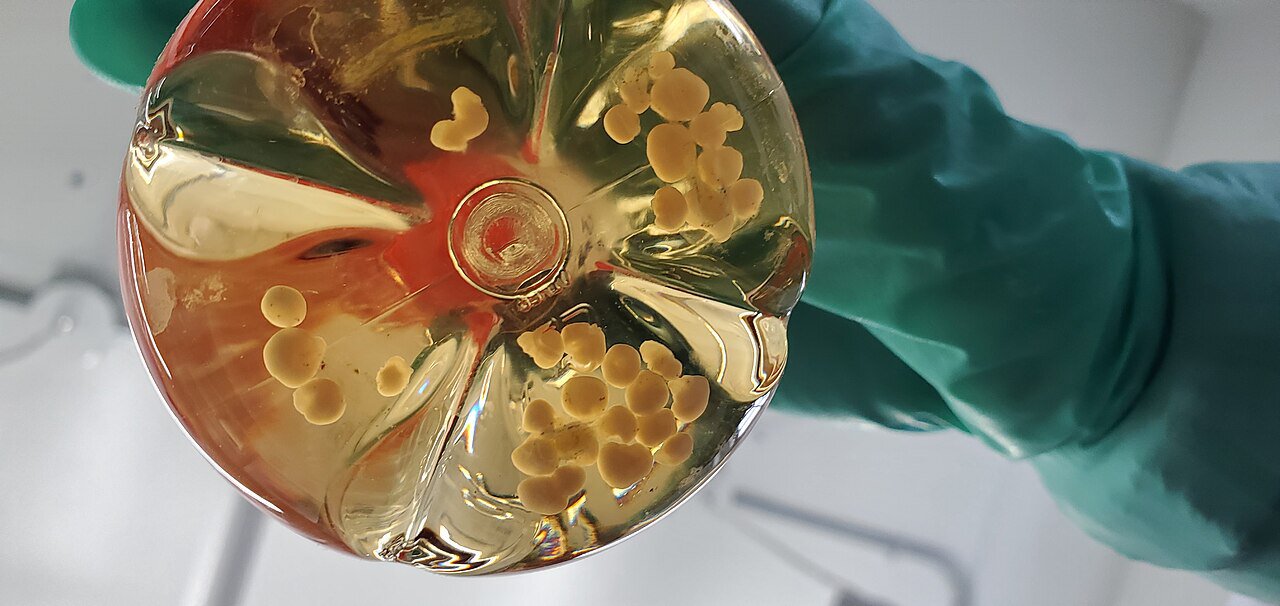


You may think quantum physics, mathematics and cosmology are challenging — if so, try creating a human brain.
One of the major breakthroughs in understanding the development of the brain in the last decade was to create miniature brains.
One key step was made by Shinya Yamanaka, who discovered that fully mature cells such as human fibroblasts could be reverse engineered in the presence of as few as four transcription factors into becoming independent pluripotent stem cells (iPS), which were similar to natural undifferentiated stem cells with the same genes. For this work, he was awarded a Nobel Prize in 2012.
Those pluripotent stem cells can then be redirected to become stem cells for the brain and more specifically, develop into mini versions of neocortex or other specified regions of the brain.
Mini-brains have limits, the most important of which is the fact they have no blood supply and therefore depend on diffusion of oxygen and nutrients to sustain them and get rid of cellular garbage. This limits their size to a few millimetres, as well as how far they can develop. However, some laboratories have found ways to keep mini-brains alive for several months, even a few years.
But however small they are, they replicate in amazing detail the earliest development of, for example, the six-layer cortex of human neocortex, typical of human embryos at equivalent stages of embryonic development.
This strongly suggests that the developmental sequence in mini-brains is very similar to natural development of the human brain and, importantly, much of that development at the genetic and molecular levels takes place at an early stage.
The brain begins with a single neural stem cell containing all the genetic information needed for the mature brain, which in its fully developed form, contains a hundred billion or so nerve cells together with trillions of connections linking them together and to the peripheral sensory, motor and autonomic nervous systems — themselves very complex.
The whole process is amazing. Development from stem cells to maturity is an exquisitely choreographed and timed sequence characterized by differentiation into several thousand different types of cells, each of which migrates to specific destinations, where they make selective connections with other specific cells. Most of the development takes place in the embryo and childhood, tapering off progressively in the second and third decades.
One early discovery made with mini-brains was to compare the development of neanderthal brains with those of modern humans. Studies revealed that a change in a single gene of several hundred that control brain development, differed between the two homo species, and substitution of the neanderthal version of that gene into a human mini-brains created a more simplified neocortex with fewer neurons compared to the normal human version.
Differences between mini-brains created from autistic subjects and schizophrenic subjects offer insights into how these disorders alter the architecture and function of the human brain and could serve as experimental models to develop and test new drugs that might be helpful managing these disorders without the need for human subjects in the early drug development phases.
Most of the research with mini-brains concentrated on the neocortex. Until recently, when scientists developed mini-brains specialized for other regions of the brain and then connected them together to create what they call assembloids.
To no one’s surprise, these assembloids from different regions of the brain readily make connections with and even talk to one another using the usual methods of electrical signaling and transmission in the brain.
Readers can see where this might go. If scientists are able to assemble a whole brain or even a large part of the brain as well as a sustaining blood supply, would they not have created something very close to a human brain but disconnected from any outside senses (vision, sound, smell and taste) and forever trapped unable to get about as humans do?
That’s a nightmare in the making, yet conceivable given the technological advances so far. Were scientists successful, the resulting brains would surely raise questions: are mini-brains conscious? Are they sentient?
It wasn’t so long ago that many were concerned about the potential power of gene editing to change human evolution. Similar concerns now surround the power of AI to disrupt human life. Brain organoids are in their early stages of development and well behind AI, although some scientists recently created hybrid systems by combining AI with arrays of human nerve cells.
Scary.
Dr. William Brown is a professor of neurology at McMaster University and co-founder of the InfoHealth series at the Niagara-on-the-Lake Public Library.