Dr. Brown: The domino effect that lets us predict Nobel Prize winners
“To look back over the history of Nobel prizes, especially in physics and chemistry, is to look back at the most important landmarks in those sciences,” writes Dr. William Brown.


“To look back over the history of Nobel prizes, especially in physics and chemistry, is to look back at the most important landmarks in those sciences,” writes Dr. William Brown.

“As Richard Feynman, one of America’s best theoretical physicists repeatedly pointed out, the most promising theory, if not supported by strong experimental evidence, is wrong,” writes Dr. William Brown.
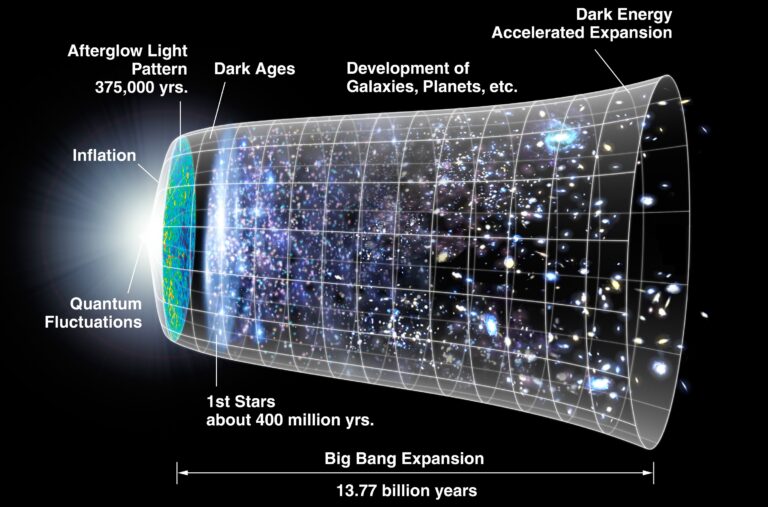
“Creation stories have been a feature of most human societies, and most have a beginning. So also with science although Isaac Newton’s universe had no beginning or end and was true for cosmology for the early 20th century,” writes Dr. William Brown.
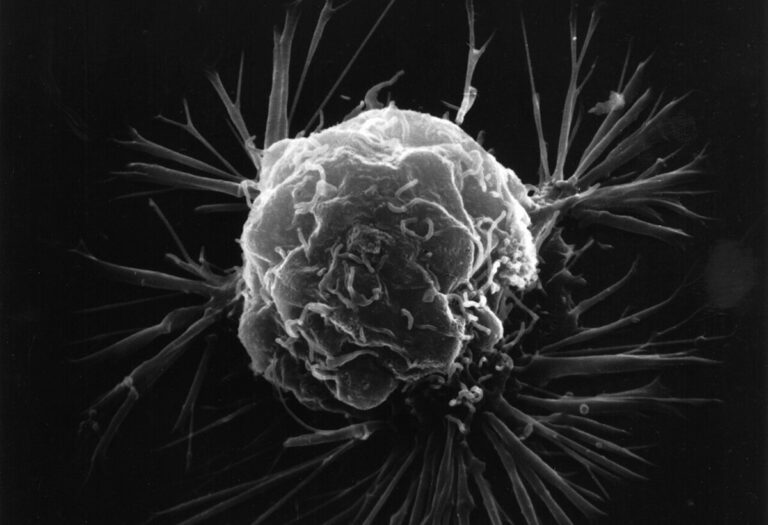
“As early as the 1990s, scientists speculated whether it might be possible to treat cancer using some version of immunotherapy — that is, why not create antibody and/or cellular immune therapies to target specific aberrant genes or proteins in cancer cells?” writes Dr. William Brown.

“One of the most important must-dos is to assess the space in which you live for risks of falling — getting in and out of bathtubs and showers, climbing and especially descending stairs,” writes Dr. William Brown.

“Thank goodness for prizes such as the Nobel Prize and now many other prizes which highlight the best of science — something urgently needed in these days of social media and ramped misinformation,” writes Dr. William Brown.

“The central villain in this climate tragedy is carbon dioxide generated by the burning of fossil fuels. Sophisticated climate models make that clear despite the claims of climate change deniers,” writes Dr. William Brown.
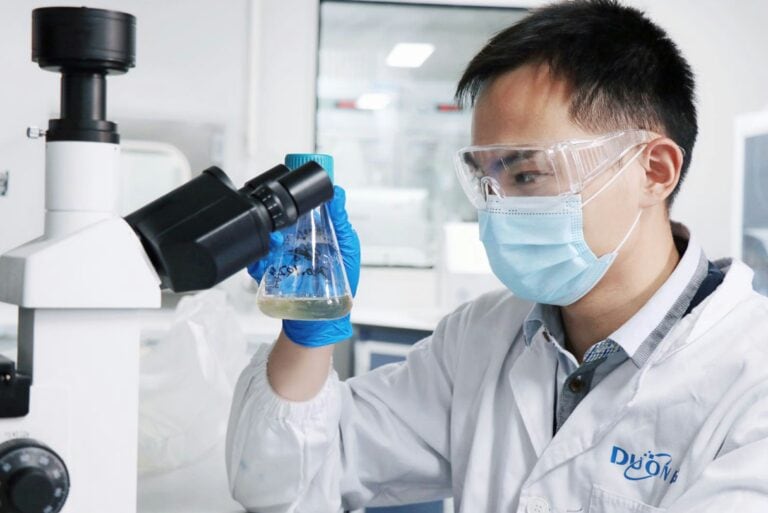
“Senior researchers sometimes have advantages,” writes Dr. William Brown, “However, those same laboratories can be stifling for budding young scientists who challenge traditional views and are open to fresh ideas.”

“It will take a long time for engineers to create a robot capable of playing a musical instrument … Just don’t expect a robot to play tennis anytime soon,” writes Dr. William Brown.
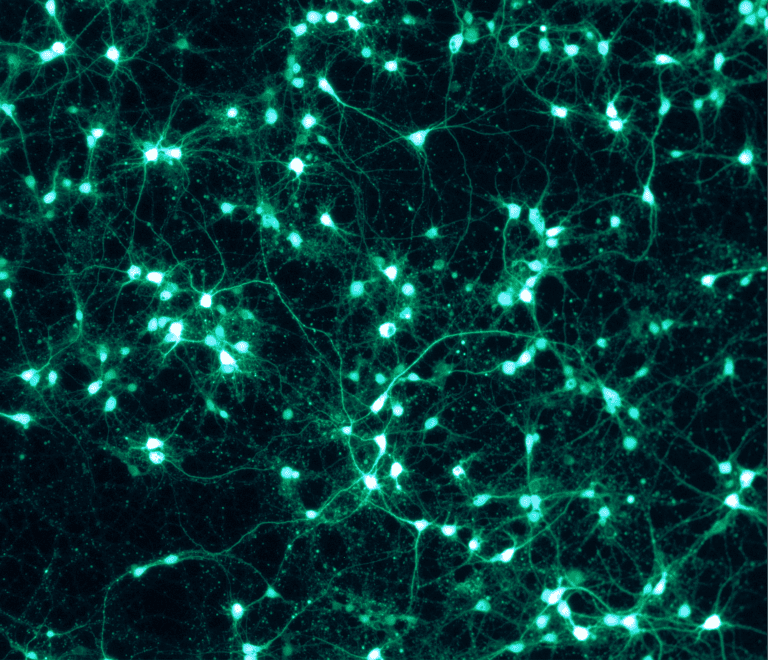
“Rejuvenating the brain might hold the line or possibly slow decline a bit, but not return our brain back to where it was when we were 20. That’s way beyond the science as it exists,” writes Dr. William Brown.

“In a nutshell, that’s what rejuvenation is all about: making old cells, old systems, old organs including our brains, young again. Or at least, that’s the hyped hope,” writes Dr. William Brown
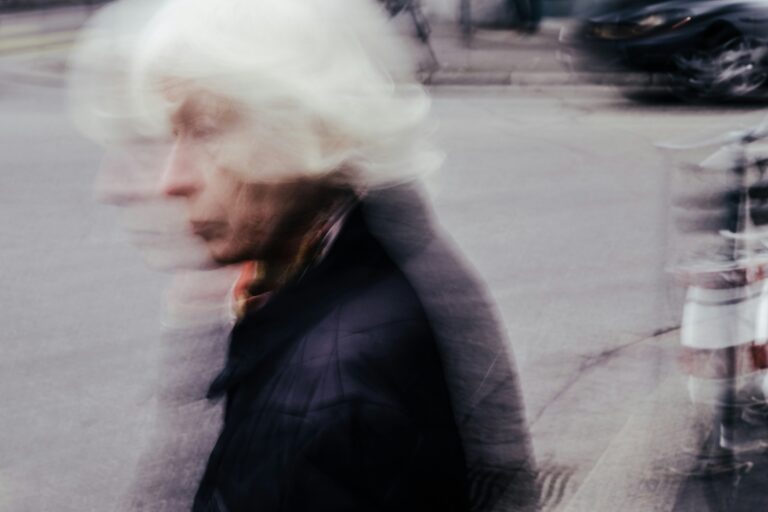
“Do some patients with mid-to-late-stage dementia have abnormal electrical activity in their brains that contributes to their cognitive decline?” writes Dr. William Brown.

“Performance in any sport depends on physical and neural fitness, acquired skills and stamina,” writes Dr. William Brown. “There’s also the factor of the cumulative effects of injuries affecting muscles and joints.”

“Why neanderthals went extinct isn’t clear, writes Dr. William Brown. “Were their numbers simply too small to survive bad seasons for plants and animals to hunt?”

“Sure, there are plenty of ‘things’ and ‘events’ to do, but they don’t fill the void of those linchpin people in our lives as we age, especially in the later decades,” writes Dr. William Brown.

“ChatGPT came out in late 2022 and look what’s happened since. Plot the curve for human intelligence and AI’s intelligence and the differences are obvious,” writes Dr. William Brown.

Mini-brains, writes Dr. William Brown, “replicate in amazing detail the earliest development of the six-layer cortex of human neocortex, typical of human embryos at equivalent stages of embryonic development.”

“Future conflicts are breeding now because of what happened in the past and continues in the present and will be bitterly remembered in the future,” writes Dr. William Brown.

“Politicians have a habit of hanging on long after their best-before dates, believing the country can’t get by without them. That’s a sign of cognitive impairment, not an encouragement,” writes Dr. William Brown.
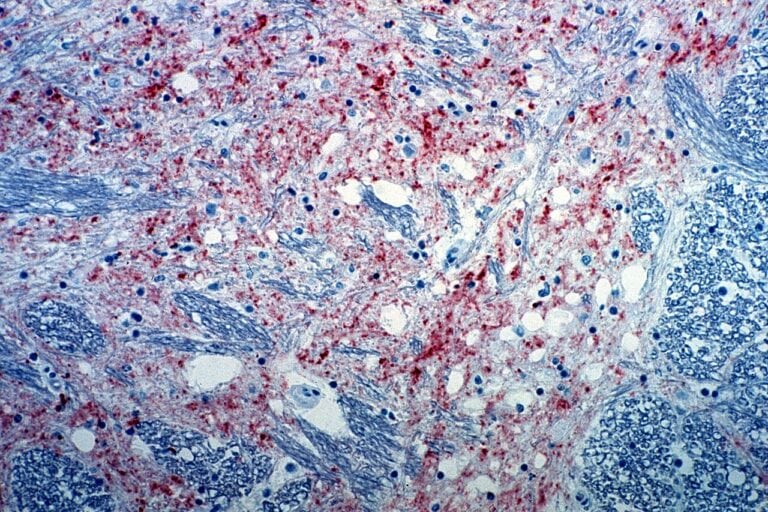
“Transmissible prion is extremely stable and very hard to destroy with chemical disinfectants or heat — far more so than for the case of viruses and bacteria,” writes Dr. William Brown.
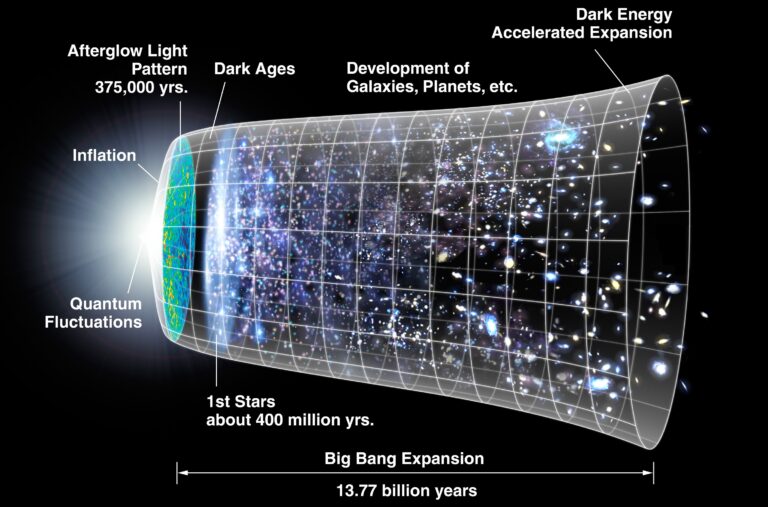
“An accelerating expansion of the universe without any obvious cosmic brakes … is a universe whose matter is so dispersed that stars can’t form, with the result that the universe eventually goes dark and cold with no place for life,” writes Dr. William Brown.

“For many, it’s AI’s uncanny ability to talk naturally and build relationships with its human users that’s perhaps the most unnerving part, but also for many users, AI’s allure,” writes Dr. William Brown.

“Bipedalism freed up the arms and especially the hands for other tasks such as tool-making, creating art and music, all of which was enabled and fostered by increasingly larger brains,” writes Dr. William Brown.
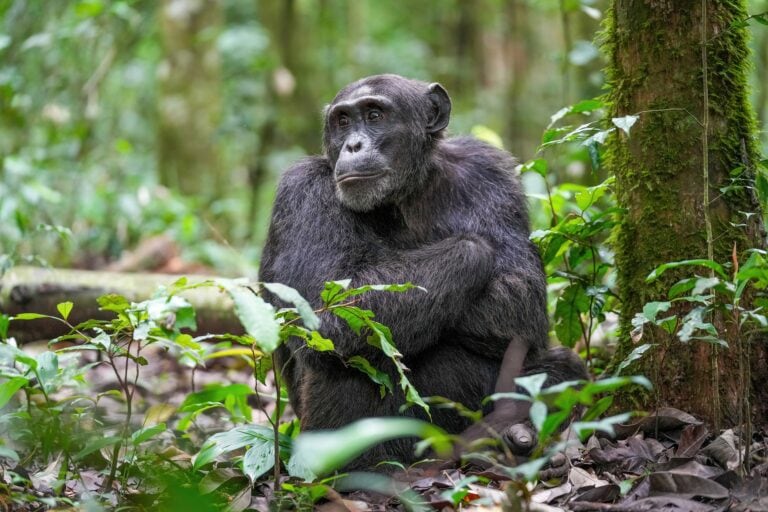
“Human society is like chimpanzee society — tribalistic and prone to violence. A list of conflicts from world wars to endless regional conflicts and violence within our own country makes the point,” writes Dr. William Brown.
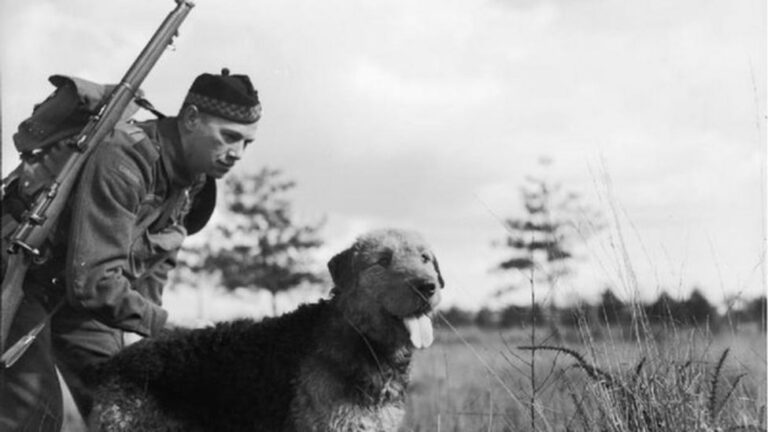
“No wonder some dogs hang out with other dogs and humans who might offer companionship, safety, warmth, food and water. Wouldn’t we in similar circumstances?” writes Dr. William Brown.

© All Rights Reserved, Niagara Now.