


Between July 27 and Aug. 3, between 250 and 275 millimetres of rain fell on Niagara-on-the-Lake during two separate weather events.
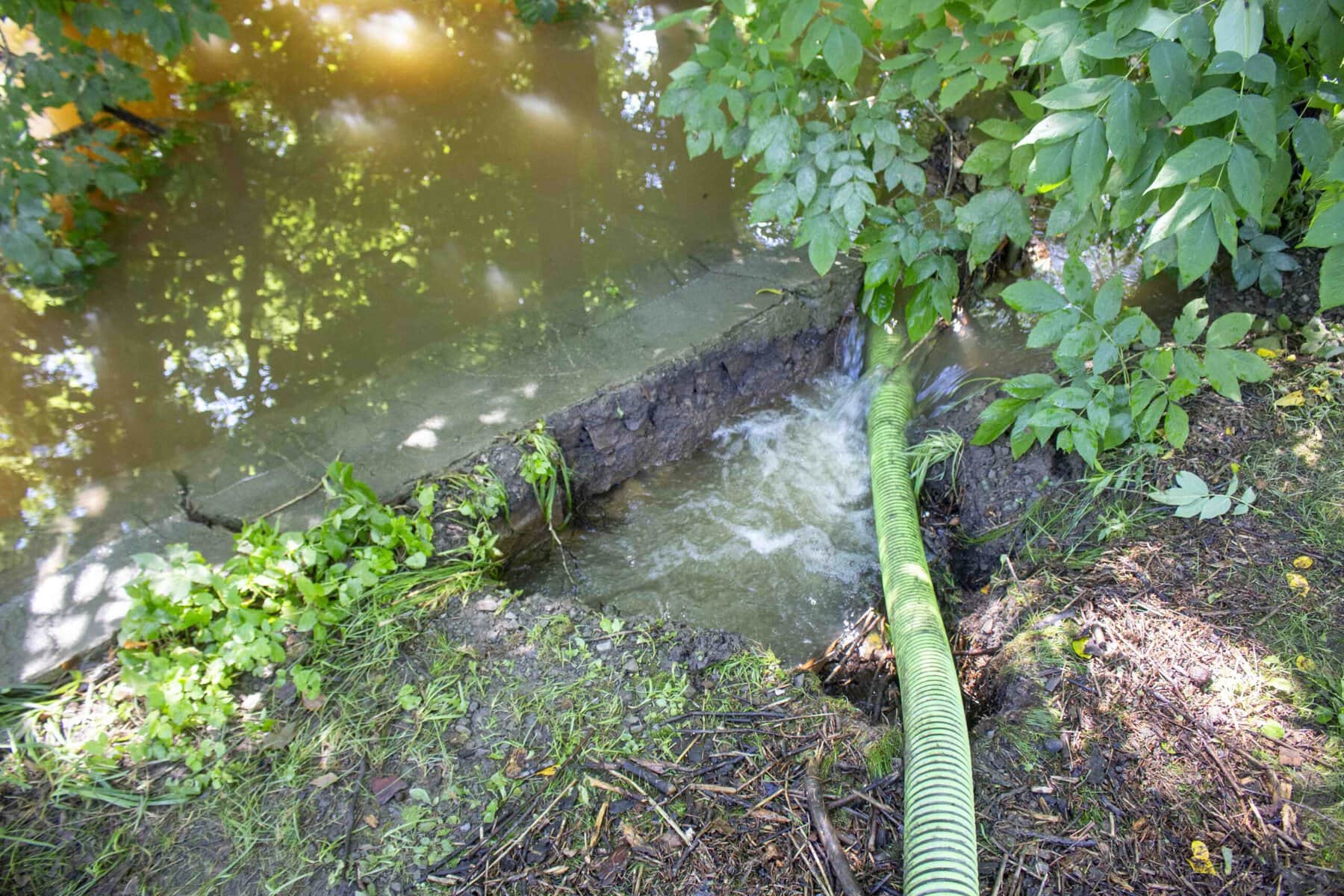
During the first storm, flooding of farms and rural properties was extensive, roads were submerged by ponding water and the basements of many urban houses were flooded.
No sooner had the ponding surface water begun to noticeably subside — although the ground itself was still supersaturated — and basements begun to dry out than we were hit by another “100-year storm event.”
The flooding happened again, overwhelming for a second time the town’s aging, inadequate and poorly maintained stormwater management infrastructure.
The state of NOTL’s infrastructure is not a new problem. For decades, the town has chronically underfunded the expansion and upkeep of that infrastructure.
Consider a 2021 report, OPS-21-012, by the town’s irrigation and drainage superintendent, Brett Ruck, in which he recommended hiring an engineering firm to “prepare a new engineer’s report for the Four Mile Creek municipal drain” and that the town move forward with “the extension and improvement of the Four Mile Creek municipal drain.”
Ruck observed that 16 new developments in the Four Mile Creek municipal drainage area were not encompassed by the 1996 engineer’s report that served as the town’s approval guidelines.
He pointed out, “Larger-scale developments, such as subdivisions with more land parcels, denser housing and road allowance, contribute to a more extensive change in land use. The increase in more impermeable surfaces and landscaping features, such as lawns, also significantly intensify the rate and volume of run-off in comparison to the original property.”
The report apparently gathered dust until sometime in 2024, when the incidence of flooding and pressure from farmers and other residents adversely affected by these events reached a fever pitch and “internal discussions” commenced.
Two-and-a-half years later, a recommendation based on this report is finally scheduled to come before town council at its Sept. 22, 2026 meeting.
Sadly, even if accepted by council next month, the completion of a new engineer’s report could take several more years.
But what is a 100-year storm event?
Contrary to what we may assume, the frequency of these storms has nothing to do with a 100-year interval. Rather, it is a storm event that has a one-in-100 chance of occurring in any given year.
In Niagara, a storm is classified as a 100-year storm if 101.6 millimetres, or four inches, of rain falls over a 12-hour period.
According to the Canadian Climate Institute, we can expect more of these storm events as a result of climate change.
Anabela Bonada, managing director of the University of Waterloo’s Intact Centre on Climate Adaptation, states that a 1 C increase in air temperature results in the atmosphere holding up to eight per cent more moisture and that the water will fall over shorter periods when a storm occurs.
In short, 100-year storms may become regular events.
That is not good news, but it is the reality we need to confront.
Given that correcting our infrastructure issues to meet the challenges of this new normal will take years and require the combined efforts — and money — of every level of government, what are a couple of short-term ideas our town might consider to partially mitigate the damage caused by these predicted storms?
Perhaps we could begin by following St. Catharines’ example and declaring a state of emergency, allowing the town to access provincial and federal funding. Those funds could then be used to immediately clean up the drainage ditch network and dredge our stormwater retention ponds, many of which are sadly overgrown and silted in, leaving their performance notably impaired.
Further, based on photographic records of the worst flooding locations, existing culverts that are damaged, undersized or blocked could be cleared or replaced.
Quite simply, while we cannot control the amount of rain we receive, potential damage can be reduced if we can manage even part of it.
What can you and I do to protect our property and that of our neighbours?
If you have a ditch on your property, make sure it is clear of any obstructions that might impede the flow of water. Check and clean your culverts — something most people neglect.
Ensure the water coming off your roof is directed away from the house and toward the ditch. Install a backwater valve on your sewer line.
If you have a sump pump, consider installing a larger reservoir and pump, along with a secondary backup, while ensuring the outflow runs directly into the ditch.
The list goes on. Email me for further options.
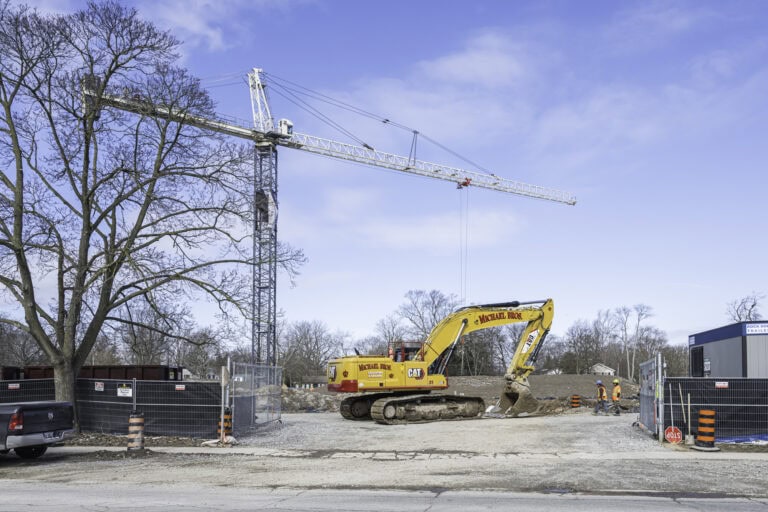
While the current council does not bear full responsibility for the sad state of our infrastructure, its decision to greenlight development applications that rely on the same inadequate and failing infrastructure must be called into question.
Our elected representatives have the opportunity to do the “right thing right,” but we shall see what they decide.
Brian Marshall is a NOTL realtor, author and expert consultant on architectural design, restoration and heritage.