Exploring Photos with the NOTL Museum: Parliament Oak opens, 1948
This image of Parliament Oak school was taken from the corner of King and Centre streets on Sept. 12, 1948. It was the official opening of the school, which replaced the former one at


This image of Parliament Oak school was taken from the corner of King and Centre streets on Sept. 12, 1948. It was the official opening of the school, which replaced the former one at
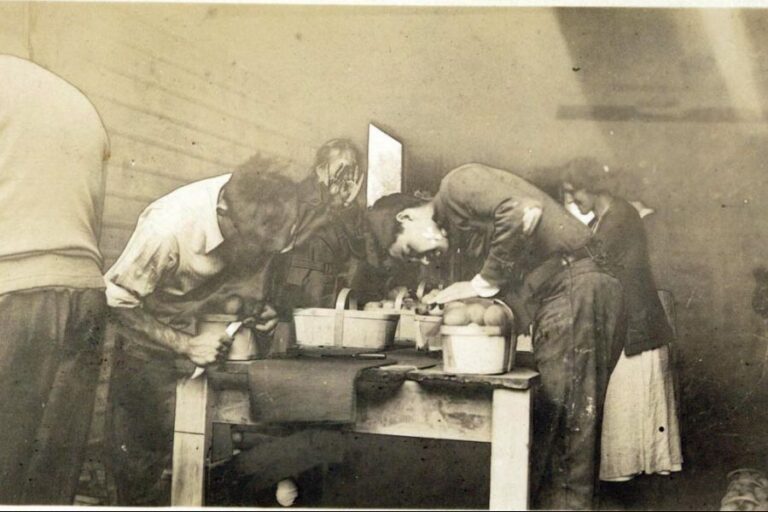
With the start of the fruit season, many of you might be getting to work on your homemade jams and canning all the fruits of the season. Here is the Harrison family working
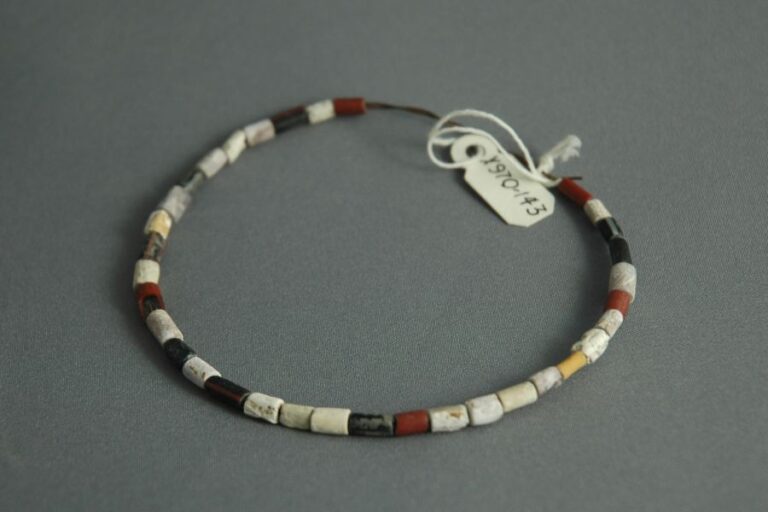
June is national Indigenous History Month and in recognition of that here is an image of a collection of wampum beads at the NOTL Museum. Wampum beads were manufactured by the Haudenosaunee (Iroquois)
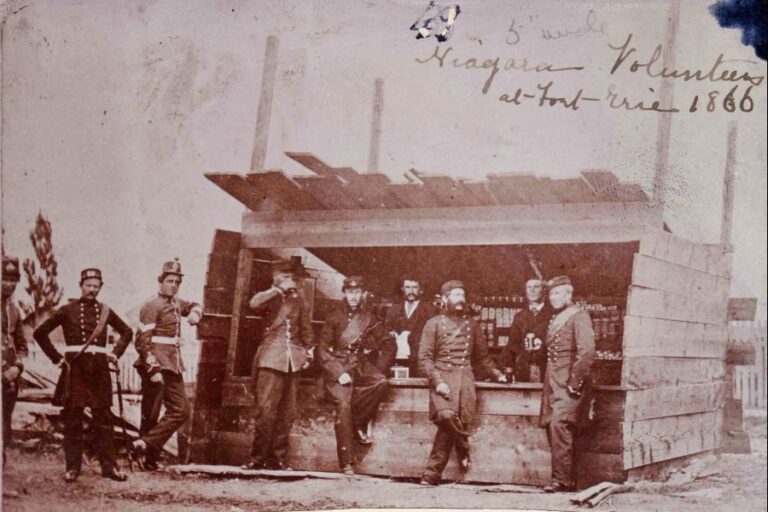
Here’s an image of a few Niagara Volunteers on active service in Fort Erie during the Fenian Raids of 1866. Former curator Janet Carnochan identified the local men in the photograph as Capt. E.
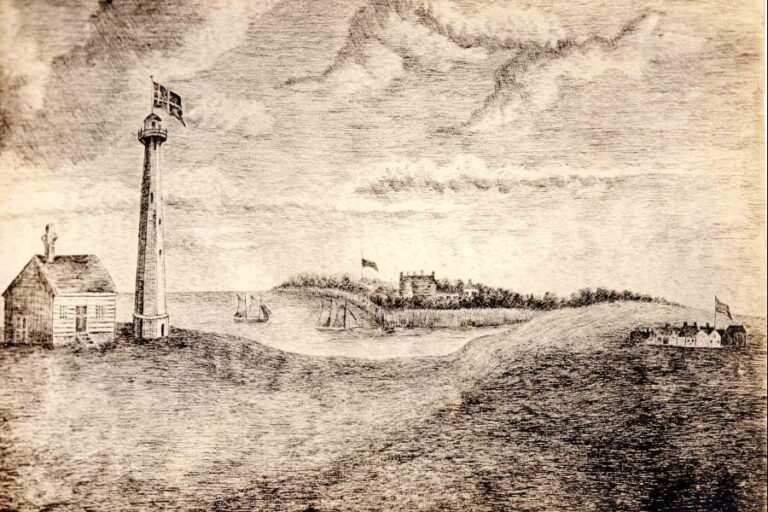
The first lighthouse on the Great Lakes was erected on Mississauga Point, in 1804, more than 200 years ago. The Assembly of Upper Canada, in its 1802-03 session, authorized the construction of three lighthouses
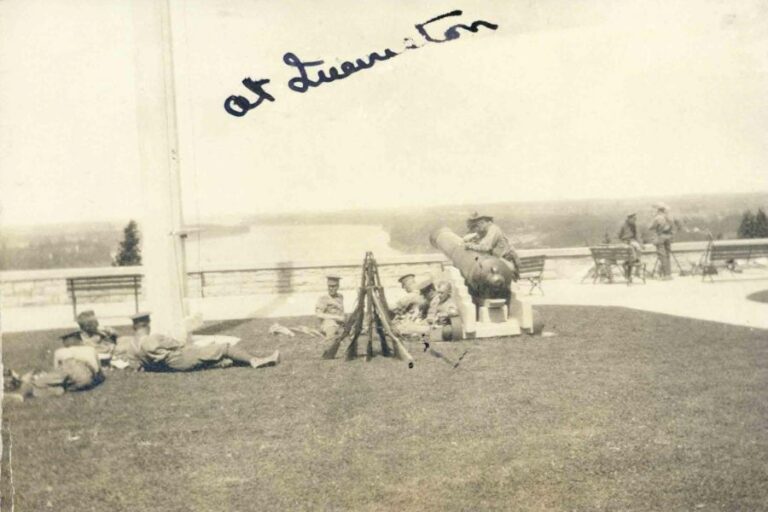
This First World War photograph is from an album owned by the family of Niagara Camp Commandant Lt.-Col. William A. Logie. Soldiers are resting for their two-hour lunch break on Queenston Heights after
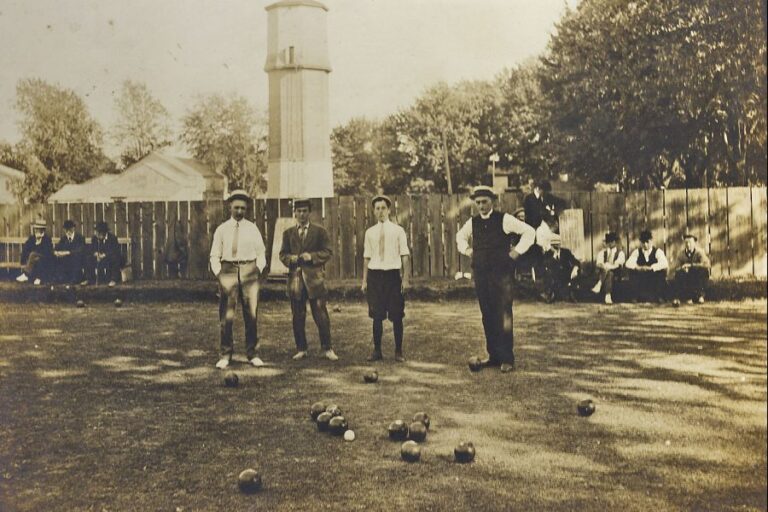
This is a photograph of the former lawn bowling green that existed on the corner of Johnson and Regent streets in the heritage district of Niagara-on-the-Lake. Four gentlemen are playing a match while others
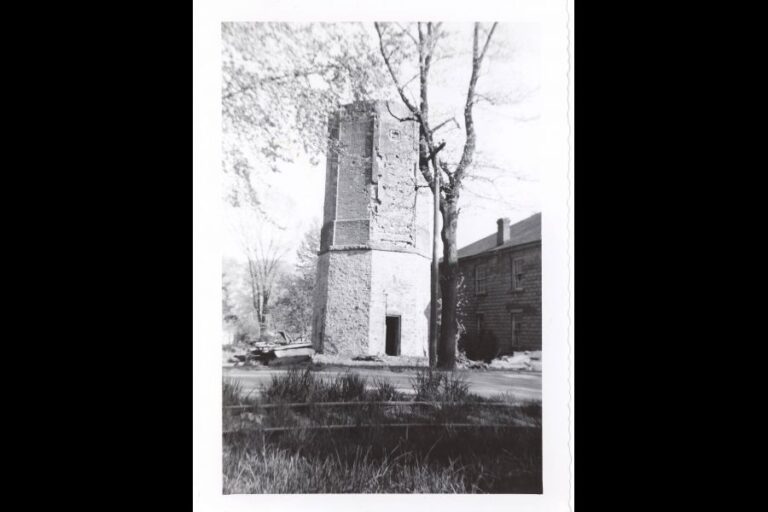
This photograph shows the former water tower on King Street, which was located beside Jack Greene’s Livery Stable. At the bottom of the picture, you can see the former railway line that ran down
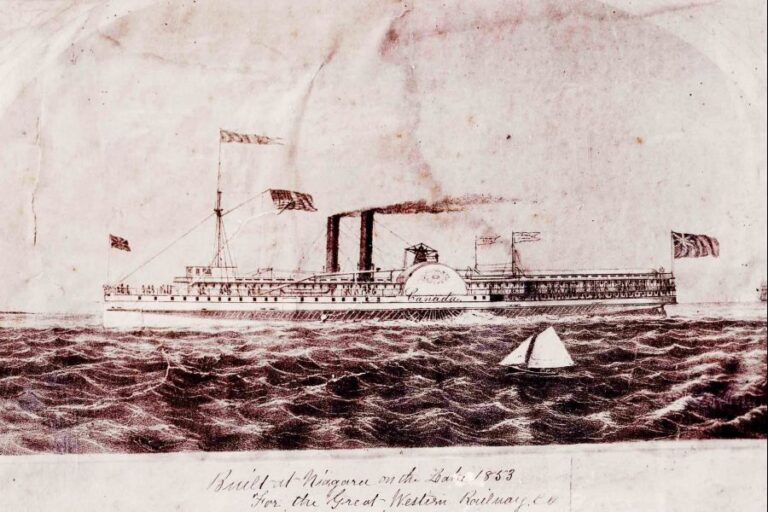
This is a print of the steamer “Canada” that was built in Niagara-on-the-Lake for the Great Western Railway in 1853. From the 1830s through to the early 1850s, Niagara-on-the-Lake was known for its shipbuilding, with
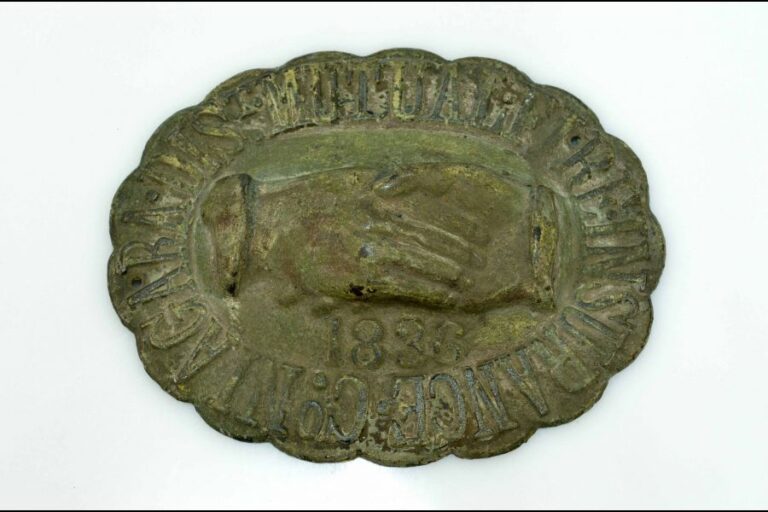
In Upper Canada during the early 19th century, metal plaques were provided by fire insurance companies to homeowners who had purchased insurance coverage. This plaque is oval and depicts two hands shaking above
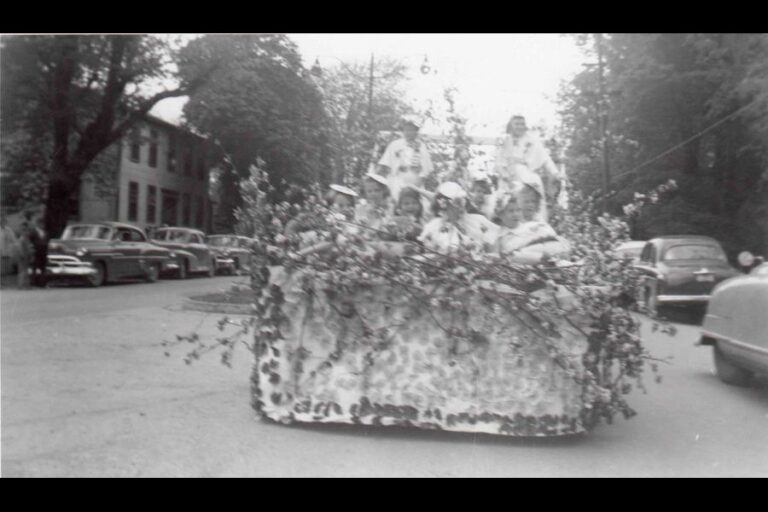
We are all enjoying the beautiful blossoms on the fruit trees this spring. This week’s photo is of the 1955 Blossom Blessing Festival in Niagara-on-the-Lake. Little is known about this festival, so it may have been
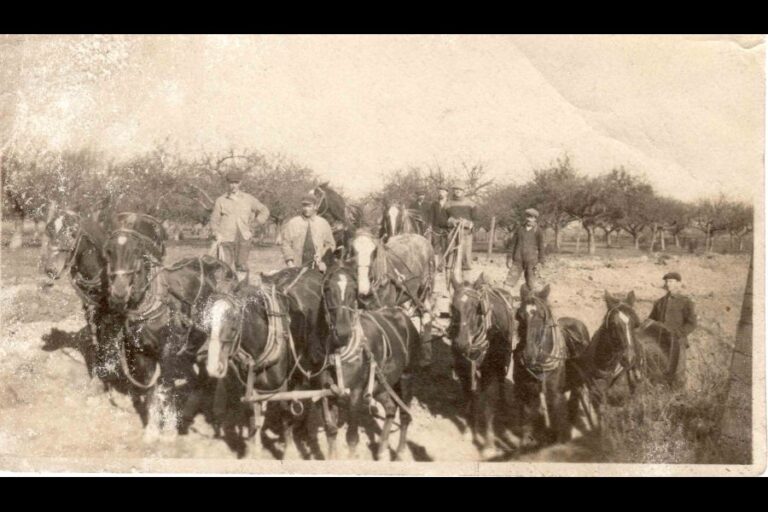
We are all patiently waiting for the tasty fruit season to begin in Niagara. We know our unique geography makes this area one of the most important in Canada for the production of
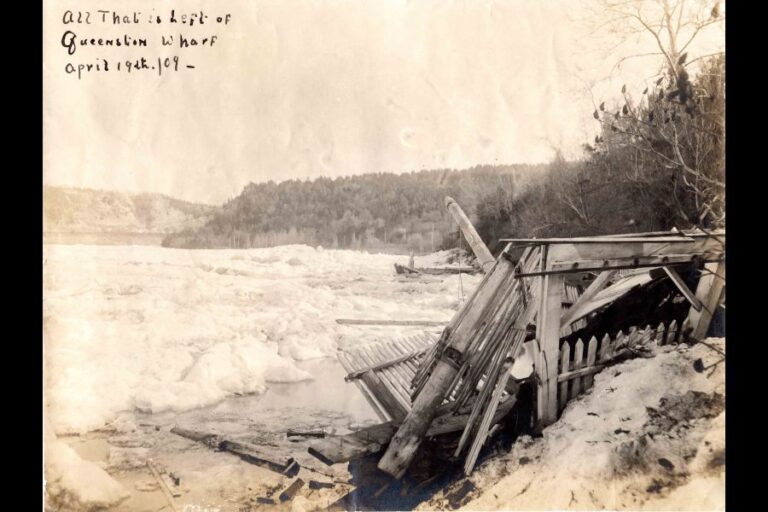
Here’s a photo of the Niagara River ice jam that occurred in April 1909. This photo was taken in Queenston looking south from the shoreline. On the right you see the destroyed Queenston
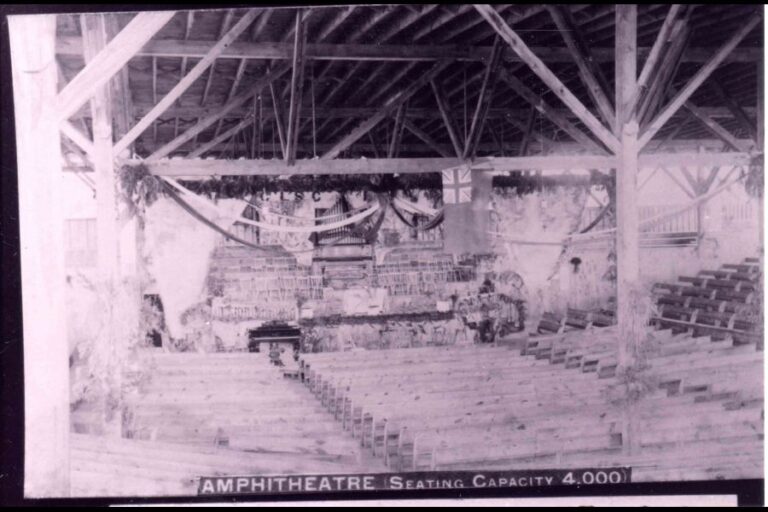
This is the only known photograph of the interior of the former amphitheatre that was part of the Chautauqua grounds in Niagara-on-the-Lake. The Chautauqua movement was a semi-religious social and cultural phenomenon that
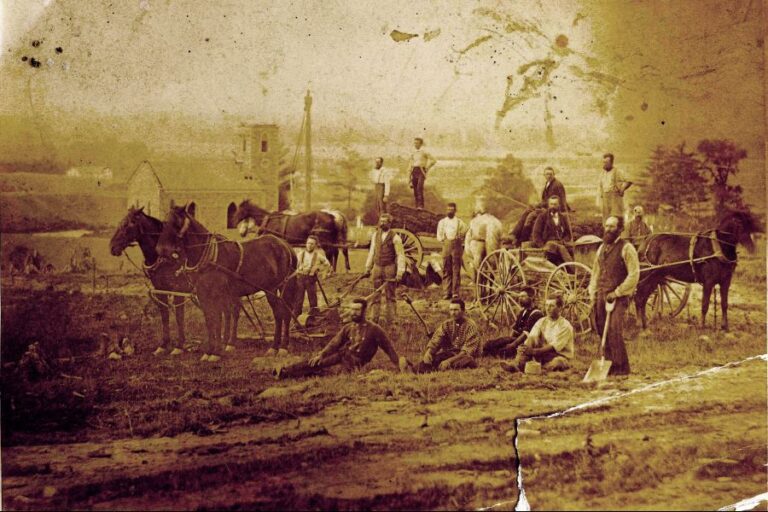
This is a late 1800s photograph of a group of unidentified men, possibly in Queenston, working on the road systems in our community. Early road development was completed through “statutory labour” and was overseen
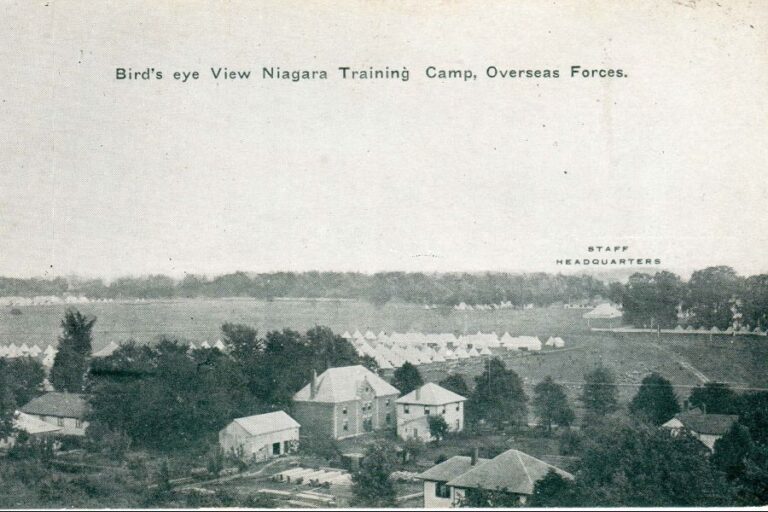
Here is a postcard, dated circa the First World War, printed by a local publisher named Frank H. Leslie. It is a bird’s-eye view, taken from the Court House on Queen Street, showing
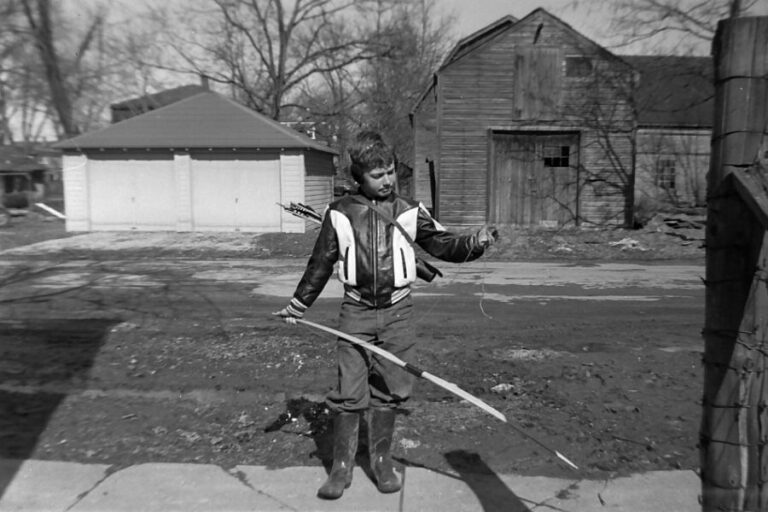
Here is Gordon Walker, playing with his bow and arrow on Platoff Street in the Heritage District, circa 1950. The garage to the left can still be seen today. The barn on the
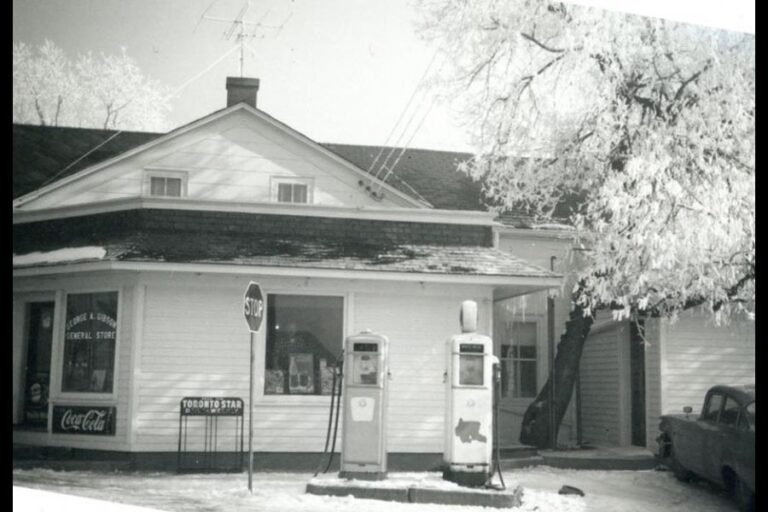
This photograph, circa 1950s, shows the front door and gas pumps of George Gibson’s General Store, which was formerly located at the corner of Four Mile Creek Road and Highway 55 (where Silks
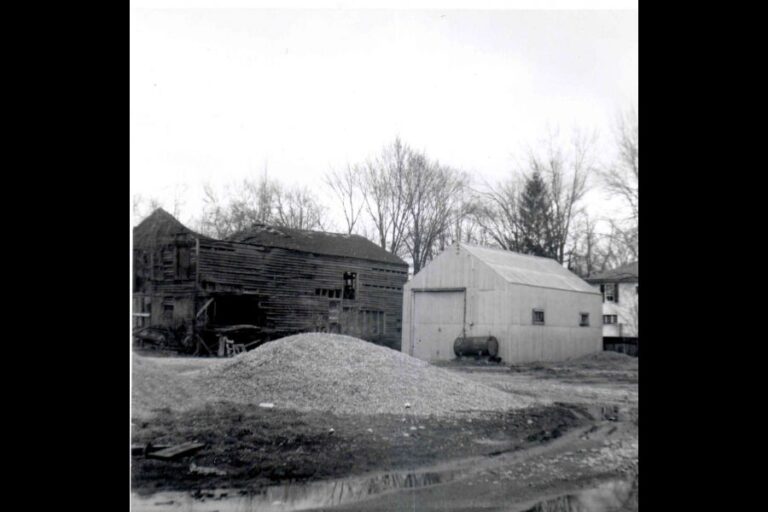
This photograph from 1957 shows the former municipal public works sheds that were located in the Market Square area of Niagara-on-the-Lake.This was directly behind the Queen Street courthouse, which was formerly the town
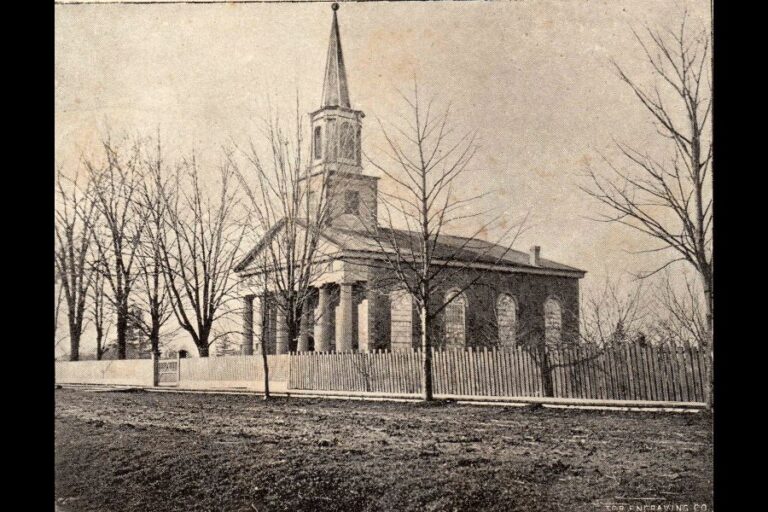
Religion plays an important part in putting down roots in a community and many of our early Black residents belonged to the local churches, including the former Methodist Church that previously stood where the
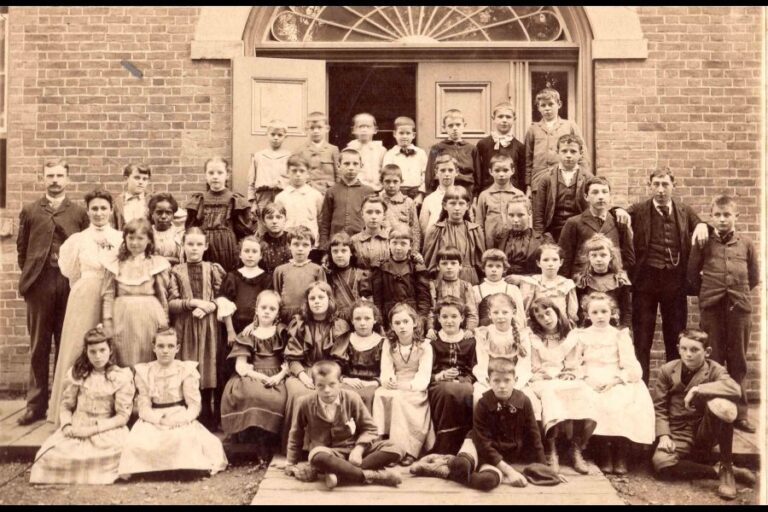
A Niagara Public School Class photo from around the turn of the 20th century shows Winnifred Wesley, who was a descendent of an escaped slave. Winnifred and the other women in her family
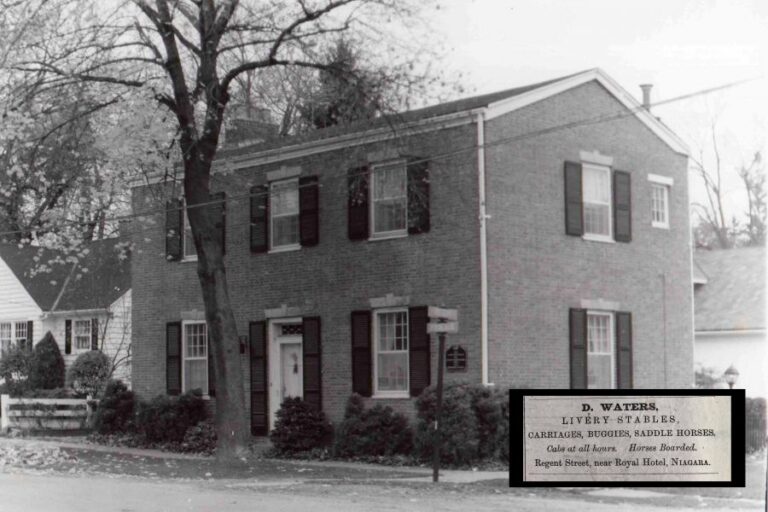
Daniel Servos Waters was one of the first successful Black businessmen in Niagara during the mid- to late-1800s. He first ran his carriage service out of his home at 243 Gate St. but after


© All Rights Reserved, Niagara Now.