Letter: Let the old hospital maintain its purpose: helping the sick
“Let’s use the old hospital as a residence for the people who are unwanted in modern hospital care,” writes Cynthia Rand.


“Let’s use the old hospital as a residence for the people who are unwanted in modern hospital care,” writes Cynthia Rand.
“To call the executive director of the Shaw Festival ‘the dude in charge’ is extremely rude, and the fact that the editor or publisher allowed this to be printed says much about the paper itself,” writes Peter Barwell.
“It seemed that the Beer Store could always negotiate their way into continuing their monopoly and thus their existence. Things have changed,” writes Jackie Bonic.
“I have no doubt that our hard-working councillors are concerned about raising revenues. But really — a parking lot at a historic gateway site, where caring and community have always been at the heart?” writes Robin Cardozo.
“Mr. Turner is right. The viability of non-profit organizations ‘hangs off the largesse of donors and governments.’ It always has. This is what makes working and volunteering in the non-profit organization sector so challenging,” writes Carolyn Bodnar-Evans.
“Niagara-on-the-Lake’s strength comes from its business community. Adding cost and complexity at the municipal level risks discouraging investment and weakening that foundation,” writes Scott Gauld.
“Where is the evidence-based-outcome driven benefit of reducing council to six from eight? How is springing a change like this on the citizens of Niagara-on-the-Lake with no opportunity for discussion or study ‘good governance’?” writes Bob Bader.
“The use of the hospital site must not be a parking project. We must have more common sense than that,” writes Cecilia Bennett.
“I’m sure that no one thinks that it should be the taxpayers’ responsibility to build a parking garage for anyone, including the Shaw theatre, especially when other more acceptable uses were being privately funded,” writes Wayne Murray.
“We talk a lot in NOTL about attracting young families to the area, and yet we have no public school, no hospital and few spaces for families to gather, outside the community centre,” writes Brendan McLeod.
“You can’t have a happy, healthy, diverse town without realizing it is a town first, not a money-maker,” writes Elaine McCaughey.
“We are now witnessing a military conflict whose length and final outcome cannot be determined at the present time,” writes Derek Collins.
“If we begin demanding that individuals resign from public life based solely on the title of books they have read or purchased, we are venturing down a very slippery slope,” writes Rob Brenmer.
“Let’s stay focused on amalgamation of one kind or another folks, and maybe go to the public (not private) library and read some intriguing books once in a while,” writes Peter Rusin.
“Now, I can’t bring myself to cease a lifelong habit of orange juice at breakfast time. But, I did have a solution,” writes Andrew Henwood.
“Niagara-on-the-Lake is not the problem. We should not be asked to pay as though we are,” writes Matthew Lush.
“Could those facilities not have been housed in the vast area of space where Upper Canada Lodge was?” writes Elizabeth Oliver-Malone.
“What Mr. Gale fails to recognize is that, from a taxation standpoint, Niagara Region generally operates as an amalgamated entity,” writes Ron Fritz.
“Amalgamation, I believe, is a component of a broader provincial economic strategic plan that recognizes the Niagara region and the provincial government are underutilizing the revenue generating capacity of Niagara Region,” writes Gienek Ksiazkiewicz.
“As we fast approach the municipal election cycle, expect our elected officials to dust off their tired, old, scripted and repetitive stump speeches. Political puffery on steroids,” writes Samuel A. Young.
“Would this not allow players to enjoy the wonderful courts and placate the offended residents? It may be that simple,” writes Vic Klassen.
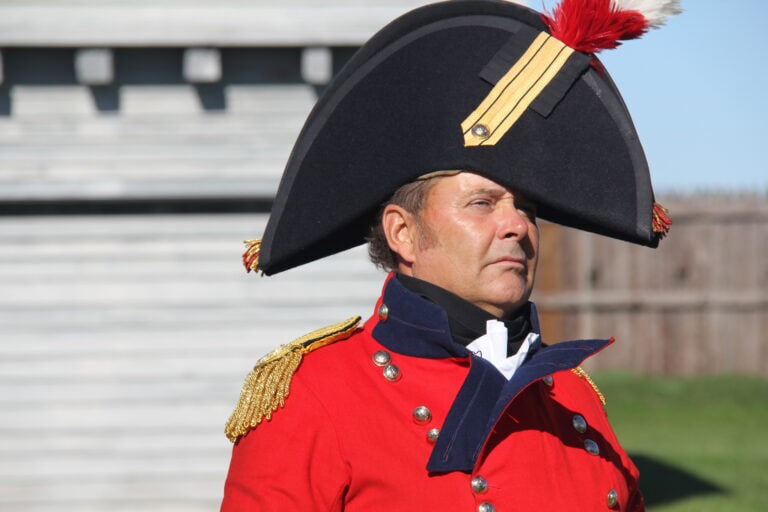
“Scott once said, ‘Find your passion and pursue it; then there is no such thing as work.’ He certainly found his at Fort George,” writes Tony Chisholm. Finlay, who died on Feb. 19, was 70.
“A straightforward explanation of designation categories and the obligations that accompany them would go a long way toward helping residents understand their situation without unnecessary worry,” writes Debra Rowe.
“While we’re being ‘encouraged to think about and reaffirm our commitment to intellectual freedom,’ the town has announced it will be restricting information given to the media,” writes Cathy Simpson.
“I would like to give this council one small piece of advice: listen to your electorate and respond accordingly with respect and civility,” writes Buddy Andres.


© All Rights Reserved, Niagara Now.