


Keith McNenly
Special to Niagara Now/The Lake Report
Human science tells a tidy story about how humans domesticated dogs, but that’s not the real story.
Tens of thousands of years ago, the Earth held a meeting.
Human populations had begun to grow — agriculture appeared. Villages formed, then fortified and fought other villages. Individual violence became tribal.
Humans accelerated destruction of land, forests, other species and then each other. Humans became a problem.
Earth recognized the worrying trend and called a meeting. Fungi took minutes and would receive field reports — because fungi are the only ones with a robust communication network.
A plan emerged.
Observers would be needed to report progress back to the committee. Crows were considered because they are everywhere, but they did more talking than listening. After considering many species, a bear was interviewed.
Committee: “How do you negotiate dispute settlement?”
Bear: “We don’t negotiate, we end it.”
The bears got the job.
Committee discussions took eons but went generally like this: The human species was becoming too destructive and violent — an intervention was required.
The wind came in first as usual and said it could send tornadoes and hurricanes to wipe them out. Water floated the idea of deluges.
Earth landed its own insight: humans don’t need to be punished, just softened. The wise owls contributed that the human ego would require any plan be executed in a way that humans would believe it was their idea.
Wolves realized humans were doing the “pack” thing all wrong — using it for harm, not mutual benefit. Real packs protect, warn and put the group first. Wolves lived this; humans had to be taught — domesticated.
Enter, Project FOG (Field Operatives of Gentleness).
Phase one: Puppy acquisition (the bonding funnel)
There is a reason puppies look the way they do. Heads slightly too big. Movements slightly too clumsy. Eyes big and round, and contain an expression best translated as, “I have faith in you even if you don’t.” Humans are not immune to this.
A puppy is essentially a small, warm application that installs itself directly into the human nervous system. A human cannot argue with a puppy without feeling slightly ashamed. That is not a weakness. That is the beginning of education.
Phase two: The carpet curriculum (humility training)
A strange feature of dog life is the “accident,” which usually occurs on the carpet even when a cleanable floor exists within a few inches.
Many have assumed this is confusion. The Earth committee assures us it is not. Hard floors teach wiping. Carpets teach character.
Phase three: The tools (subtle, effective, occasionally damp)
FOG agents were equipped with several behaviour-shaping techniques.
The head tilt: a small angle of inquiry that causes humans to explain themselves. Explaining is how humans accidentally learn.
The big-eyed stare: an interface that redirects dominance into care. It creates a pause — the brief moral space in which a human can choose to be better.
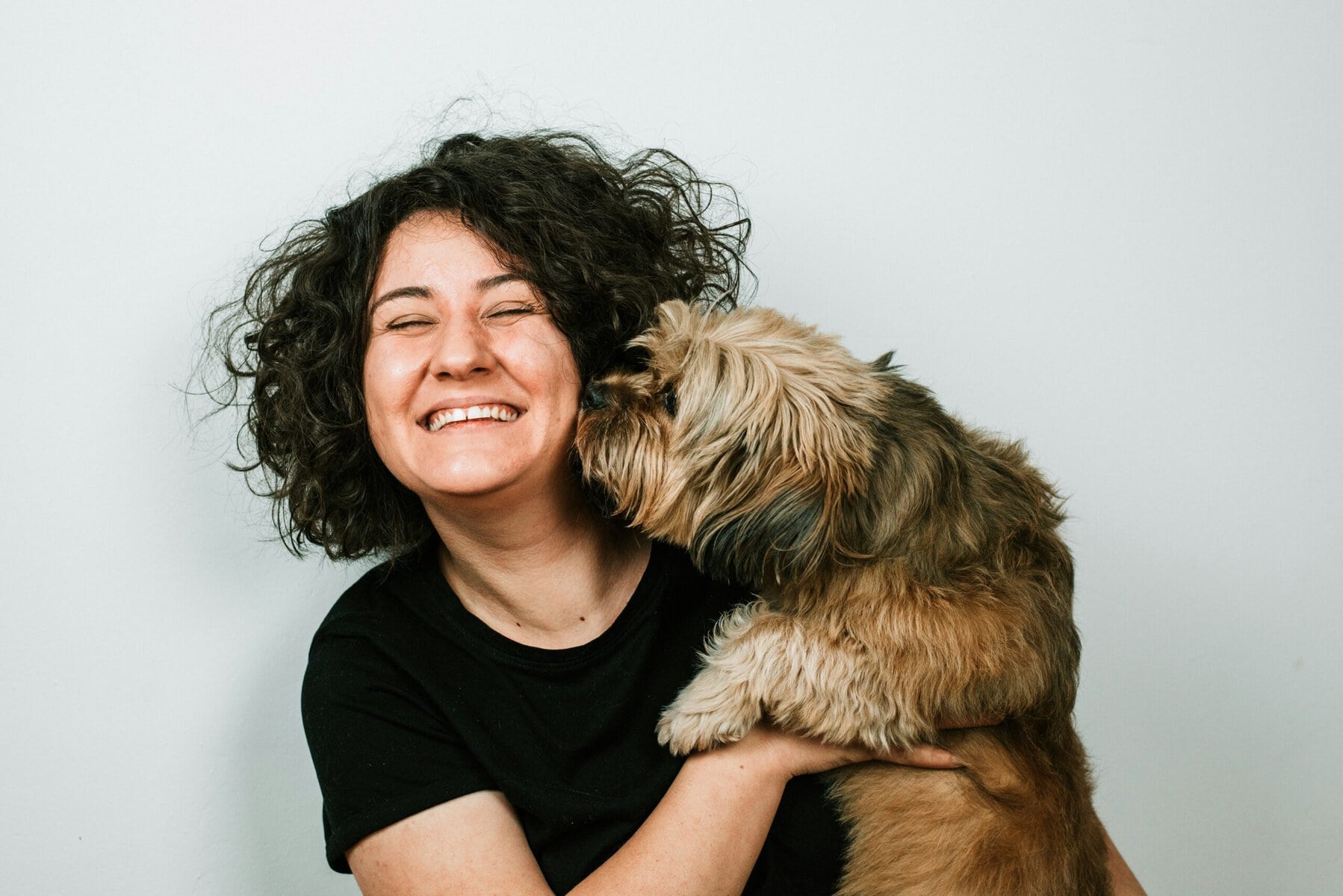
Licking: often misunderstood as affection alone, licking is also diplomacy. It interrupts spirals. It resets shame.
The walk protocol: the most successful intervention of all. Twice a day, a dog requires a human to go outside and notice the world. It is difficult to remain grandiose while holding a bag of poop.
Phase four: Adulthood (routine becomes stewardship)
The true genius of dogs is that, after the puppy phase fades, the responsibility does not. It gives unconditional love. It needs breakfast and water. It needs the outside world. It needs you to show up.
Slowly, without fanfare, the human becomes someone who practises care even when it is inconvenient. This is how you domesticate a powerful species: not with commandments, but with habits.
Phase five: Old age (the short lifespan lesson)
And then comes the part no one jokes about.
Dogs do not live as long as humans. The course is brief — 12 to 15 years, sometimes less. Which means humans learn, again and again, the hardest lesson: love is not possession.
Caring for an old dog teaches something that no app can teach: That worth is not tied to productivity.
That devotion does not end when someone becomes slower, weaker, inconvenient.
That grief is not a failure of love — it is the proof that the training worked.
The Earth committee did not design dogs to break human hearts. It designed dogs to open them, and opening has consequences.
The most dangerous species on Earth was not conquered. It was befriended, one household at a time, by a creature sometimes small enough to fit in your arms and wise enough to require your best self.
Happy Earth Day.
Niagara-on-the-Lake resident Keith McNenly was the chief administrator of the Town of Mono for 41 years.