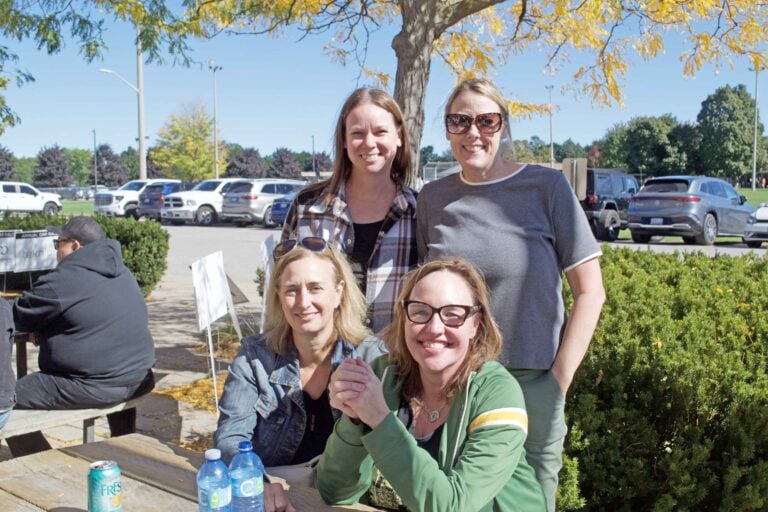

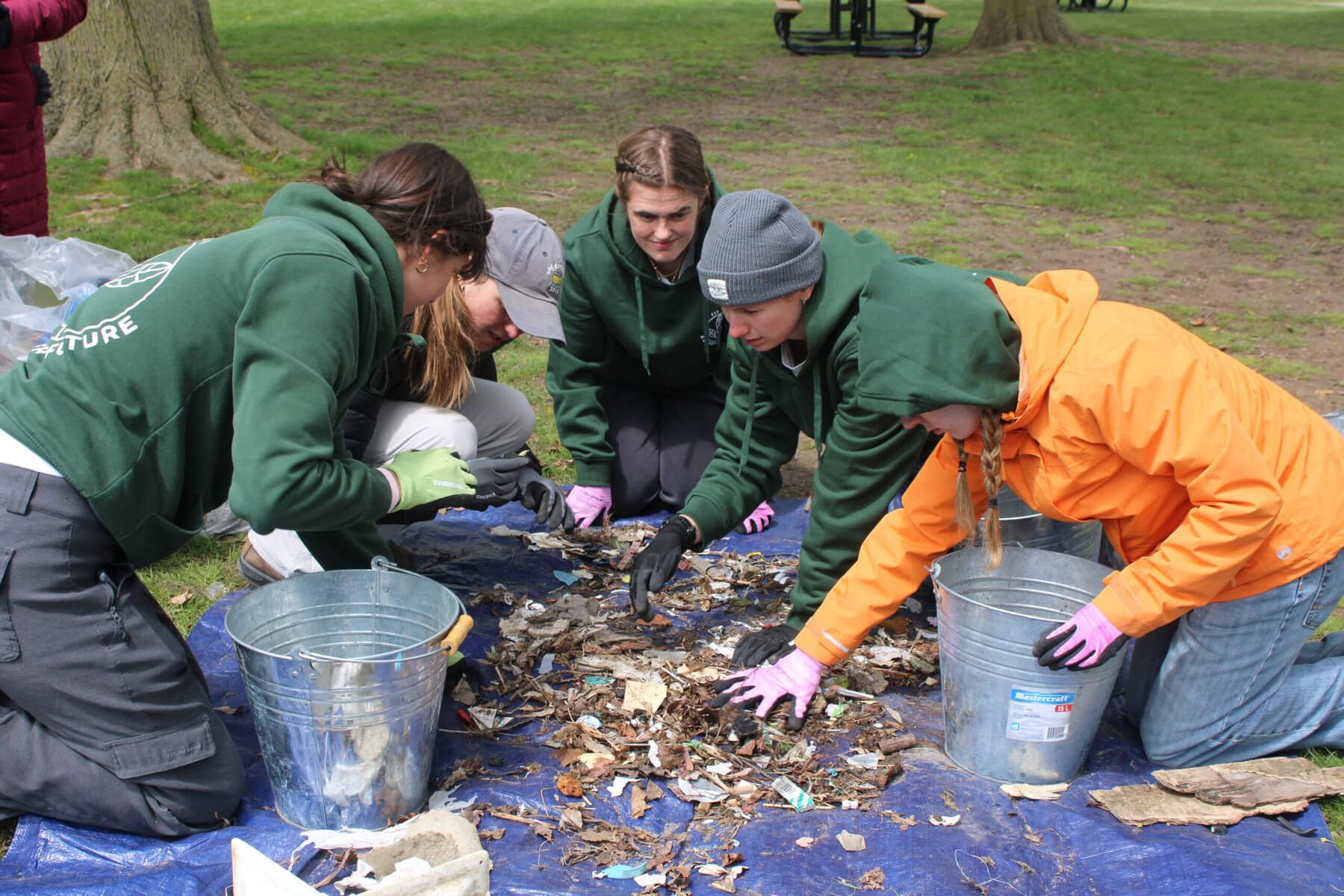


Persistent plastic litter and microplastics along the Lake Ontario shoreline are driving a summer-long cleanup campaign that launched Saturday at Queen’s Royal Park where 24 volunteers collected 5,640 pieces of litter.
The Canadian non-profit A Greener Future began this year’s Love Your Lakes cleanup at the local park beside the Niagara River, with more than 300 cleanups across south Ontario already planned, adding each site’s litter count to a dataset dating to 2014 that supports research, public education and policy work tied to the Great Lakes.
“Cigarette butts are always our number one,” program manager Gregory Waclawek said. “Food wrappers and plastic pieces are two and three, and all three of those things are made of plastic.”
The group will run near-daily cleanups from Hamilton to Oshawa and east to Kingston through August, supported by a 17-person seasonal staff team that sorts and records each item collected.
Executive director Rochelle Byrne said the organization has removed more than two million pieces of litter since 2016 and relies on detailed tracking to target sources and support regulatory work.
“We collect data on everything that we pick up so that we can come up with campaigns to target certain items or share that data with other organizations that are maybe working on policy,” Byrne said.
Byrne said foam debris remains a concern along the Niagara-on-the-Lake shoreline. It can come from old docks and marinas, and some waste washes in from outside the community.
The issue reaches beyond the park, she said, because Lake Ontario is part of the region’s water supply.
“That’s our drinking water right there,” Byrne said. “If it’s contaminated with toxins and microplastics, we’re ingesting that.”
Coun. Tim Balasiuk, who operates Paddle Niagara, has partnered with Byrne on the kickoff cleanup for more than a decade. He said microplastics remain embedded in shoreline debris.
“I pretty much filled one bucket in about a foot-and-a-half square, just filtering through sticks and twigs,” said Balasiuk.
Balasiuk said erosion protection work and high water levels have changed access to parts of the shoreline, including areas near Navy Hall, making some old cleanup spots harder to reach.
The program also tracks nurdles, small pre-production plastic pellets that can spill during manufacturing and transport. Those findings are reported to an international database and can support efforts to hold plastic producers accountable.
Program staff audit litter across 32 categories at each site, building a long-term record that tracks changes in material types and volumes over time.