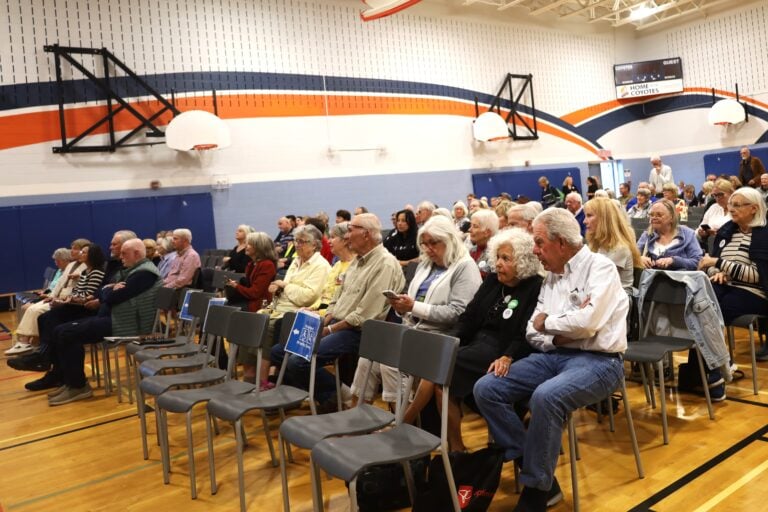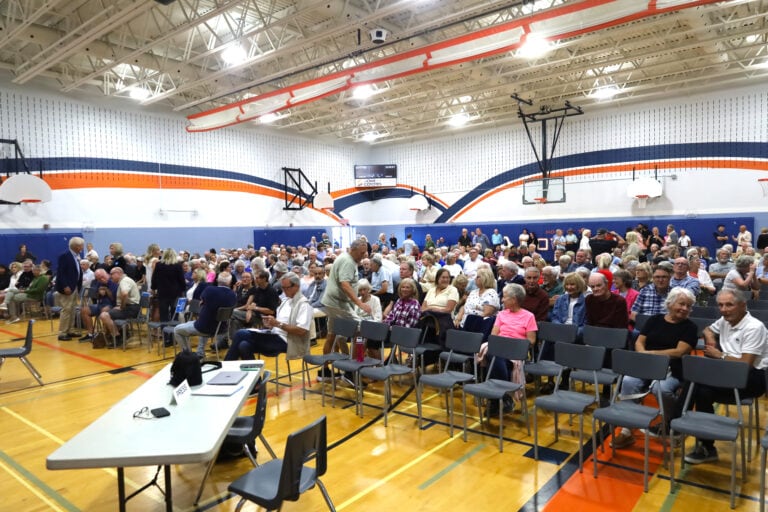

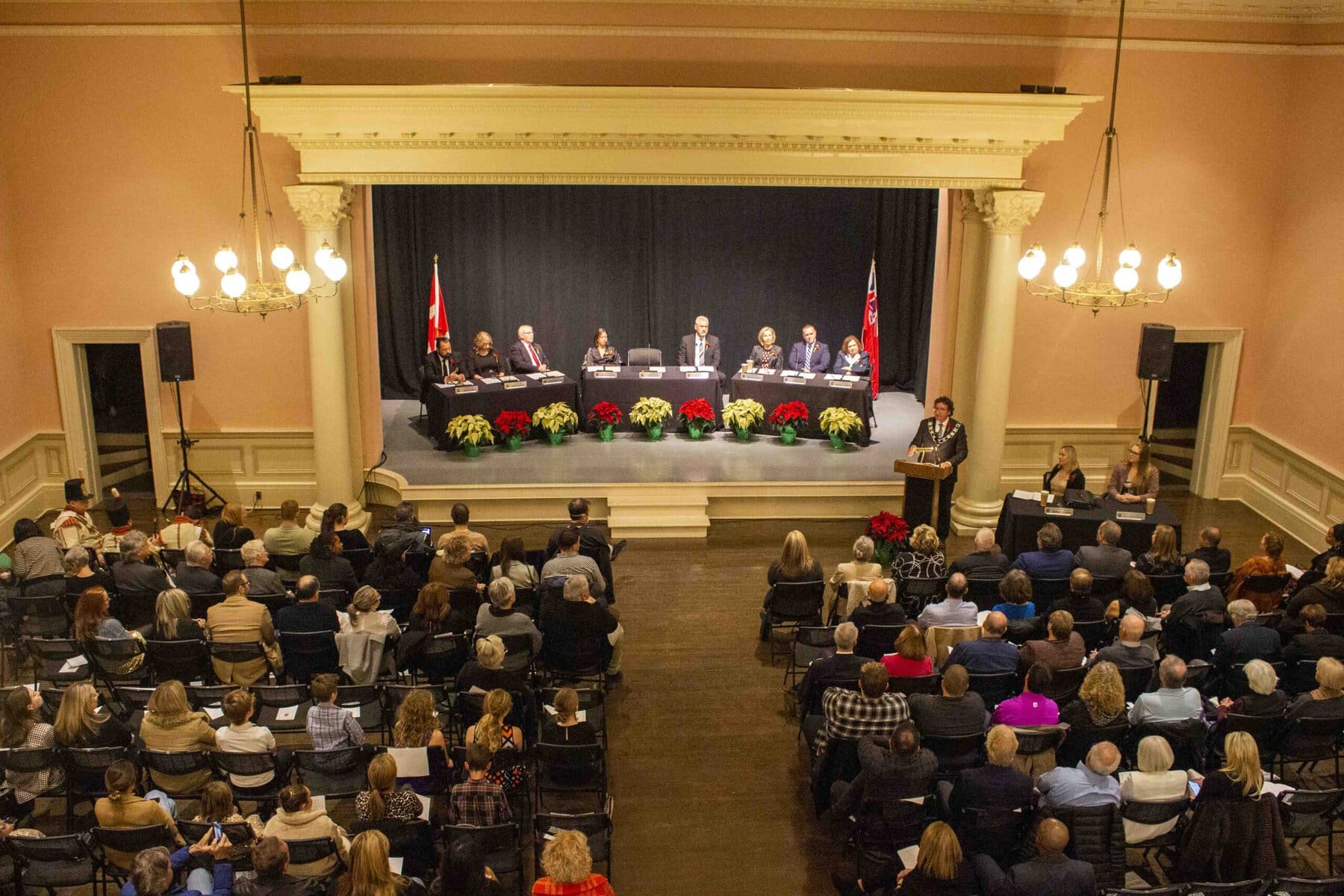


It’s official: get ready for two fewer seats at the table of Niagara-on-the-Lake council by the end of this year.
The Ontario government’s plan to shrink the municipal councils of Niagara-on-the-Lake, Thorold and Port Colborne is now enshrined in provincial law, with a handful of amendments added to the Municipal Act this month.
This means, starting with the 2026 municipal election slated for this fall, NOTL council will be made up of six councillors and the lord mayor, down from eight councillors — this year’s election will see two fewer people join council.
The change came through the province’s Bill 100, which became law on May 7. It gives the province the ability to change the size of councils in NOTL, Thorold and Port Colborne.
“This legislative change represents an important step toward implementing a council structure that supports effective governance while continuing to serve the needs of our community,” said Lord Mayor Gary Zalepa in a May 26 media release.
In March, NOTL council approved a move to voluntarily shrink the size of its council down to seven members from nine, as part of ongoing politicial discussions about making regional and municipal governments in parts of Ontario more efficient by reducing the number of elected officials.
The town forwarded its plan to cut down its council to Municipal Affairs Minister Rob Flack, but in April, town officials were told it would not proceed for the 2026 election, indicating the request had likely come too late under election timing rules.
Now, the amendment to the Municipal Act will allow the change to go forward.
In the media release, Zalepa re-iterated the intention of this move that he has expressed in the past, which is to stave off the possibility of Niagara-on-the-Lake being amalgamated into a larger city, either with one or two other municipalities in the region, such as Niagara Falls, or with every city and town in Niagara.
The amalgamation idea arose in February this year as part of a conversation started by former Niagara Region chair Bob Gale, who expressed concerns about governance in Niagara becoming expensive and inefficient. Gale floated it to the Municipal Affairs Ministry in a letter sent that month, igniting regionwide debate, including pushback from NOTL council.
“We appreciate the province’s collaboration on this matter and will continue working through the next steps required to implement the changes for the 2026 election,” Zalepa said.
Chief administrative officer Nick Ruller says the town intends to keep residents up-to-date on the process as it transitions toward a seven-person council.