


John Scott
Special to The Lake Report
The week of Sept. 9, 2001, was the first time the North American Wholesale Grocers Association had held its annual convention outside of the United States.
The delegates included the CEOs of the companies that sourced and sold food products to the grocery industry and for the first time the chair of the association was a Canadian — and he had convinced them to hold the annual meeting in Toronto at the Westin Harbour Castle.
Logistical support for the event was provided by the Canadian Council of Grocery Distributors’ vice-president of events and logistics, my wife, Michelle Scott. We now live in Niagara-on-the-Lake.
On the morning of Sept. 11, the post-breakfast conference was going smoothly but shortly after 9 a.m. the conference hall thinned out as word of the planes crashing into the Twin Towers began to circulate.
The primarily U.S.-based delegates gathered in the bar area as the Harbour Castle turned on all its televisions. Everyone was concerned but surprisingly controlled.
Michelle recalls images of people repeatedly using their phones to try to learn the fate of loved ones. Several, from the New York area, had family members or friends working in the towers. It was difficult to watch as they frantically called but received no answers.
Michelle found her boss and told him that these people needed to get home. He told her to do everything she could to make it happen.
She quickly learned that flights were grounded and airspace closed, so she started calling bus companies. She remembers phoning almost every bus company in Toronto until she found one with an available highway motor coach that could take 55 passengers to New York and Washington the next day.
She told all the delegates that they had three choices to get home: those with private aircraft might wish to stay in Toronto and wait for clearance; those willing to wait could eventually take scheduled flights or other forms of transport; and anyone who wished to could take the bus.
She divided the delegates into three lists that were worked and reworked over the next 12 hours as the CEOs decided their best path.
She also requested extended stays for everyone at the hotel — but the Harbour Castle’s front office refused because they had new guests arriving that evening. After some negotiating, a determined Michelle finally convinced the hotel that, given the circumstances, no new guests were coming that night.
During the day, as people realized they had limited options, the bus list took shape and by 9 p.m. the full complement was set to roll out at 5:30 the next morning.
Michelle received assurances from U.S. border officials that this busload of U.S. CEOs would be allowed through at Fort Erie.
The conference had scheduled a formal dinner at Casa Loma for that night but changed it to a casual affair — and everyone came.
For those in attendance, it was one of the warmest evenings with other people they had ever experienced. This was not a Canada-U.S. issue, just a group a great people holding on to each other in the wake of an unimaginable tragedy.
All through that event Michelle continued to rework her lists. She had become communications and logistics central for almost everyone.
Around 10 p.m. her boss asked what he could do. “Coffee and donuts for 55 at 5:30 a.m.” was her response. And he delivered.
At the appointed hour, an interesting collection of powerful people who were all incredibly fierce competitors, settled into seats on the coach to go home.
Michelle asked the bus driver to call her three times: when he cleared the border; when he made the first dropoff near New York City; and again when everyone else disembarked in Washington, D.C.
In the aftermath, Michelle received a ton of accolades for the work she had done to “get her people home” and for many years at food industry events in the U.S. those who had been on the bus or were supported by her in other ways centred her out.
They always talked about how remarkably cool and organized she had been on 9/11 and how grateful they were that she had been there.
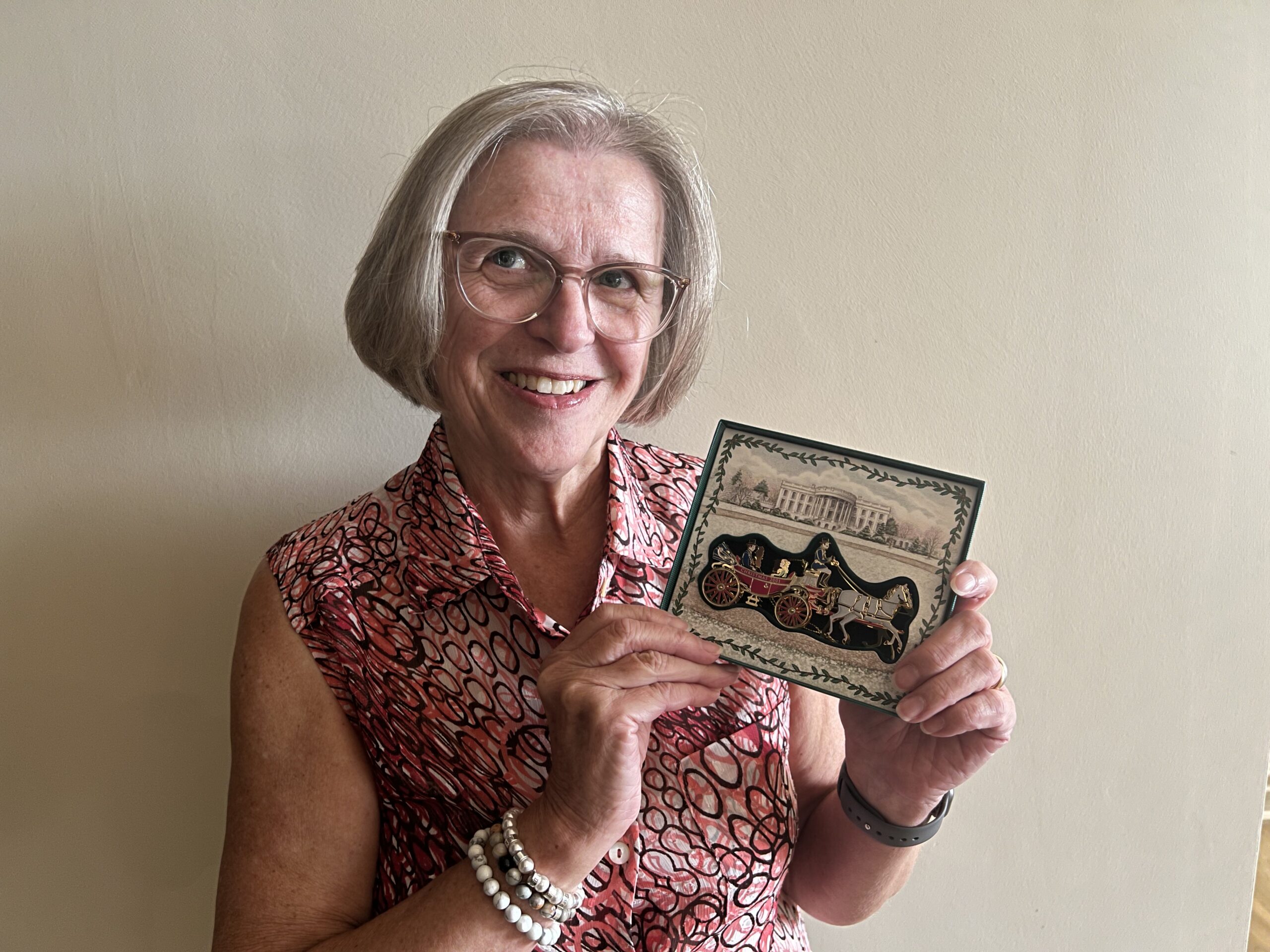
At Christmas the following few years, the grocers’ association would send her the White House Christmas ornament as a token of thanks.
When I recently asked if she would do the same today given the heightened Canada-U.S. tensions, her reply was unequivocal.
“Would I go to the wall to get those people home again? You bet I would!”
I think most Canadians would do the same.
John and Michelle Scott are residents of Niagara-on-the-Lake.