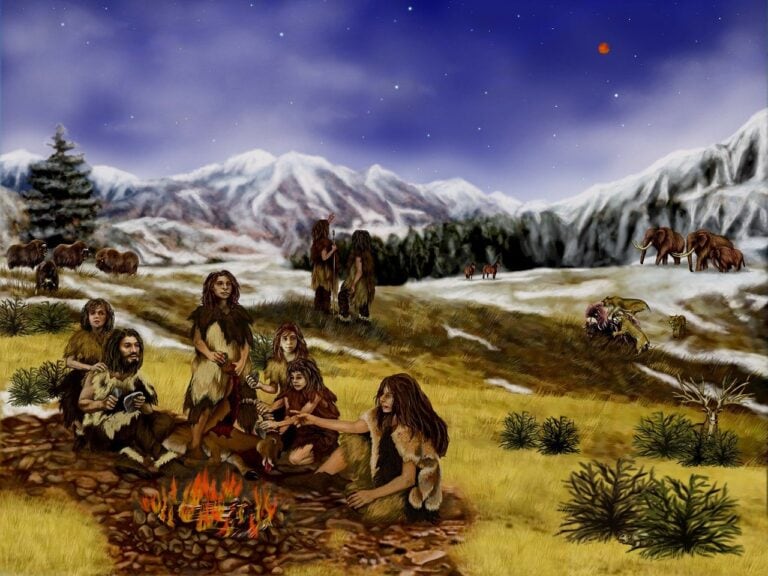
Dr. Brown: Fire was key to evolution — where did it come from?
“If controlled fire was a huge plus for neanderthals 400,000 years ago, how far back does controlled fire go?” writes Dr. William Brown.


“If controlled fire was a huge plus for neanderthals 400,000 years ago, how far back does controlled fire go?” writes Dr. William Brown.

“These days, the nature of consciousness is hotly debated by several competing groups, with no consensus or clarity emerging in the debates between them,” writes Dr. William Brown.
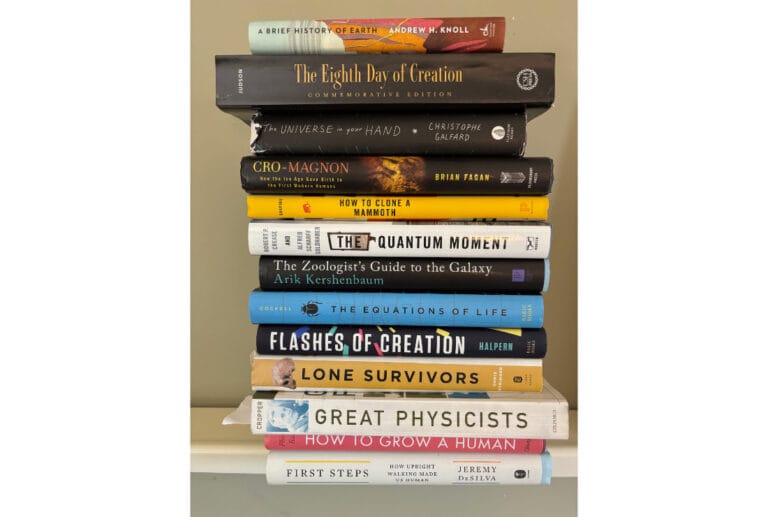
“Driving everything in my quest for understanding nature have been recuring themes for me,” writes Dr. William Brown, citing the universe, human evolution, the rise of AI and more.

“Colonizing Europeans often encountered what they considered primitive peoples,” writes Dr. William Brown. “Yet, within a few generations, those so-called ‘primitives’ mastered European languages, cultures and technologies.”
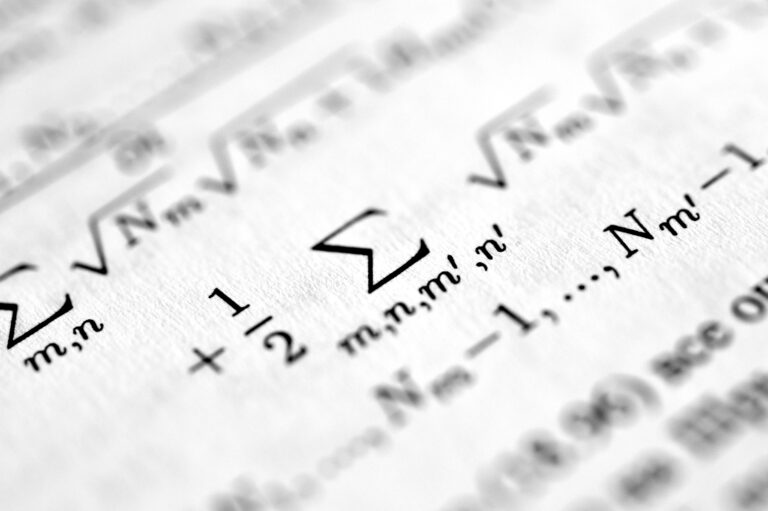
“My guess is that had AI been trained on similar challenging math problems, it wouldn’t have taken long before AI mastered other questions posed by top notch mathematicians,” writes Dr. William Brown.
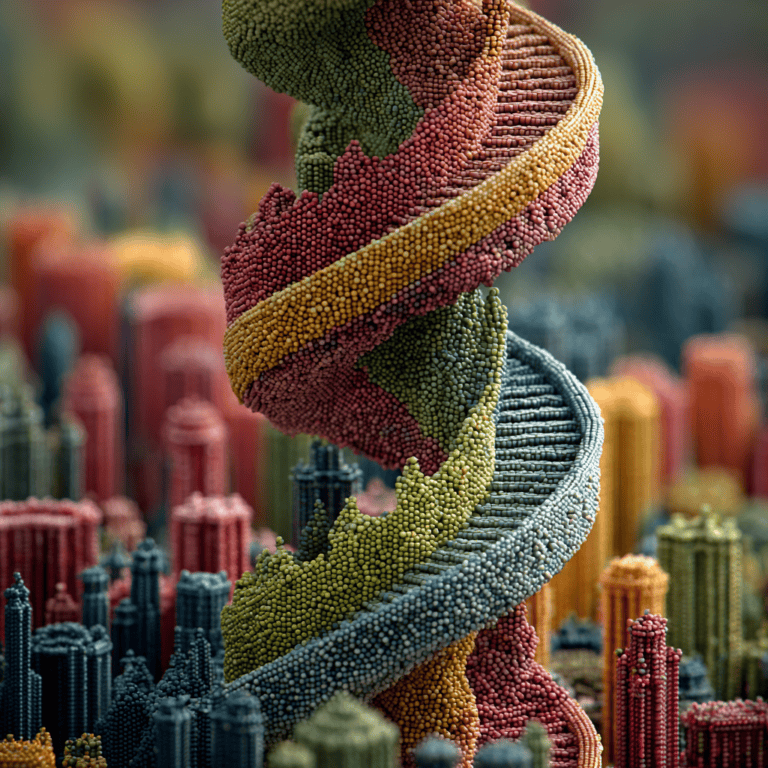
“The path to modern humans was never scripted, because of the important role natural selection and chance play in the evolution of most species, including our own,” writes Dr. William Brown.
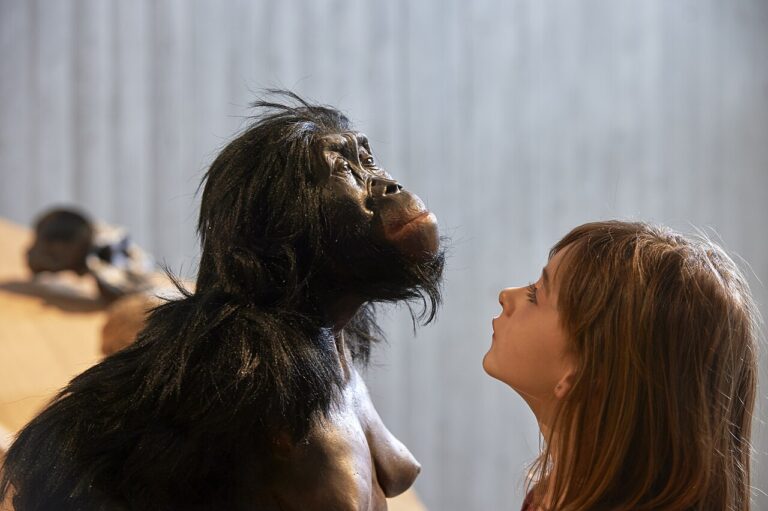
“The picture of human evolution, and indeed the evolution of most species, may look very different by the mid-century mark and beyond,” writes Dr. William Brown.
“The picture of human evolution, and indeed the evolution of most species, may look very different by the mid-century mark and beyond. That’s what makes the story so intriguing for me,” writes Dr. William Brown.

“The evidence that neanderthals created art has important implications and suggests that symbolic thinking antedates the emergence of modern humans by several hundred thousand years,” writes Dr. William Brown.
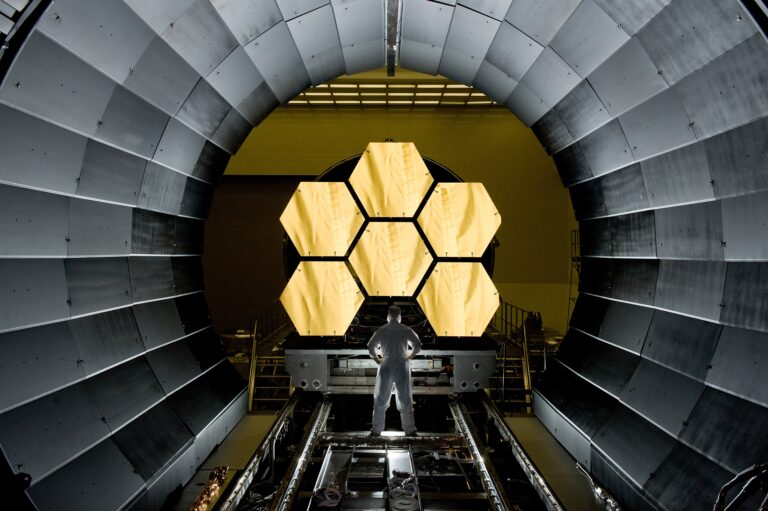
“There are limits to what we can know, given that estimates suggest that 95 per cent of the universe is beyond what we can see,” writes Dr. William Brown.

“It’s common enough when we’re worried or upset for our feelings to be accompanied by an increase in heart rate, perhaps even a skipped or extra beat … But what if, as some scientists suggest, the opposite happens?” writes Dr. William Brown.
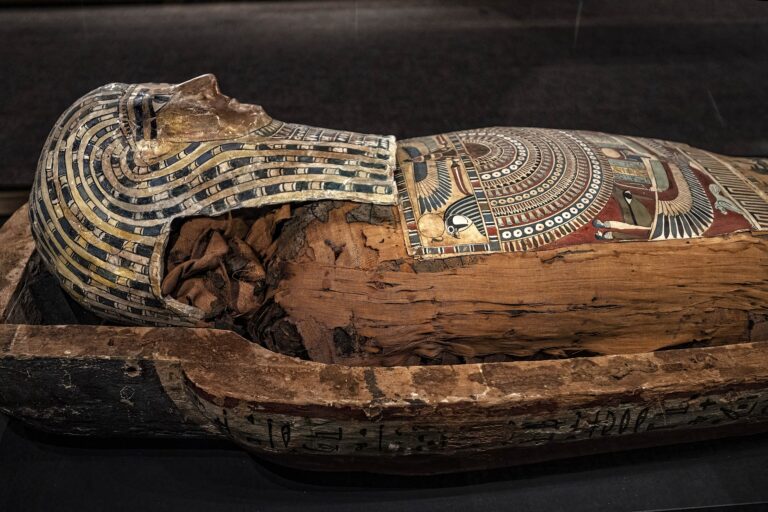
“It’s not hard to understand why our ancient ancestors might have created stories to explain and cope with the natural world that surrounded them,” writes Dr. William Brown.
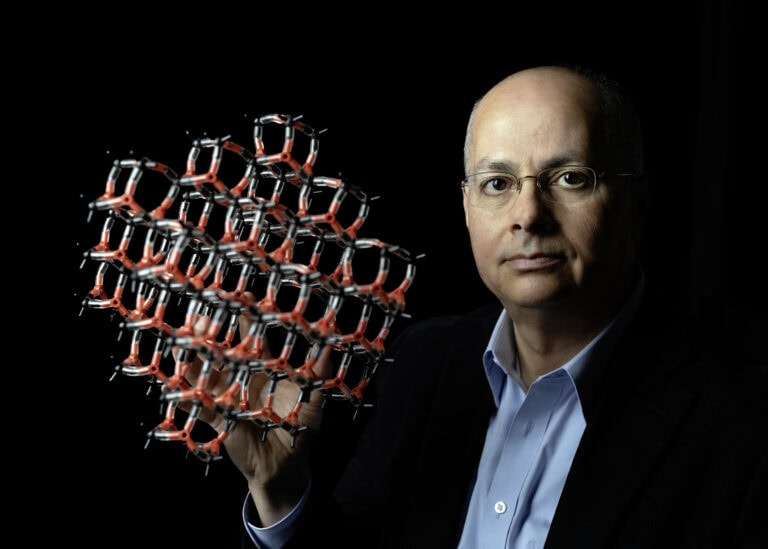
“Here was an example of the evolution of a novel technology in the hands of the three laureates in chemistry who reimagined how atoms and molecules might be arranged to the eventual advantage of humankind,” writes Dr. William Brown
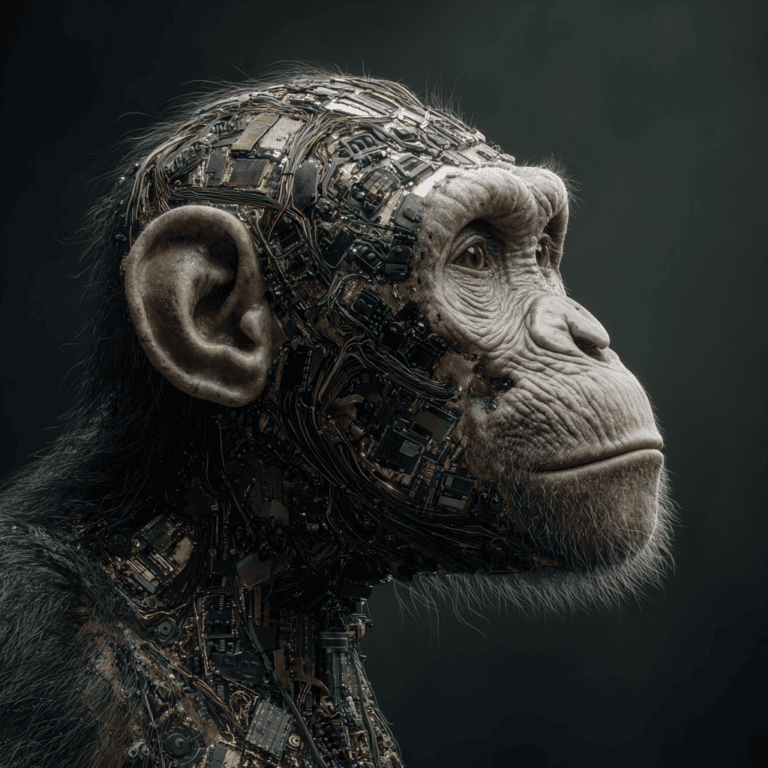
“AlphaFold2 was like a loyal grad student who learned under the tutelage of humans at Google — not human of course, but a student nontheless and perhaps deserving of a share in the prize,” writes Dr. William Brown.

“Sure, there are lots of shortcomings and even mistakes with AI, but given improving databases and computational methods, AI continues to rapidly evolve. The potential for AI to do so is enormous,” writes Dr. William Brown.
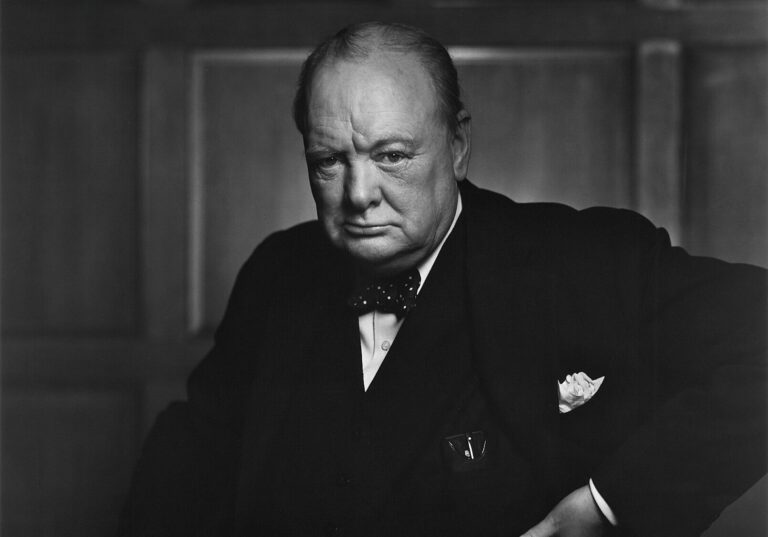
“Our fate is not dictated by the sum of all the diseases we develop in our lives, especially in the later decades of life,” writes Dr. William Brown.

“Over the last six years, I’ve witnessed their hard work, dedication and faithfulness to care for their charges much as they would their own. That’s been a privilege to witness first-hand, and never more so than in Jan’s last few days,” writes Dr. William Brown.

“Depending on the version, ChatGPT was trained on millions to trillions of times more data than was used in this simple model. That’s where ChatGPT gets its information and power,” writes Dr. William Brown.

“Is AI intelligent? Sure. It is, and becoming as intelligent or more than most humans. Is AI sentient? Not yet, but on the way. And it won’t be long,” writes Dr. William Brown.

“Diminishment, the loss of abilities which we take for granted … comes to all of us in different ways and times. It’s how we manage that diminishment that counts,” writes Dr. William Brown.
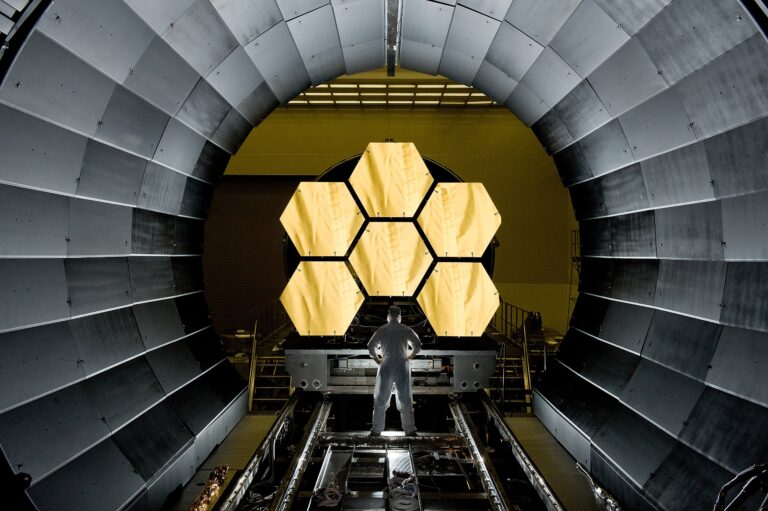
“All models are provisional and, even if based on the best data available, might have to change in the light of new evidence,” writes Dr. William Brown.
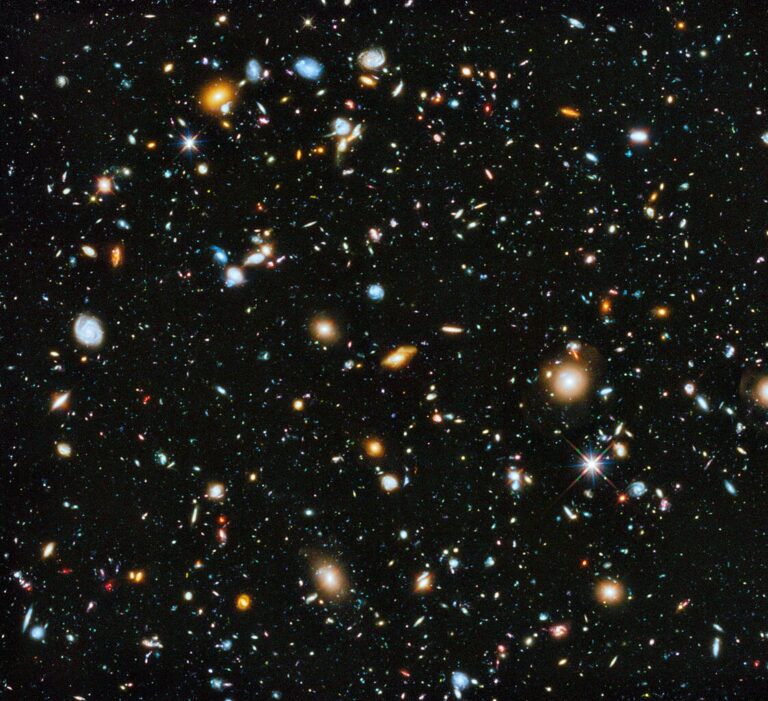
“Here, many billions of years later, was evidence of the radiation created in the Big Bang, now cooled to a few degrees above zero Kelvin and stretched by the expanding universe into the microwave range — what became known as the cosmic background radiation,” writes Dr. William Brown.
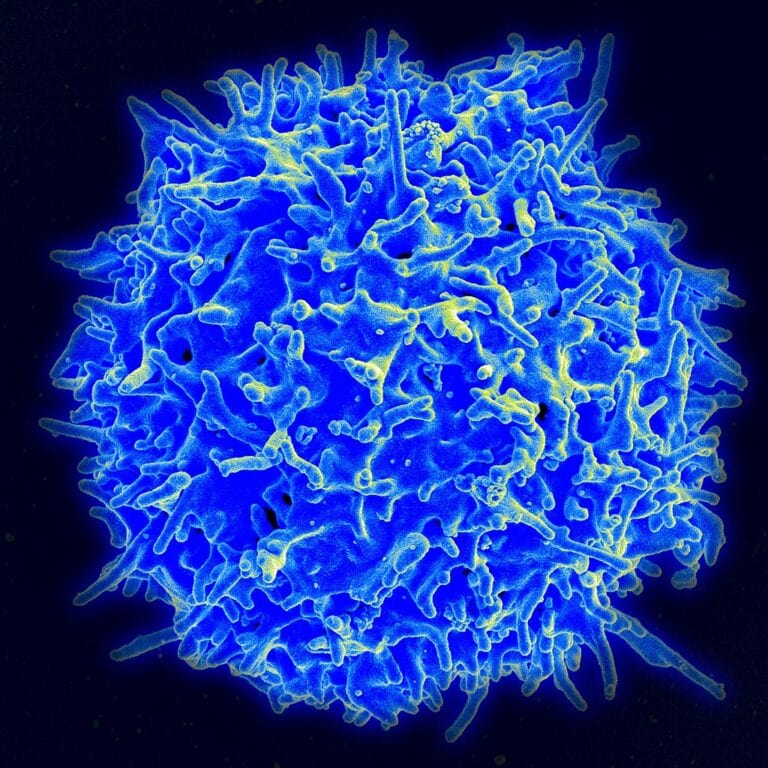
“This is a very solid story of science at its best, expressed in the imagination and dogged persistence of the three laureates,” writes Dr. William Brown, on this year’s winners of the Nobel Prize in medicine and their discoveries concerning how the immune system is kept in check.
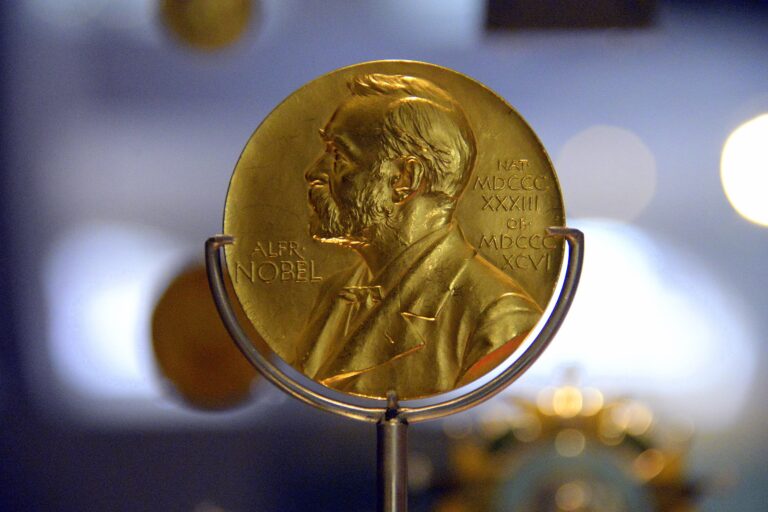
“The Nobel Prizes in the sciences began in 1901, and despite the emergence of a host of other worthy prizes in mathematics, engineering and recently the computer sciences, it remains the gold standard,” writes Dr. William Brown.

“In 2024, it was obvious just how powerful these computational programs could be for determining the 3D structure of a protein,” writes Dr. William Brown.


© All Rights Reserved, Niagara Now.