


A push to ease Niagara-on-the-Lake’s hefty policing bill is gaining ground, with the Niagara Police Service Board agreeing to help Niagara Region explore alternative ways to divide policing costs.
But regional councillor Andrea Kaiser says residents should expect to wait at least another two years for any tax relief.
Niagara divides policing costs among its 12 municipalities based on property assessments.
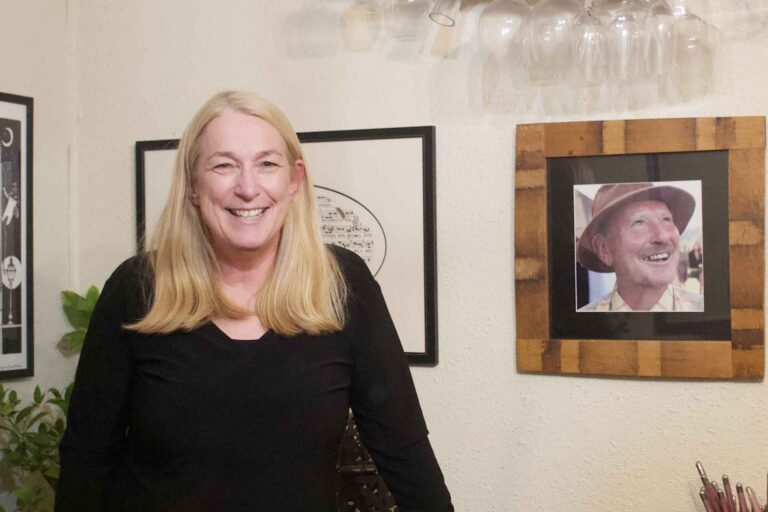
Kaiser said she began examining the system six months after being elected to regional council in October 2022. She argues it places a disproportionate burden on municipalities such as NOTL, where property values are relatively high.
According to figures Kaiser provided, policing costs based on average residential assessments in 2024 were approximately $786 per household in NOTL, compared with $255 in Welland and $458 in Grimsby.
In June 2025, regional council approved her motion calling for staff to examine alternatives to the current system.
Last month, the police board agreed to help the region explore other ways to divide policing costs among municipalities, including by sharing operational information and financial data.
That support advances a review. It does not approve a new formula or guarantee savings.
Changing how municipalities split policing costs could also require provincial approval, Kaiser said. In July, regional council supported seeking changes to provincial law to allow for alternative ways of dividing the bill.
As for what a new funding model could look like, Kaiser suggested basing part of each municipality’s police bill on property values and part on how many calls for police service it receives.
“This is just one idea to consider.”
Kaiser said other municipalities would have to make up the difference if NOTL paid less.
“That is why it is so significant that the resolution was passed and then also now supported by the police board,” she said.
She pointed to similar concerns about policing costs elsewhere in Ontario, including Peel Region, as another reason change may be possible.
Still, Kaiser cautioned that residents should not expect immediate tax relief.
“I would suggest it would realistically take at least another two years to see change in taxation impacts to residents,” she said.
“But I do believe it is possible within next term of council.”