


Falls are common in the later decades of life. A 2020 study in the New England Journal of Medicine reported that 32 per cent of elderly residents living in a community dwelling reported at least one fall per year and, for 10 per cent of residents, two or more falls per year. Not surprisingly, fractures or dislocations related to the falls were common.
For which falls, there are plenty of reasons, most related to age-related changes in the brain and neuromuscular system. For example, imaging studies such as MRI and CT scans often reveal ischemic white matter changes and small strokes in 10 to 25 per cent of those in their 70s and double that or more for those in their 80s.
Those changes in the brain, and their related losses of nerve cells and their connections, probably explain most age-related impairments in walking, balance, vision and cognition that are so common in the later decades of life.
Common age-related losses in muscle fibers and strength, coupled with losses of sensory receptors in muscles and the peripheral and central vestibular systems, only make matters worse.
The changes are obvious: the elderly move slower with less confidence and if they do trip up, are more likely to fall and injure themselves. In short, life is riskier for the elderly and one of several reasons why so many in later life elect to enter some form of long-term care facility in their 70s and 80s, where they can live in a safer and well-lit environment without the need to use stairs and live in close proximity to others of like age.
Life at home is often riskier because of the need in many homes to use stairs and poorly lit areas with cluttered, sometimes slippery floors. A big problem for many in their 70s and beyond are medications, such as antihypertensive drugs, sleeping medications and benzodiazepines, one or all of which, though well-tolerated in earlier decades, increase the risk of falling in later decades. Ditto for alcoholic beverages.
The risk for falls can be reduced with a continuing clinical assessments to see what the risks are for each person given their health, fitness and medications, and changing the environment to a lower risk setting by improving lighting, getting rid of risky carpets, using canes, or sometimes walkers as assists for navigating indoors and outdoors as necessary. They all help, but don’t reduce the risk of falling to zero.
Staying fit is very important, especially in later decades, because of the risk of falling. My sister was very mobile socially and physically, until she climbed a ladder trying to fix an outdoor light, fell and broke her hip and weeks later had a fatal pulmonary embolus — all linked to falling off a ladder, which she probably used countless times before.
The trouble is that in the later decades, risks such as falls, for whatever reasons, strike out of the blue for someone used to the same stairs or ladder. One key to reducing the risk of falling is to maintain your physical fitness including exercises to improve core and limb strength, as well as balance.
Readers might want to look at an article titled “6 Exercises Physical Therapists Wish Everyone Did to Age Well” by Danielle Friedman in the Aug. 15 edition of the New York Times, where several exercise routines were highlighted that were designed to improve balance and intended to be coupled with core muscle training, known to be is so important for general fitness and balance.
I’m 87 and, so far, reasonably fit, what with a lot of biking and core exercises, but I intend to incorporate several of those exercises described by the Times in my routine.
What I haven’t been so good at is assessing my own sense of balance — I’m not alone in that. Most people my age don’t know how impaired their balance is.
For example, how long can you stand on one leg with your eyes open? If you are in your 70s or 80s, most can stand on one leg for at least 30 seconds before they have to put the other foot down. Or, try the same exercise with both eyes shut. With my eyes open, I can stand on one leg for 40 to 60 seconds with the odd wobble, but no better than 20 seconds or less with my eyes shut.
For comparison, my 17-year-old grandson can stand on one leg seemingly forever with his eyes open and one leg with both eyes shut for several minutes before he gets bored.
If you think those tests are irrelevant, consider initially standing on one leg while getting out of bed at night or walking to the bathroom with little light. Readers get the picture — our balance becomes more problematic especially in the later decades of life.
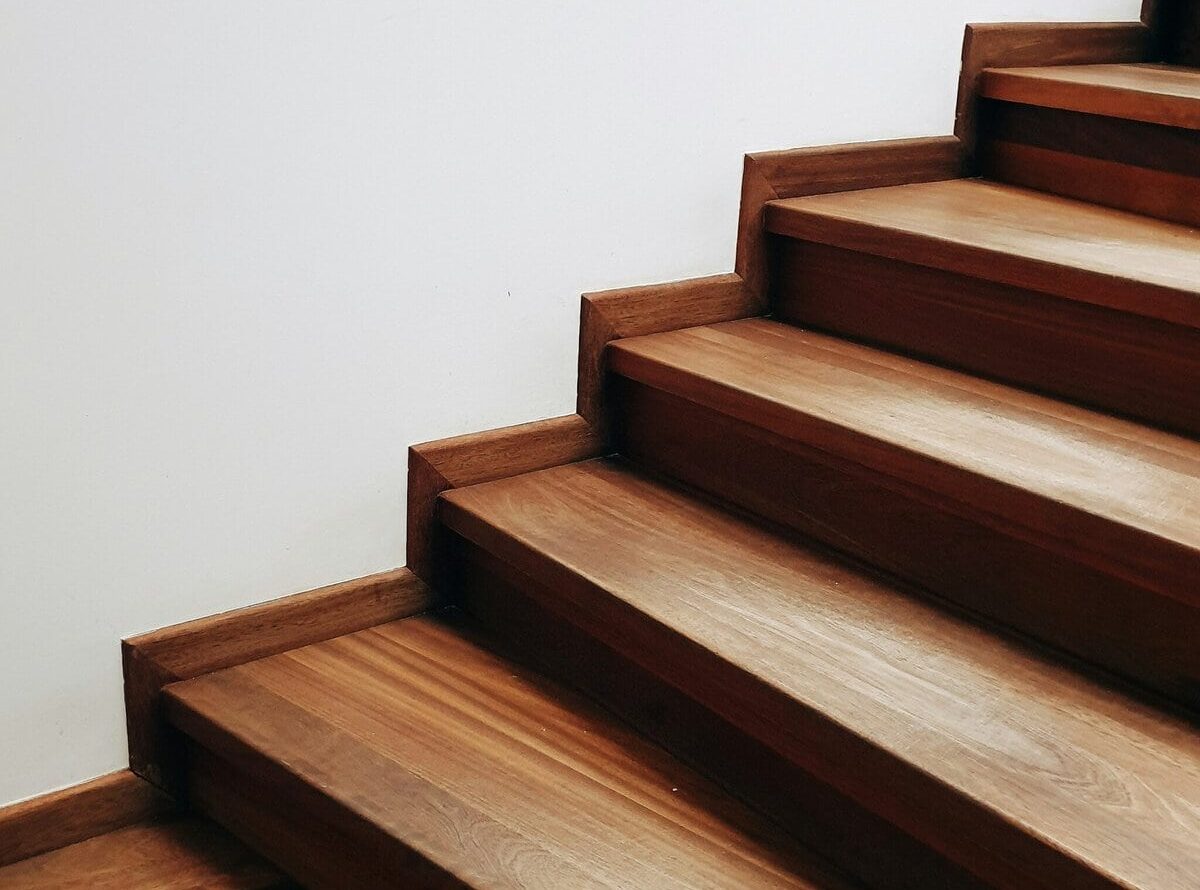
One of the most important must-dos is to assess the space in which you live for risks of falling — getting in and out of bathtubs and showers, climbing and especially descending stairs as well as hazards on floors that might trip you up, are all obvious ones.
Most people are well aware of the risk of falls associated with aging, but many aren’t as intentional as they need to be in reducing obvious risks for falling in their home and staying physically fit.
Dr. William Brown is a professor of neurology at McMaster University and co-founder of the InfoHealth series at the Niagara-on-the-Lake Public Library.