


THE ART OF GOLF AND OTHER NONSENSICAL THINGS and PERFECT PAIRINGS
Artists’ Village, Burton Centre for Lifelong Creativity.
I confess to never falling under the spell of golf. I tried, but failed to find the magic, the passion, the dedication to be a “dewsweeper” on a pre-determined route over the links, in weather fair or foul, to hit a wee white ball into a cup.
Such time was certain to be better spent birding or tucked into a comfy chair, chilled glass of delectable grape at hand, reading P.G. Wodehouse. I then discovered how misguided, judgmental and uninformed I was.
Wodehouse was knowledgeable and passionate about golf. Besides Bertie Wooster and Jeeves, Lord Emsworth and his Empress of Blandings, Gussie Fink-Nottle and the melting eyes and cooing voice of Madeline Bassett was another memorable character. This was “The Old Member,” he of any number of golf clubs, quietly observant and sage advisor to those smitten by love and golf, neither easily attained.
Elin Woodger of the Wodehouse Society spoke of Wodehouse’s lifelong love of golf and the many witty books that resulted including “The Clipping of Cuthbert,” “Ordeal by Golf,” “The Magic Plus-Fours” and “Heart of a Goof.” In these stories and others compiled in the “Golf Omnibus,” we learn the language of golf’s golden age of the 1920s and 1930s.
There are niblicks, a heavy wood-headed golf club similar to a modern pitching or sand wedge. The mashie is an iron head with moderate loft equivalent to a modern five-iron. There are baffies, brassies, cleeks and spoons. Archaic featheries, golf balls made of chicken or goose feathers, phased out by gutta-percha balls, in turn replaced by rubber-core balls.
The Wodehouse test of a great golfer is “the ability to recover from a bad start and get a couple of birdies right away.” If unsuccessful, the resulting dejection is “the walk of the overwrought soul.” One can rise from the depths but just when one thinks “I’m done,” golf pulls one back in.
Matters of etiquette, rules and styles of play inform. To Wodehouse, the only way to really find a true character is to play golf with him. Some players waggle and waggle some more as they ponder the next drive or putt.
“The wrecking crew” of every golf club is a foursome of respectable, retired businessmen who take up golf late in life on orders of their doctors to get air and exercise. They are slow, lose balls, don’t allow singles through and don’t know the rules.
Human nature being what it is, there are the gabbers who don’t shut up, the swearers, the club throwers and alas, the cheaters.
Golf is humbling: “Men capable of governing empires fail to control a small, white ball.” One must preserve composure and self-control, avoid attitude, behave calmly and with effortless dignity, and always remember to “play the ball where it lies.”
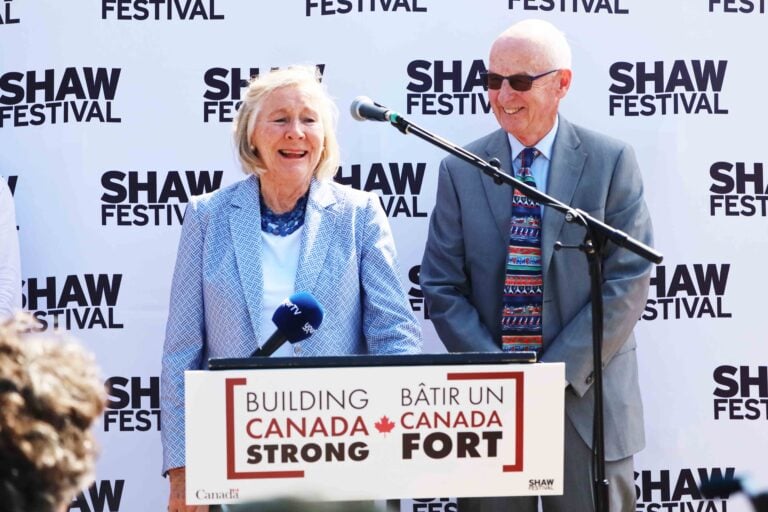
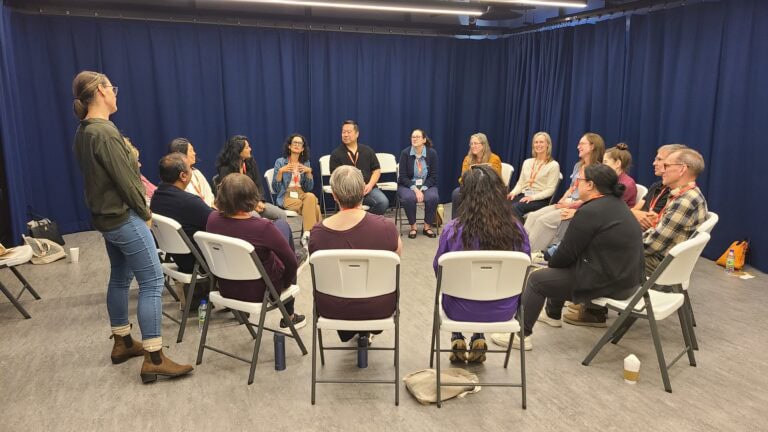
Two devotees of the game, vice-president Stan Lapidus and secretary Lorne Emery from the Golf Historical Society of Canada, brought antique hickory golf clubs and classic steel clubs to the Shaw’s “The Art of Golf and other Nonsensical Things” to show and share their passion for the history of the sport and the society’s role in preserving, restoring and bringing golf’s past to life.
Modern golf is said to have originated in the 15th century in Scotland and was brought to Canada by Scottish immigrants in the 19th century. The first club was the Montreal Golf Club, established in 1873. Niagaraon-the-Lake has the oldest continuing golf course in North America, having been established in 1875 by wealthy Americans residing in our town.
Another event, “Perfect Pairings,” seemed a natural pairing with Wodehouse, as he loved theatre and was a successful writer of musical comedies on Broadway from 1906 through to the 1920s. He worked with Jerome Kern and was known for his sophisticated lyrics.
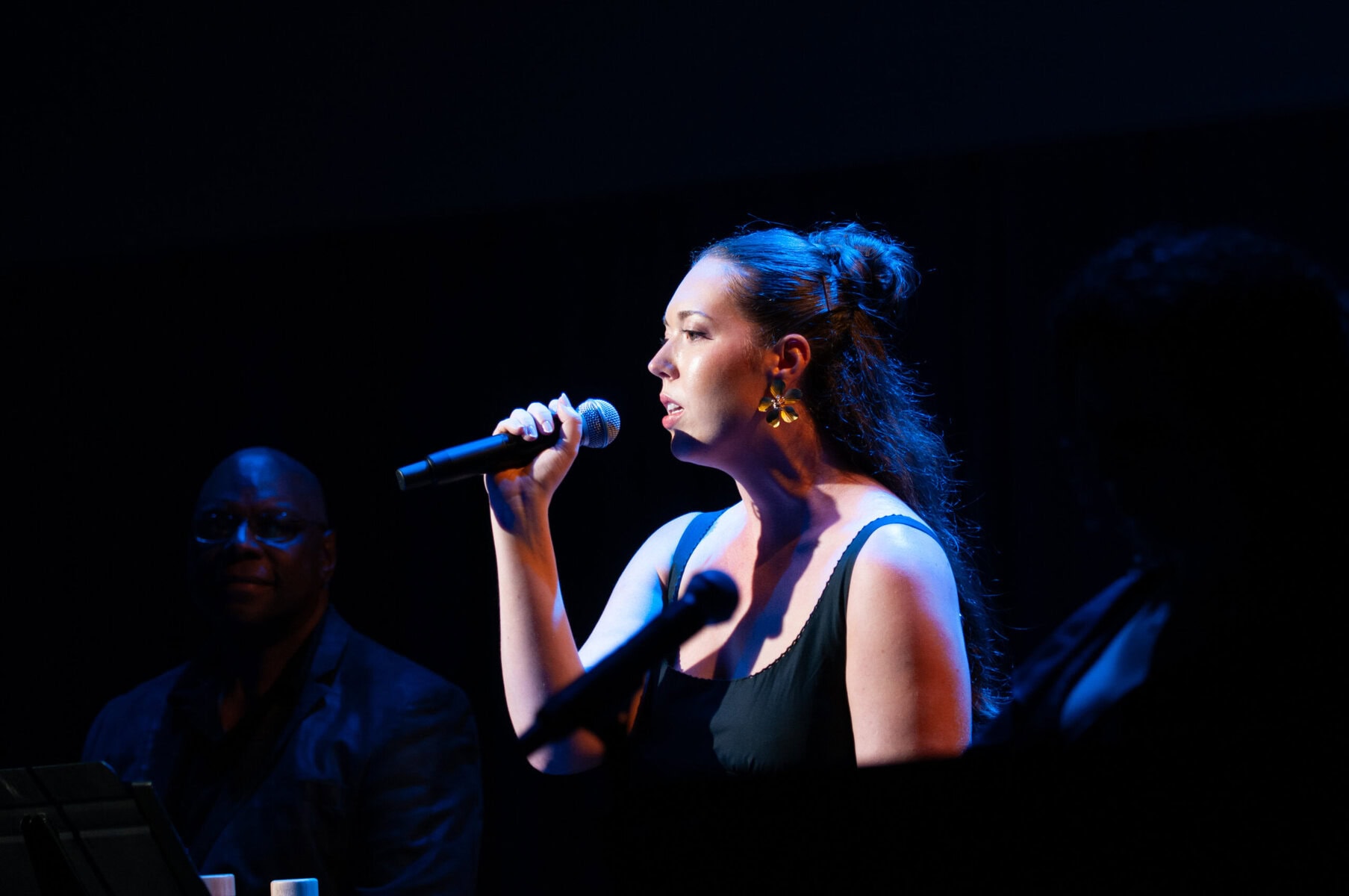
“Perfect Pairings” is a concert series directed by Kimberley Rampersad that began with the associate music director, Ryan deSouza. Nine actors and music interns are included in a three-part series of musical selections drawn from three teams of composers and lyricists.
The first pairing highlighted music of Kander & Ebb including “Coffee in a Cardboard Cup” from “70, Girls, 70,” “Razzle Dazzle” from “Chicago” and a very spirited “New York, New York” sung by Alana Bridgewater, Élodie Gillett and Éamon Stokes in different languages one might hear in New York.
The performance was enthusiastically received. Future pairings will include the compositions of Ahrens & Flaherty and Webber & Rice.
Penny-Lynn Cookson is an arts and culture historian, writer and lecturer living in Niagara-on-the-Lake.