


On a warm May morning, around 9:30 a.m., Louisa Ibbotson received a phone call no pet owner ever hopes to receive.
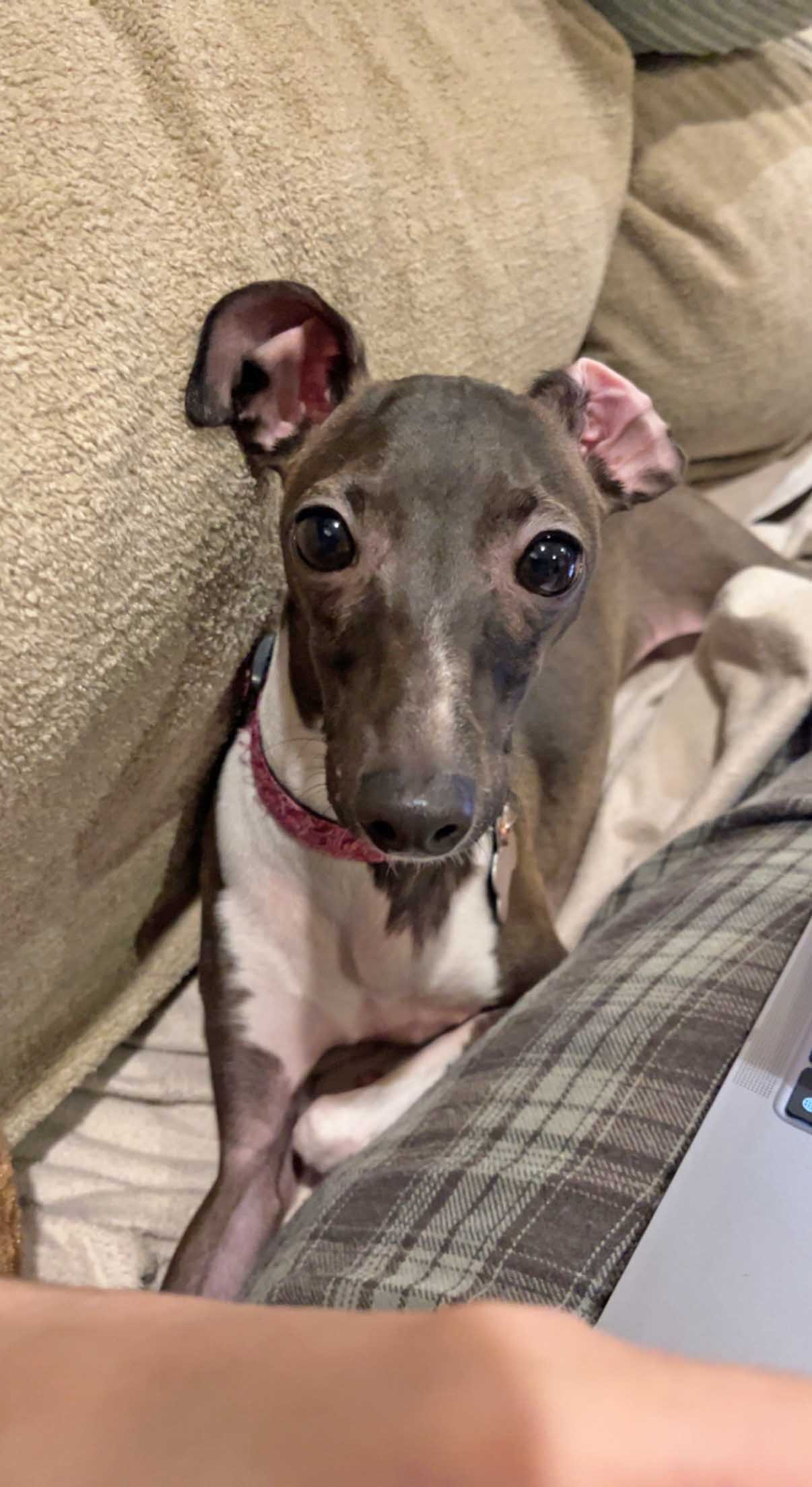
The person on the other line told her that her small Italian Greyhound, Luna, had escaped.
Since then, Ibbotson’s family and a team of volunteers have been searching for the small, four-year-old dog, who has been spotted by multiple people around town but hasn’t successfully been caught and taken back home.
She describes Luna as a dog who likes to sit on laps and get under blankets, but still acts like a playful pup. This is why her months-long survival in nature came as a surprise.
The search, now in its eighth week, has been “devastating” and “terrible” for Ibbotson and her family, especially for her mom, who relies on Luna after losing her sight.
The silver lining, Ibbotson says, is the dedication and compassion she’s witnessed from the search team.
“Everybody’s been super kind, and that’s because the only way we’re going to get the dog is through sightings. I know it’s a lot to ask of people, but they’ve really gone above and beyond,” she said. “It really gives you a sort of faith in humanity.”
The team behind the quest is Ken Price’s “Dream Team,” a group of volunteers who are on-call around the clock, ready to hurry to a sighting location any time of day or night.
The Dream Team, a not-for-profit Price started more than 12 years ago, uses various tools to rescue lost dogs.
Reported sightings are used to draw a rough map of where Luna may be hiding, which currently has an area of around 13 square kilometres. It’s in this zone where drones are used to survey the land from a bird’s-eye view, thermal cameras to discover hiding spots that conceal Luna from the sky, as well as carefully designed traps to lure her in.
“In the traps we have food … we have urine from another dog that [she’s] bonded with; we also have the owner’s socks in the trap for scent,” said Jaime Renner, a member of the search team.
These details are meant to evoke what Price calls “air bubbles,” or information that gets pushed to the dog’s subconscious when they enter a wild state, also known as fear-flight.
This personality switch that happens when domesticated animals enter a feral environment separates the dog from its usual self. In Renner’s words, trying to catch a dog in fear-flight is like trying to catch a fox.
“The dog doesn’t remember who they are anymore, but whenever they get a smell, the scent always gets through the fear-flight enough that the dog would say, ‘Wait a minute, I know that scent,’” Price said.
With Ibbotson’s clothing and the scent of the family’s other dog, a miniature schnauzer named Maggie, the team is trying to bring air bubbles to the surface to snap Luna out of fear-flight.
But reuniting a wild animal with its domestic personality takes more than personalized traps and 24-hour surveillance; more than anything, it takes patience. A wild animal prioritizes survival above all else, which can turn family to predators in their eyes.
At the scene of a sighting, Price says the team will instruct the owner to sit on the ground about 20 feet away from the dog and wait, sometimes for minutes, sometimes for hours. And if the dog starts to approach, anything but silence and stillness may cause them to bolt again.
“The owner’s scent or visual is not going to do anything right away; the dog has no idea who their owner is,” he said. “The dog says, ‘Wait a minute, I know the smell of this predator, why do I know the smell of this predator?’ That scent makes them curious and makes those air bubbles happen.”
This process can be difficult for owners, Price added, who are used to their pets running up to them right away.
This natural fear of predators is why trying to chase and catch Luna does more harm than good. In her eyes, a person walking toward her is a predator hunting its prey.
“People have made eye contact and she’s taken off. They’ve tried to call her and she’s taken off. Some have tried to catch her and she’s taken off,” Renner said. “They must pretend they didn’t see her. Look the opposite way, but try and see which direction she’s going.”
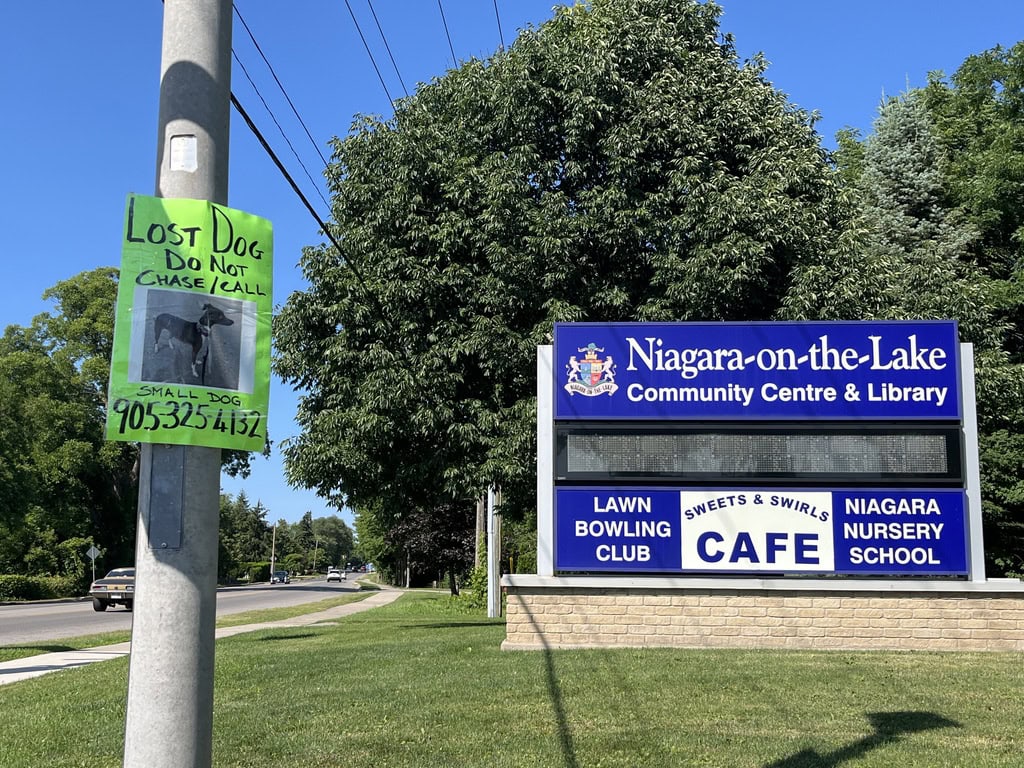
Still, the team says all reports of sightings are appreciated. The next step, though, is spreading the word that the search is still ongoing. Ibbotson said some people are taking down the signs, possibly because they think the search is over.
“It’s upsetting because it’s very time-consuming putting them up, but I mean there’s been so many more people that have been just so kind and offered to help,” she said.
Luna is a 12-pound, short dog who has been away from home for months, which may cause assumptions the search has reached a natural conclusion. For this reason, Renner says it’s important to give dogs credit for their survival abilities.
“All of those couple of nights out in the bush, every little bit of wild dog DNA seems to kick in, and those dogs start to hunt,” she said.
For Ibbotson, Luna’s resilience brings light to a difficult situation.
“My daughter and I used to make fun of her and say she was just a spoiled lap dog, but my god, she’s survived in the wild this long,” he said. “We have a newfound respect for her.”
Although the search has stretched over the summer, Ibbotson says her family is hopeful Luna will make it home, thanks to the Dream Team. The challenge, she noted, is that she’s a small dog who can hide well.
“It’s been incredibly stressful … she’s kind of my mom’s comfort because she’s lost her sight, so of course we’re devastated by the situation,” she said. “(Maggie) is stressed. She’s not as bouncy as she normally is, you can tell she misses her.”
As the search continues, Price says Luna’s witnesses should continue reporting sightings but maintain distance to keep her from taking off.
“We just have to keep going and do what we’re doing,” Ibbotson said. “Even when we drive around, we see water bowls in people’s driveways … There’s so many instances of how kind people have been.”