




In 2021, Arden Patapoutian and David Julius shared the Nobel Prize in medicine for their elegant work on sensation — light touch-pressure sensation for Patapoutian and for Julius, temperature and pain sensation.
Their work was elegant because they linked the genes responsible for creating specific types of receptors that were uniquely sensitive to specific types of stimuli, which if the threshold for activation of the receptor was exceeded, generated electrical signals which were transmitted to related systems in the central nervous system.
For neurologists and neurosurgeons, testing sensation can be very helpful in sorting out which parts of the nervous system are affected, and the probable location of the responsible lesion(s). For example, lesions which affect the first sacral root (S1) — perhaps related to a disk protrusion at the L5-S1 level — are often associated with tingling and numbness in the lateral toes and side of the foot and sometimes the back of the calf.
That correlation between anatomy, physiology and pathology remains a powerful tool in the hands of knowledgeable examiners, as do examinations of other parts of the peripheral and central nervous systems, even in this era of high definition imaging studies, which too often see more than is relevant to the case at hand.
However, sensation is not limited to the parts of the nervous system accessible to the standard clinical neurological examination.
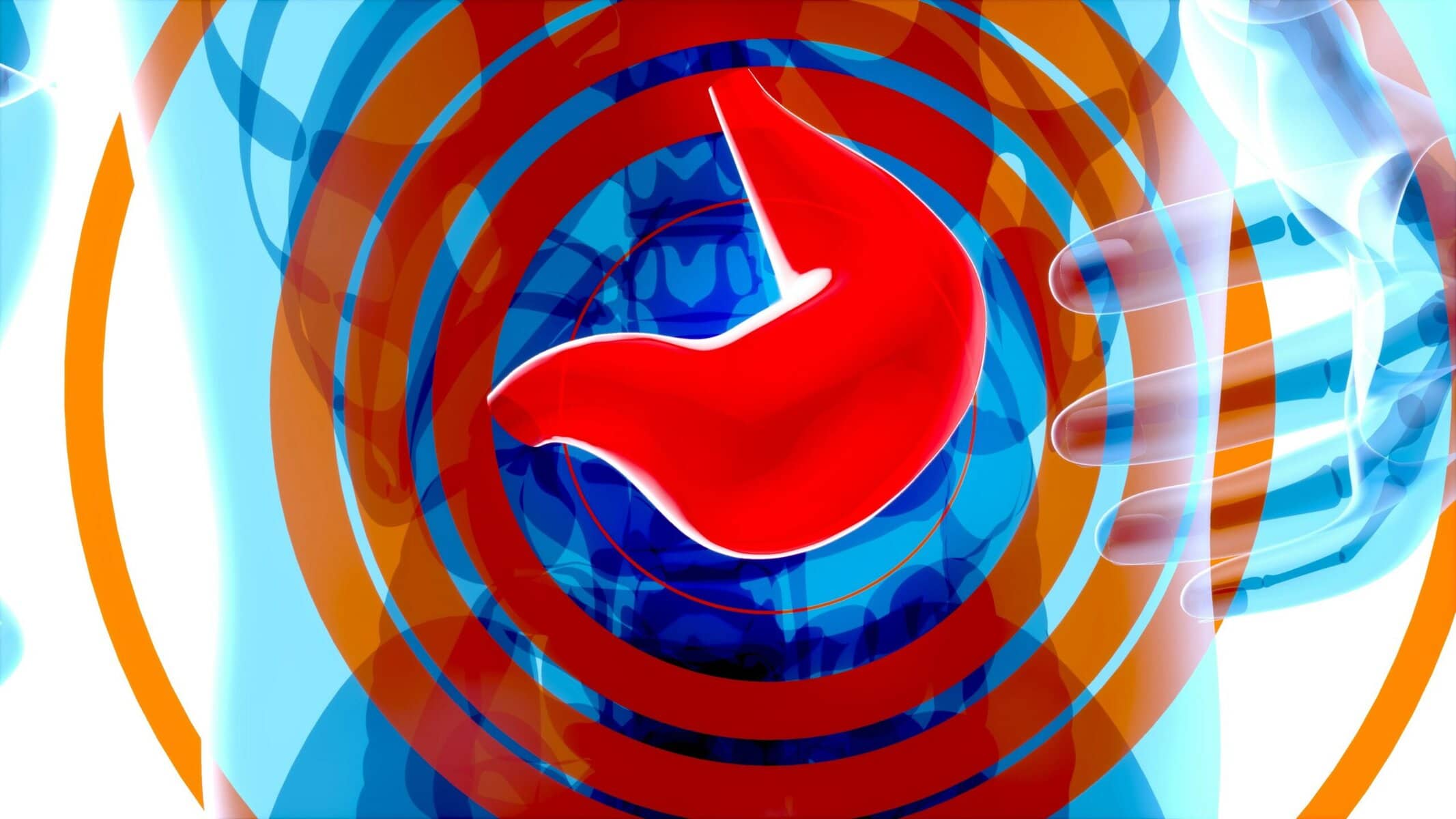
Most of the sensory and much of the motor system, for example, is hidden inside the body: for example, in the oesophagus, gastrointestinal track, genitourinary system, cardiovascular and respiratory systems, much of which involve peripheral and central components of the autonomic nervous system.
When everything works normally, we’re usually not aware of our heart, blood pressure and pulse or breathing, or, for example the transit of food and drink through our oesophagus and gastrointestinal system from stomach to anus or the urinary system — except when it comes to the urge to empty one or the other.
The activities of those systems are co-ordinated by the autonomic nervous system and all depend on receptors (enteroreceptors) to provide the necessary sensory feedback to the central nervous system about what’s happening in systems we’re scant aware of — until something goes wrong.
Much has changed these days. Smart watches and other portable devices can continuously monitor the quality of our sleep, our blood pressure, pulse rate, the electrical activity of the heart, respiratory rate, oxygen-saturation levels and even blood glucose levels but, so far, little information about what’s happening in our gastrointestinal track and related organs such as the liver, panaceas, spleen or kidneys.
When diseases affect these autonomically regulated and monitored systems, we know about it — especially if something like a ureter is blocked by a kidney stone or the bowel is distended or obstructed for some reason, or possibly we ate the wrong food or caught a virus, which affects the gastrointestinal system — and suffer the consequences.
It’s common enough when we’re worried or upset for our feelings to be accompanied by an increase in heart rate, perhaps even a skipped or extra beat, hyperventilation, skin turning pale or flushed, changes in the size of our pupils and even abdominal cramps.
But what if, as some scientists suggest, the opposite happens? False signalling from enteroreceptors in the gut, genitourinary system or other internal organs or tissues trigger unintended emotional changes.
That possibility was suggested in an article by Diana Kwon, titled “Signals from Within” in the January 2026 issue of Scientific American.
This hypothesis is an alternative to the common explanation for some visceral symptoms: we’re upset first, and whatever symptoms and changes ensue, are secondary to the emotional upset. Hence, manage the emotions first and any related somatic or autonomic symptoms should improve.
The trouble with that way of thinking is that managing emotions first sometimes doesn’t work and may miss significant physical problems that needs to be addressed.
But to return to the point raised by Diana Kwon — is there evidence that abnormal signalling from enteroreceptors triggers emotional changes? The answer is no — at least, not yet.
Indeed, one of the problems with the hypothesis is that most sensory receptors in internal organs have not been studied with anywhere near the same rigor Patapoutian and Julius applied so successfully several years ago in their studies of more accessible — and therefore, easier to study — receptors.
That doesn’t mean that Kwon is wrong. What it means is that supportive evidence is missing.
That’s the way of science: observation and hypothesis first, solid evidence second. That applies whether we’re talking about quantum physics, cosmology or, in this case, enteroreceptors and emotion. A gut feeling may not be enough.
Dr. William Brown is a professor of neurology at McMaster University and co-founder of the InfoHealth series at the Niagara-on-the-Lake Public Library.