



For years, I spent way too many hours as a passenger in a jet flying around the globe. Very early, particularly on flights spanning multiple time zones, I learned how to maximize sleep time to adjust my internal clock.
However, given that I need to average only about four to five hours sleep per day and many of the flights exceeded that, the rest of my time was devoted to reading.
For those who are young enough not to recall the days before laptops, this meant my carry-on was filled with hardcopy reports augmented by the newest publications on business theory; the latter to serve as a current lexicon to translate the latest buzzwords used by the consultants who authored many of those reports.
Thank God, architecture is far less susceptible to new catchy words and phrases, tending to be underwritten by expressions rooted in tradition.
Take, for instance, the term “architectural language” (as used at several junctures in our new heritage conservation district plan’s policies and guidelines) originated in the architectural theory of 18th-century France where it was described as “architecture parlante,” translating to “speaking architecture.”
The theory suggested that the forms, materials, scale, styles, etc., of buildings in a specific area communicate their purpose, identity and context, to function much like a language.
This understanding continued to evolve through the 19th century with British architect John Ruskin, for example, emphasizing that architectural design should use materials and styles reflective of the existing “spirit” of the surrounding district or neighbourhood — this “spirit” being a result of how the existing buildings and landscape combine to establish a unique local character.
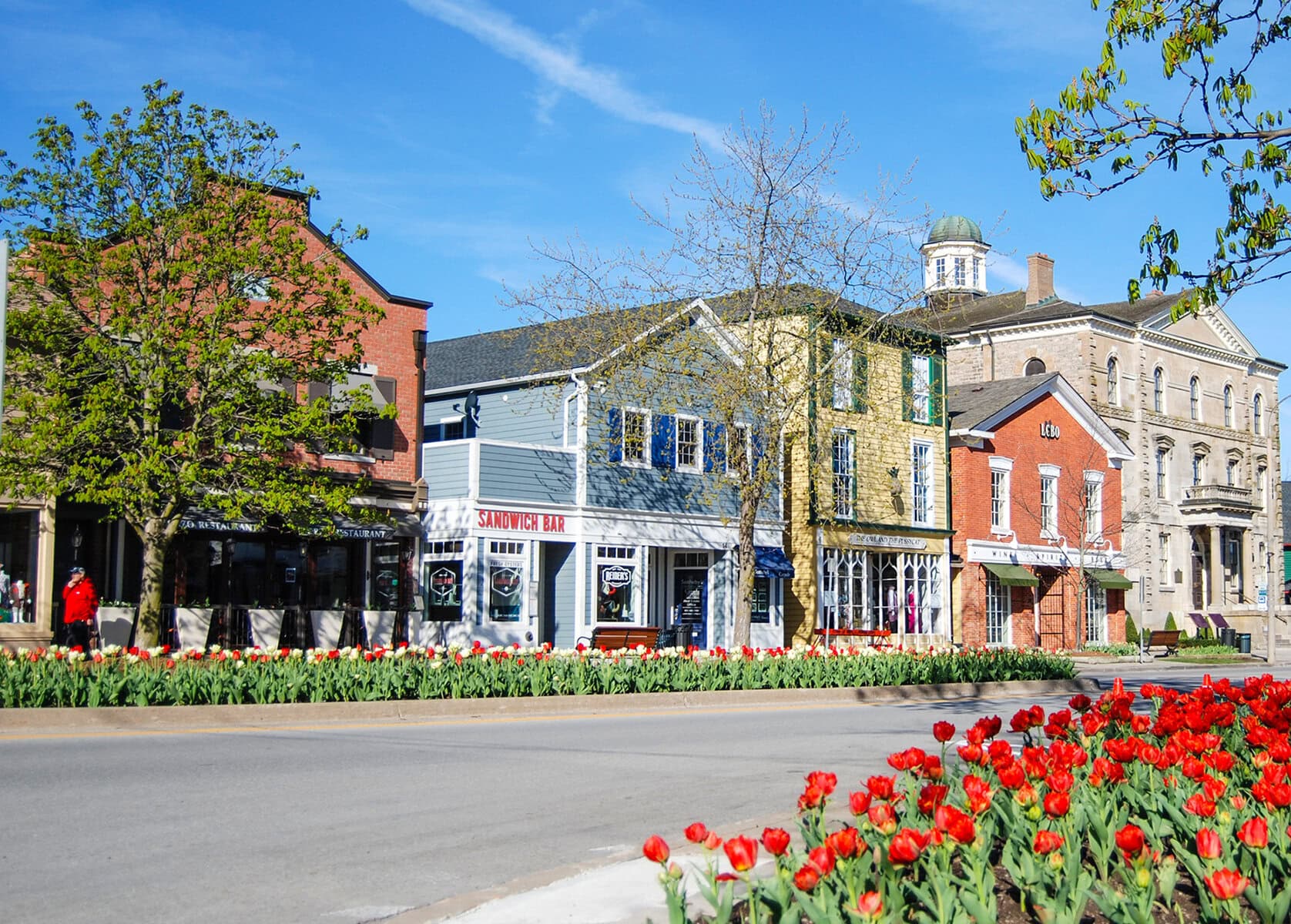
So, if we consider the built architecture of a defined area including, but not limited to, placement on the lots relative to the street and each other; scale, materials, building forms and styles; and decorative and detail elements, all set within established landscapes, it is possible to understand the unique, specific, cohesive architectural language of a character area.
That understanding is vital to guide change while preserving the area’s character.
Moreover, for those who plan on building or altering an existing dwelling within an established streetscape or neighbourhood, embracing that character and its sense of place is one of the fundamental keys to creating good architectural design in harmony with its surroundings.
That said, for those who are unfamiliar with some of the architectural terms I’ve used in this column, here are a few quick definitions.
An architectural “style” is a defined design classification distinguished by specific characteristics of structure and ornament that are in accordance with a set of criteria and parameters which have been established for each style. In Ontario, there are 23 distinct architectural styles and the Eclectics (a group of revival expressions).
“Form” is the building’s three-dimensional shape and configuration. Essentially, the form is the blank canvas upon which the details and decorations of a particular style are expressed.
For example, many Edwardian designs are based on an American foursquare form, while a ranch is based on a bungalow form.
“Materials” refer to all the physical substances that are assembled to create the building. For the purposes of understanding the architectural language of an area’s character, these are the substances you see on the exterior of the buildings.
We define “scale” as the size of a building relative to either being comfortable and proportional to the average human body (human scale) and/or, compatible and in-keeping with the surrounding buildings (contextual scale).
Typically, residential streetscapes and neighbourhoods are considered to be small scale; that is, fine-grained, intimate areas which are geared to human scale first and contextual scale second.
“Detail elements” are features such as rooflines (including roof type, slope, eave treatment, etc.), window treatments (size, style, placement, etc.), entrance details (door, surround, placement, etc.), and the treatment of facades including arrangement of openings and decorative design elements.
Using this information, if you go for a walk in your neighbourhood, look at the houses — what you’ll see on the streetscapes will begin to communicate its architectural language. Then, the building blocks of the area’s character will become self-evident.
I find it appalling that any architect worth their salt would not familiarize themselves with an area’s architectural language and character before putting a pen to paper in the design phase of a project. But that is what we have seen far too often of late.
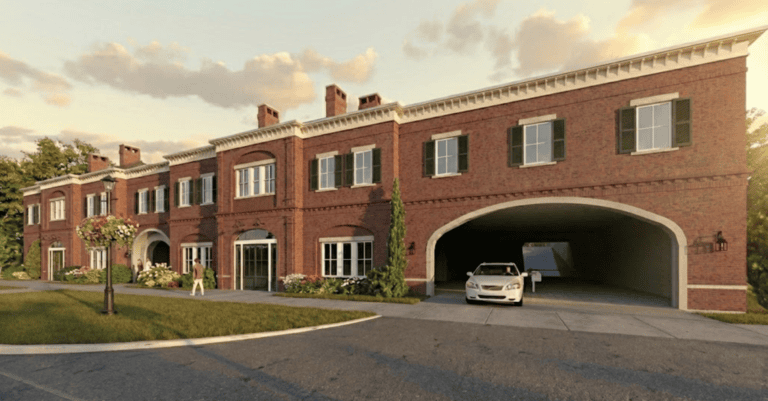
The proposed designs of the hotel on the Parliament Oak site and Shaw’s redevelopment of the Royal George (both of which have been granted exemptions from the provisions of the new heritage conservation district plan) are diametrically opposed to the architectural language and character of Old Town.
Both will radically damage that character — in the case of the Royal George, something that ERA Architects, acting as the town’s heritage planner, categorically attested to.
Similarly, on a smaller scale, the proposed garage addition off the facade of 187 Queen St. will do the same.
Apparently, where money talks, all good sense walks.
Brian Marshall is a NOTL realtor, author and expert consultant on architectural design, restoration and heritage.