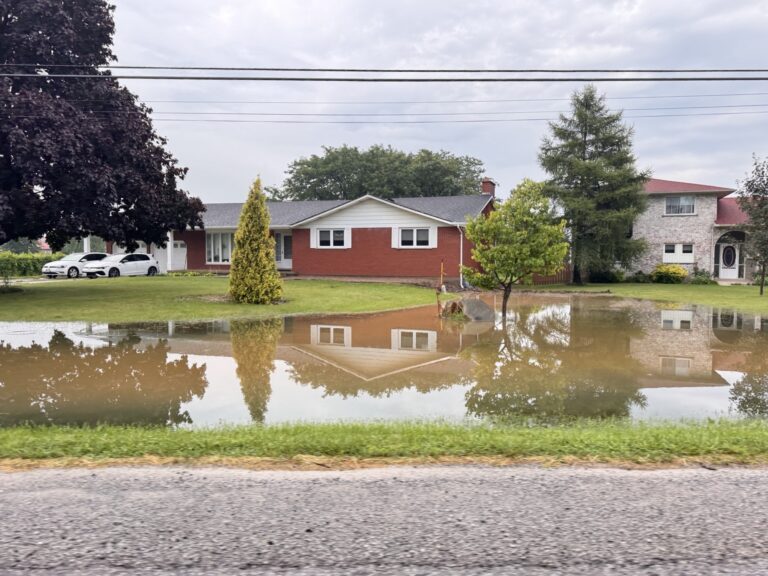

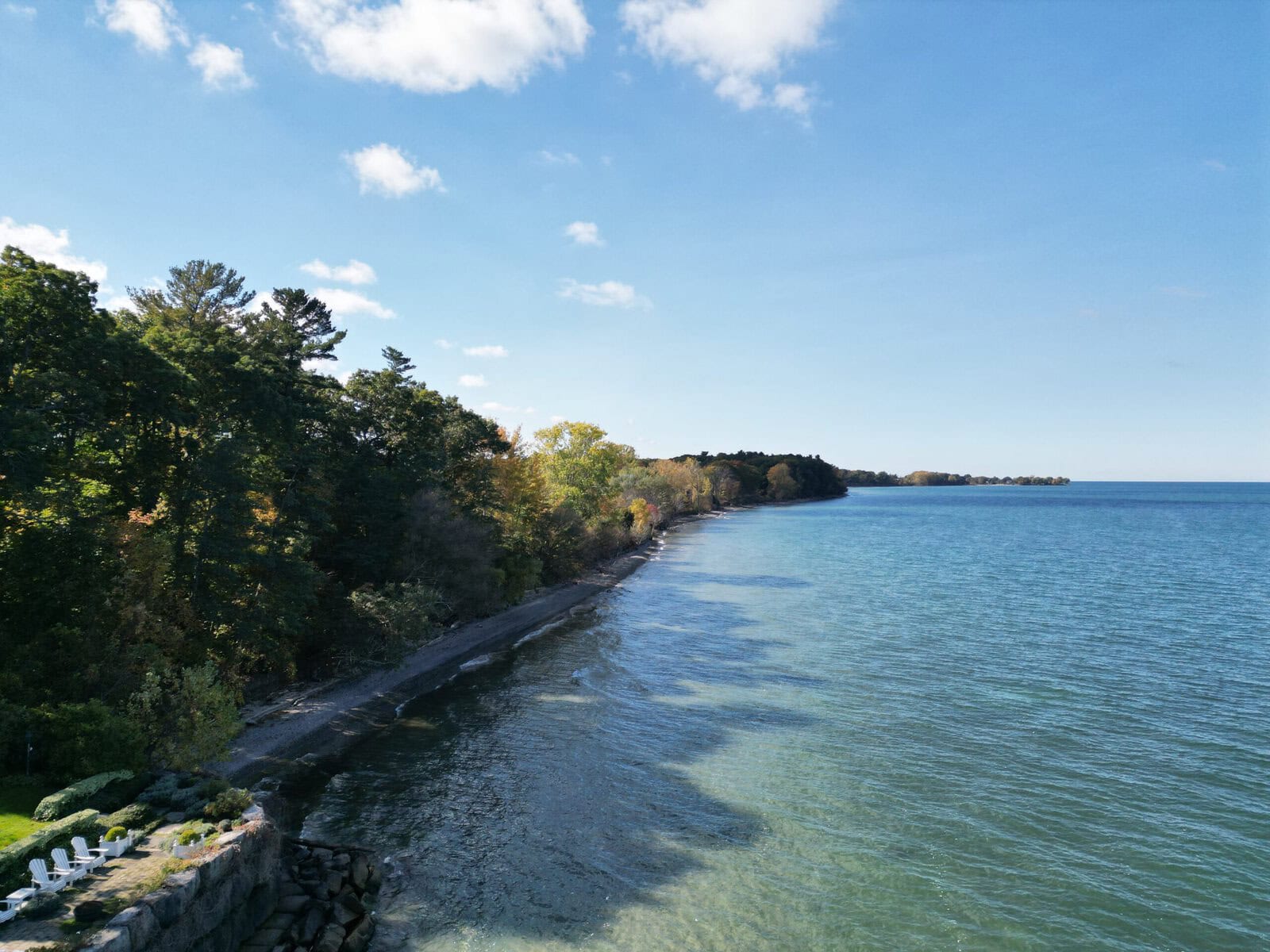


The shores of Lake Ontario may be beautiful, but over the years, it’s faced mounting problems with flooding and erosion — problems that climate change may worsen.
This week, the Niagara Peninsula Conservation Authority is inviting Niagara residents to learn how everyone can prepare for escalating issues like these in the future — including in Niagara-on-the-Lake, one of many communities in Ontario situated right beside the lake.
The conservation authority is hosting two open houses on Thursday, Nov. 19, one in St. Catharines and another in Grimsby.
In NOTL, key concerns related to the lake’s shoreline include erosion, high lake levels, wave action and coastal flooding, particularly during major storms, says Brendan Buggeln, the conservation authority’s manager of natural hazard management and resiliency
All this can affect waterfront properties, damage shoreline protection structures, contribute to land being lost and prove a challenge for public access and infrastructure along the lake.
What’s more, he said, these risks may change in the future: higher water levels and stronger storms can put more pressure on already vulnerable areas, while erosion can reduce the protection shorelines provide.
Lake Ontario’s water levels were a cause for particular concern in 2017 and 2019 — in June 2019, the water level reached a record high of 76.03 metres.
It hasn’t surpassed this record since then, but levels have remained high: this past year, its June peak was 75.39 metres. Open Data Canada reported that this September, the lake’s water level was 40 centimetres above its average for the month.
Erosion’s also been a notable issue, including for Niagara Shores Park in NOTL: The Lake Report covered the issue in a special edition on Aug. 29, 2019, “Falling Into The Lake.” At the time, its investigation found that since 1950, the park has lost 90 metres of its shoreline.
The goal with the conservation authority’s work on this issue, under the Lake Ontario Coastal Resilience Pilot Project, is to figure out a plan to reduce risks to people, property and infrastructure along the shoreline.
For NOTL and neighbouring communities, this will involve coastal hazard mapping, looking at how potential risks could change over time using predictions for future climate conditions.
This past January, Niagara Peninsula Conservation Authority struck an agreement with Parks Canada, which owns Niagara Shores Park, which allows the conservation authority to manage the park until 2031.
This management will involve finding and implementing solutions to reduce shoreline hazards, along with taking care of environmental impacts, visitor needs and public safety.
Those interested in attending an open house on Nov. 19 can stop by anytime during the open hours: in St. Catharines, from 2 to 4:30 p.m. at the Port Dalhousie Lions Club, and in Grimsby, from 6 to 8:30 p.m. at the Elizabeth Street Pumphouse.