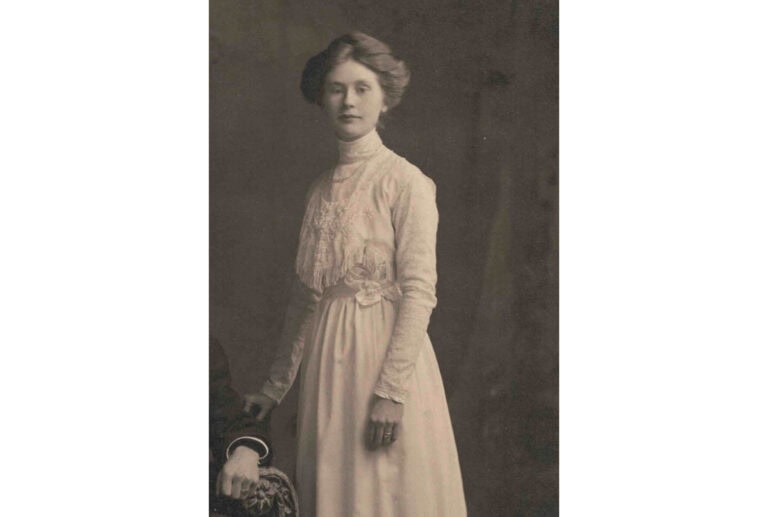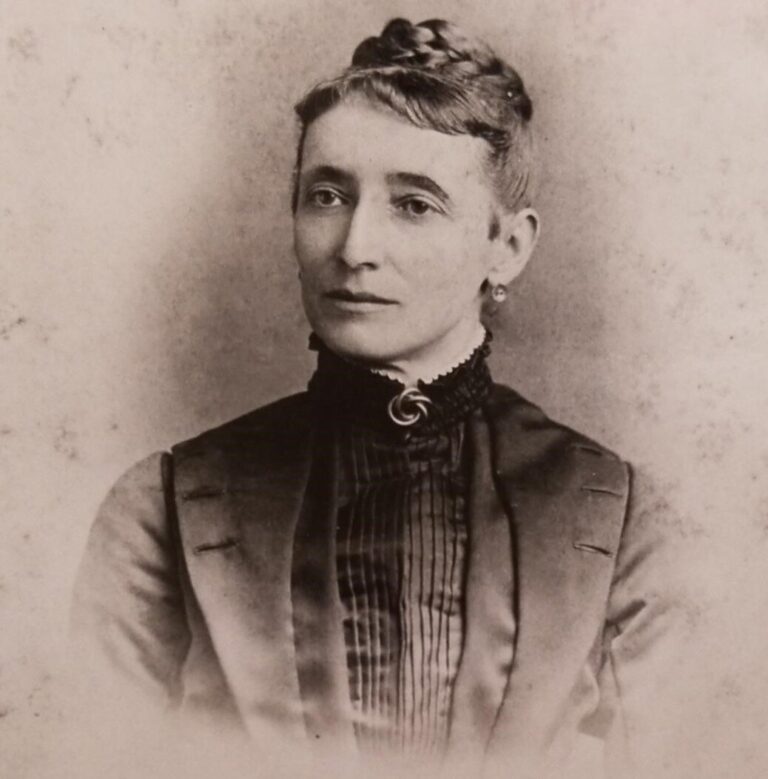

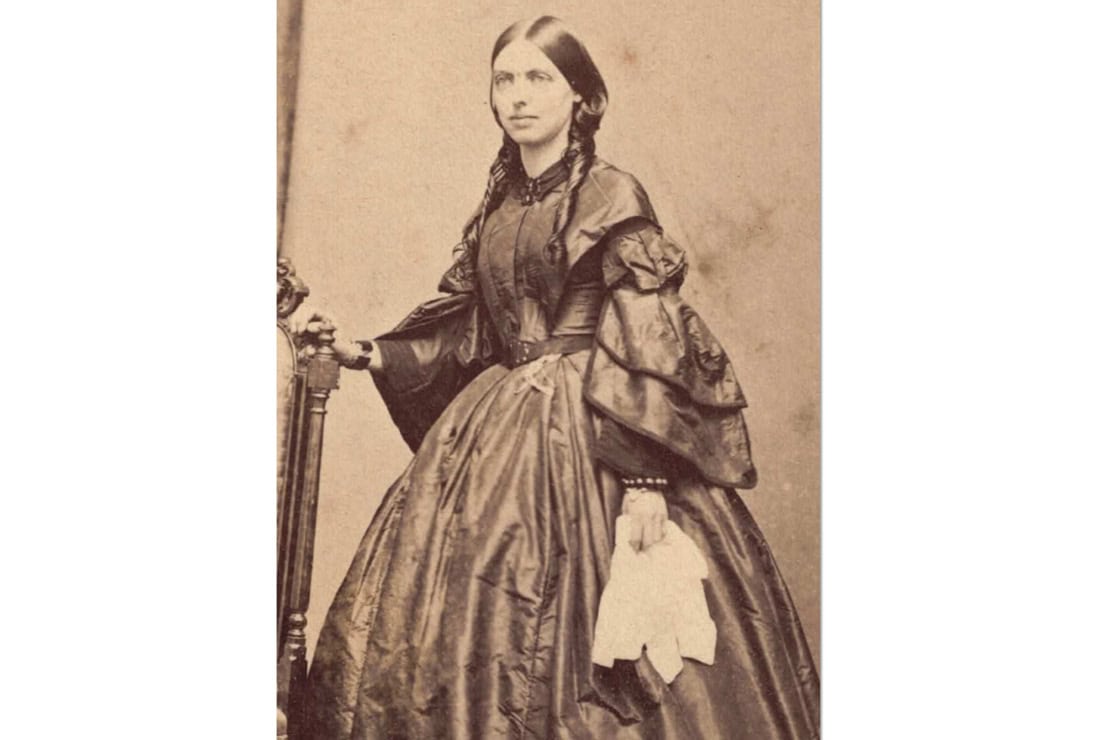


Born in Niagara-on-the-Lake in 1833, Kate Crooks was a pioneering botanist whose work reached far beyond Niagara. In 1861, she joined the Botanical Society of Canada, which welcomed women as equal members. She collected roughly 500 botanical specimens from southwestern Ontario and her collection was exhibited at the 1862 International Exhibition in London, England. Today, only one specimen attributed to Kate is known to survive: a cutting of rosepink, a plant now considered locally extinct in Ontario. Kate’s legacy also extends to women’s rights. After her death in 1871, a dispute over her will helped expose the limits of married women’s property rights. Her cousin, Adam Crooks, helped bring about Ontario’s Married Women’s Real Estate Act, passed in 1873, which expanded married women’s control over their own property. Though much of her work has been forgotten, Kate left a lasting mark on both the scientific history of Niagara and the fight for women’s rights.