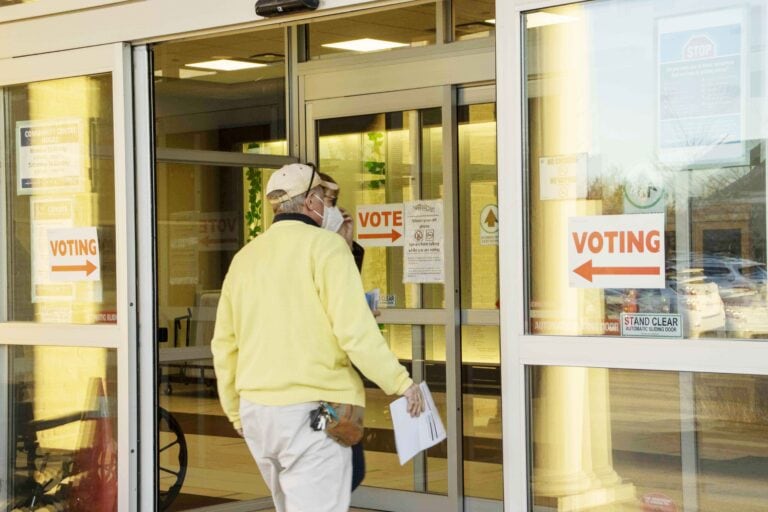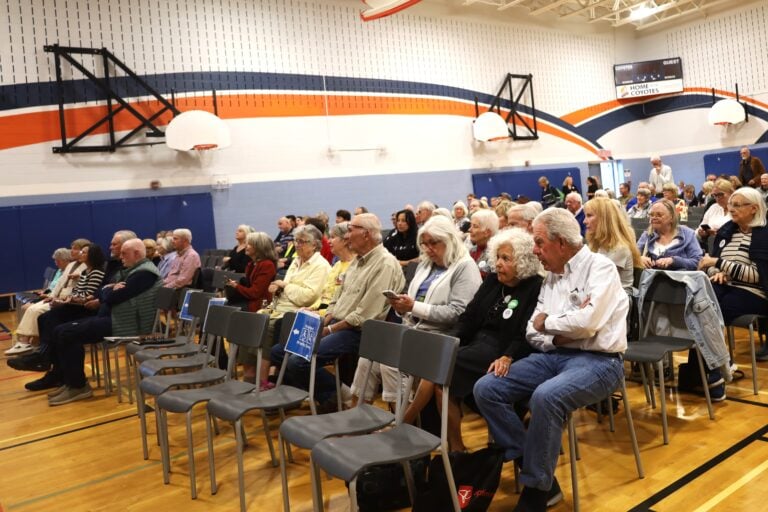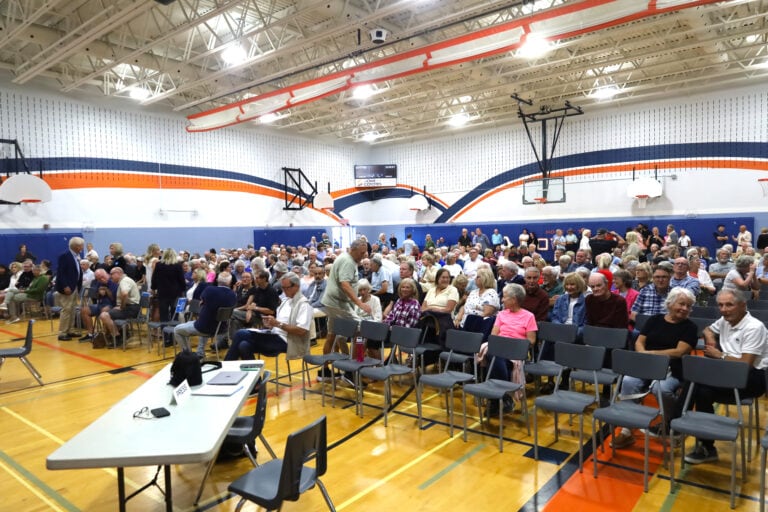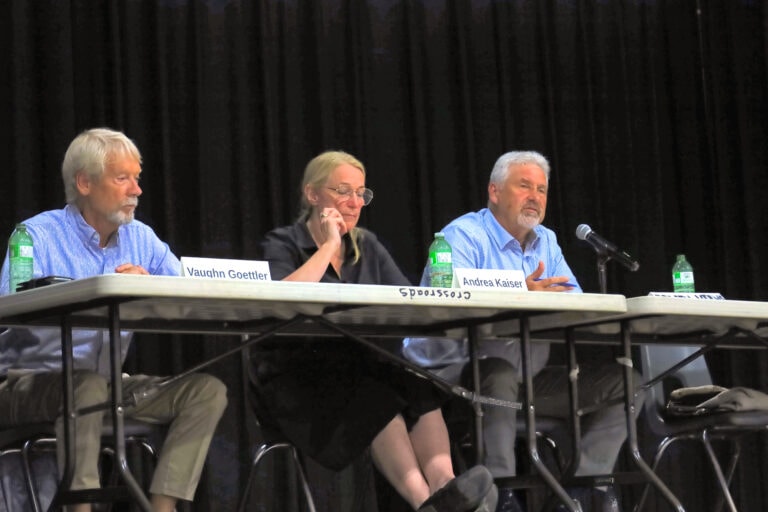




One new mayor, four new councillors and 1,452 days later, many of the issues facing Niagara-on-the-Lake voters in 2022 remain concerns ahead of this year’s municipal election.
In its Oct. 13, 2022 election edition, The Lake Report outlined the top issues facing voters, including regional taxes, overdevelopment, tourism management and transparency.
The regional tax portion topped the list, with residents concerned about the high taxes they pay compared to what they receive in return.
Overdevelopment in residential areas was another major concern. Residents wanted council to take their concerns to the provincial level to help protect historic areas.
Other issues included a tourism plan addressing parking and traffic, a stop to short-term rentals and the exploitation of neighbourhoods, and better management of tax dollars.
Transparency also featured prominently, particularly the ban on town staff speaking to media without going through the communications department. The Lake Report urged the town’s chief administrative officer and communications team to be more transparent.
Four years later, many of those same concerns remain part of the conversation.
Ahead of the Oct. 26 municipal election, The Lake Report asked residents about their priorities for the next council.
Development again emerged as a leading concern, with residents expressing unhappiness with the Parliament Oak hotel and a proposed hotel at the Rand Estate.
The Parliament Oak hotel was proposed in 2023 and approved by council in June 2024. Construction began in late 2024.
The latest proposal for a five-storey hotel and residential property at the Rand Estate was brought to council in May.
Residents also raised concerns about political transparency, landlord accountability, short-term rentals, high property taxes and organized town planning.
While the issues may sound familiar, the town has made decisions on heritage protection and planning over the past four years. It has also assessed its progress against a strategic plan intended to guide priorities through 2027.
The question is whether those decisions have addressed the concerns residents raised in 2022 or whether the next council will inherit many of the same challenges.
Approved in July 2023, the town’s 2022–2027 Strategic Plan established priorities for community development, governance, infrastructure and organization.
In a September 2026 end-of-term report, the town said 80.3 per cent of its strategic-plan measures were complete or on target, while 17.3 per cent were below target. Of the 127 measures assessed, 73.2 per cent were classified as fully complete.
During a September meeting, Coun. Sandra O’Connor questioned some of the items the town had marked as complete.
“[The] concern for me is in the completed items you saved for the climate and environment. For me, I mean, I haven’t seen these completed,” she said. “If they’ve been done I’d love to see it,” she said.
Development was a concern in 2022 and remains one four years later.
In February 2025, council approved research into expanding the Old Town heritage district. In February 2026, council adopted a new heritage conservation district plan, expanding the boundaries and establishing clearer rules for renovations, demolition and new construction.
The cost of municipal government was another issue in the 2022 election, and property taxes remain a concern heading into the next vote.
For 2026, council approved a budget with a 2.19 per cent net tax levy increase. The town planned to spend $44.2 million on operations and $8.3 million on capital projects, excluding water and wastewater.
Infrastructure funding is another challenge. A January 2026 report on the town’s asset management plan estimated that Niagara-on-the-Lake needed to spend approximately $22.3 million annually to maintain its infrastructure at current service levels, but was funding about $9.2 million annually. That left an estimated annual shortfall of around $13 million.
The town has developed a 10-year capital plan.
juliasacco@niagaranow.com