
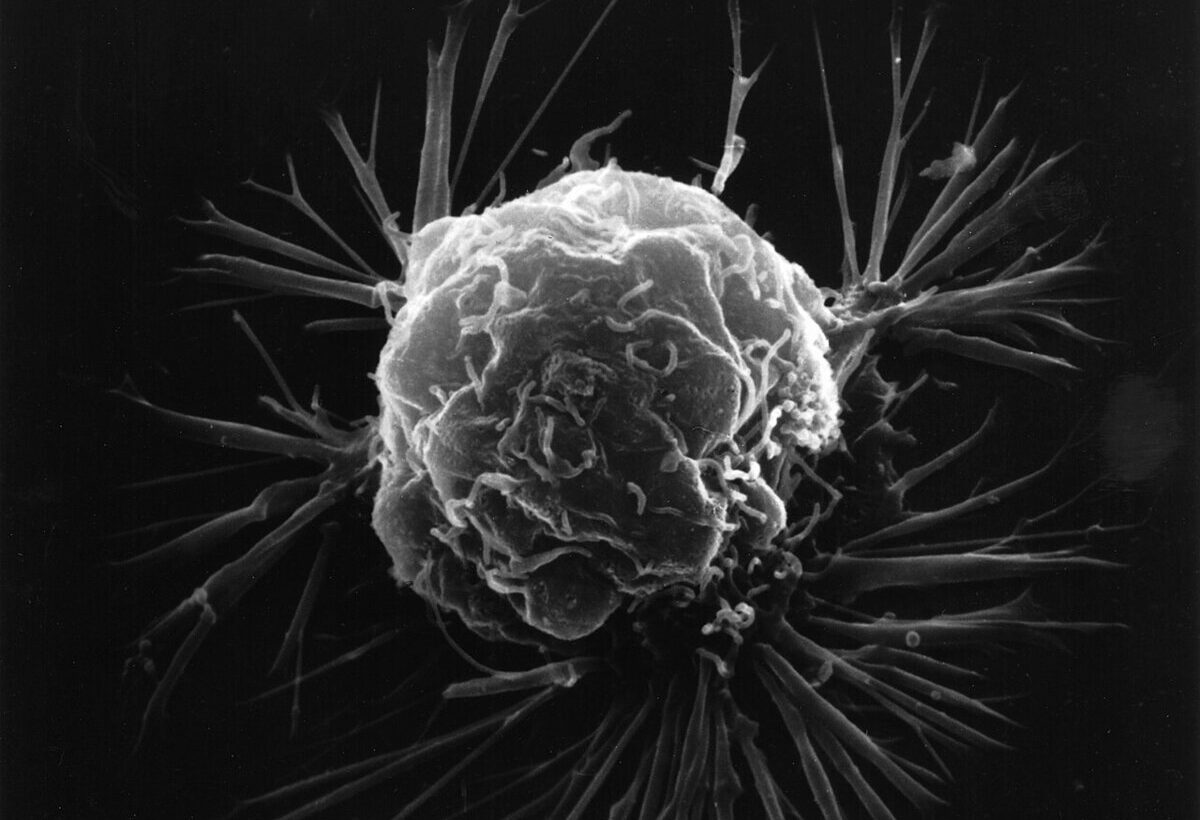


Recently, there’s much hype about the potential to treat hitherto near-impossible-to-treat cancers such as pancreatic cancer with messenger RNA (mRNA) vaccines designed to target specific molecular targets in cancer cells.
In a small study of 16 patients with pancreatic cancer, half were still alive four to six years later in a disease where the five-year survival is miniscule despite aggressive combined surgery, radiation and chemo therapies.
Although mRNA treatment for cancer seems new, the idea of harnessing mRNA to treat cancer goes back to the 1990s, well before mRNA’s specular triumph during the COVID-19 pandemic in preventing, or very much reducing, the impact of COVID for millions around the world.
Readers may remember the first two versions, one by Pfizer and the other by Moderna — which were equally effective in preventing clinically moderate to severe COVID in those who were vaccinated.
Equally amazing was the speed with which both vaccines were developed and deployed in less than a year. Thank goodness, or the pandemic might have been much worse (despite claims, then and now, by vaccine deniers).
Such a brisk and very effective response was only possible because the underlying technologies for the vaccines had been worked out well beforehand and had only to be applied to COVID and scaled up by Moderna and Pfizer, boosted by government support in the Western world.
The idea behind both vaccines was to provoke an effective immune response by presenting the immune system with copies of COVID’s spike protein to trigger both an antibody response to destroy the spike proteins of the COVID virus and kill cells infected with the virus.
To do so, scientists created mRNA that coded for the spike protein, delivered in lipid nanoparticle capsules to protect it and changed the chemical structure of the mRNA just enough to evade destruction by the body’s immune system.
The result was that freed of its lipid protective cover, the mRNA was free to latch onto the body’s cells and once inside, make hundreds, if not thousands of copies of itself by hijacking the cell’s cytoplasmic system for translating mRNA into protein.
In the final step, those copies of the COVID virus’ spike proteins served to provoke an effective antibody and cellular immune response to future infections by the virus.
The catch with COVID was that mutations in the COVID spike protein arose from time to time — hence the need for updated vaccines.
The principles learned from COVID can be applied to treating cancer. Many cancers are caused by mutations in protein-coding genes and as early as the 1990s, scientists speculated whether it might be possible to treat cancer using some version of immunotherapy — that is, why not create antibody and/or cellular immune therapies to target specific aberrant genes or proteins in cancer cells?
That sounds simple, but it’s challenging to do.
Some cancers such as pancreatic cancer may be caught late in their course well after they’ve spread beyond their normal borders and making matters worse, might create multiple mutations and proteins in their course which help them escape traditional strategies for treating them. Hence the interest in immunotherapies.
Can immunotherapy be tailored to specific cancers and, as important, for specific patients? One very attractive solution is to harness mRNA vaccine technology to treat cancer.
The first step is to analyze the molecular profile of the cancer to identify proteins (and genes) that are specific to the patient’s cancer and choose which might best provoke an effective immune response by the patient’s immune system.
The second step is to parcel the selected protein in lipid nanoparticle shells as was done with the COVID vaccines and vaccinate the patient with one or more doses to provoke an immune response specific to the patient’s cancer — simple as that.
In melanoma, a recent phase three trial of personalized LNP (liquid nanoparticle) mRNA vaccine from Moderna and Merck & Co. proved to be very effective in increasing “recurrence-free and metastasis-free survival.” This study, the initial findings of which were publicized in August, proved that an mRNA vaccine designed specifically for individual patients with melanoma, works very well. Personalized mRNA vaccines are under development for pancreatic, lung, breast and other cancers.
In the early ’90s, DNA and mRNA vaccines were first tested in mice, but it took a lot of work over the next two decades before a safe, effective mRNA vaccine for personalized LNP was developed.
For the development of mRNA vaccine for COVID, Katalin Karikó, with her expertise in RNA biochemistry and Drew Weissman, with his expertise in immunology, made the perfect team at the University of Pennsylvania and shared a Nobel Prize in 2023, “for discoveries concerning nucleoside base modifications that enabled the development of effect mRNA vaccines against COVID-19” as the Nobel committee expressed it.
Given current promising results, there may be another Nobel Prize in a few years for the application of mRNA to cancer vaccines.
Dr. William Brown is a professor of neurology at McMaster University and co-founder of the InfoHealth series at the Niagara-on-the-Lake Public Library.