


At a monument, in classrooms and among the stories held by a local museum, Niagara-on-the-Lake marked the National Day for Truth and Reconciliation by making space to listen, learn and reflect. For those leading the work, the hope is for the impact of what they’re doing to extend beyond a single day.
For some, this involved getting out of their usual environments and into the community to places where that reflection and education could take centre stage.
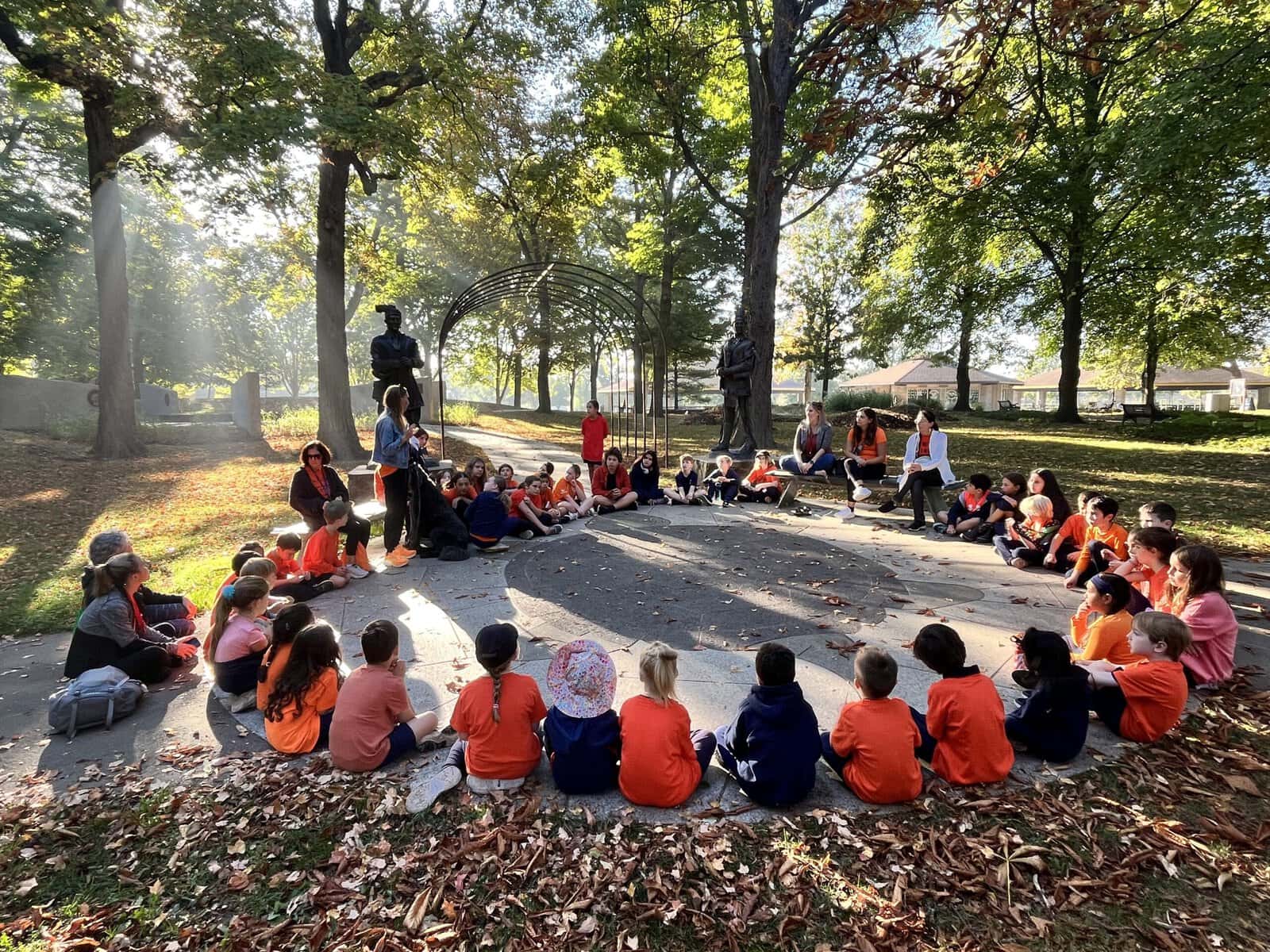
Royal Oak Community School’s students were taken to the Landscape of Nations Monument in Queenston Heights Park on Sept. 30, to learn about how Haudenosaunee (Six Nations) Confederacy and Indigenous allies participated in the War of 1812.
They fought alongside the British Army and Loyalists to help those defending Upper Canada from a takeover by American forces, which significantly outnumbered them.
Julia Murray, head of Royal Oak, says the students are taken on this walk every year for Truth and Reconciliation Day, also known as Orange Shirt Day.
At the monument, the students and their teachers discussed Indigenous historical figures and treaties. Students also learn about protocols such as the wampum belt, which records laws, treaties and history through woven patterns of white and purple beads.
“Teaching about Indigenous perspectives, culture, ways of knowing and history is not the work of one day,” Murray said. “It is embedded in curriculum at every level, and in our approach to outdoor education and learning about our community in Niagara-on-the-Lake.”
At St. Michael Catholic School, students from kindergarten to Grade 8 took part in activities throughout the week, principal Emma Fera-Massi said. They included hands-on crafts, a Unity Walk and lessons for older students on the meaning of Orange Shirt Day.
“Our goal is to ensure that students understand that Orange Shirt Day is more than wearing an orange shirt,” she said. “It is an opportunity to learn, remember, listen, and reflect on how we can contribute to a community where every person is treated with dignity, kindness and respect.”
The Niagara Catholic District School Board recognizes that reconciliation requires listening to and learning from Indigenous communities, Fera-Massi said in an email. The board integrates that work into its schools and sites throughout the year, she said.
Students across the District School Board of Niagara also take part in age-appropriate learning and reflection, said public relations manager Milica Petkovic. Schools receive resources and guidance to support learning grounded in Indigenous perspectives, though activities vary by classroom.
Education didn’t stop in the classroom. The NOTL Museum remained open Sept. 30 as a place for people to learn about Indigenous history relevant to the local area, said executive director Amy Klassen.
“People don’t know, really, how deep those stories are here in our community,” she said.
The museum has partnered with the Niagara Academy of Indigenous Relations and took part in the Niagara Roundtable on Sept. 19, where Indigenous and non-Indigenous speakers discussed reconciliation, treaties and the role museums can play, Klassen said.
Having Indigenous representation on the museum’s board has also been important, she said, pointing to board member Tim Johnson and the perspective he brings.
Indigenous elders are among the speakers at the museum’s weekend book launch with Mark Zelinski for “The Niagara Escarpment: Land Between Waters.” The museum is also redeveloping its permanent exhibitions as part of an expansion, with plans to weave Indigenous voices throughout, Klassen said.
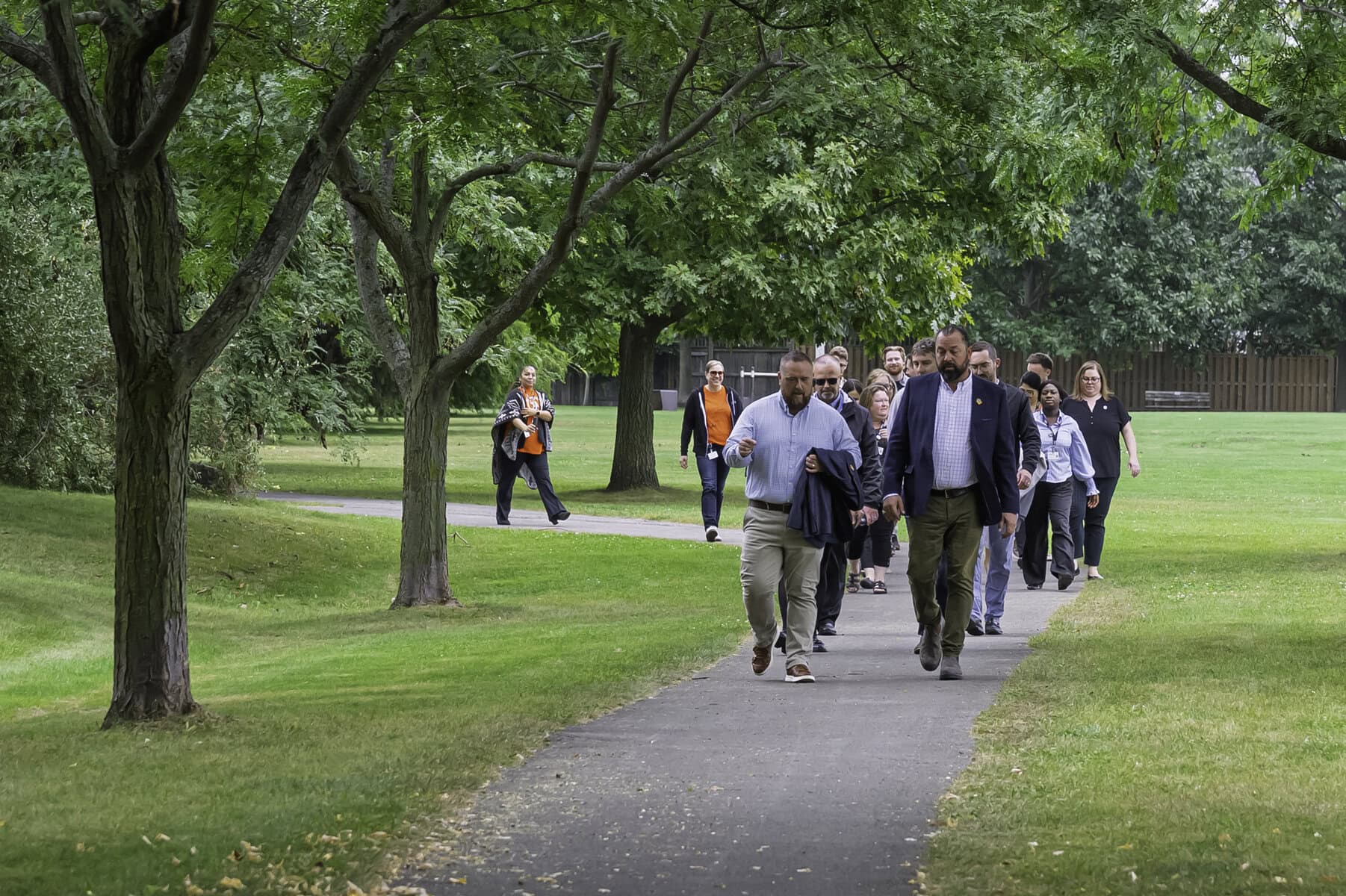
Credit: DAVE VAN DE LAAR
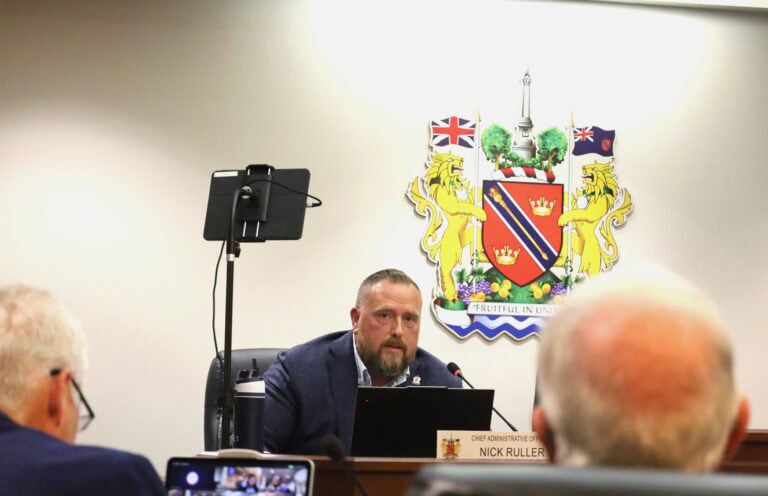
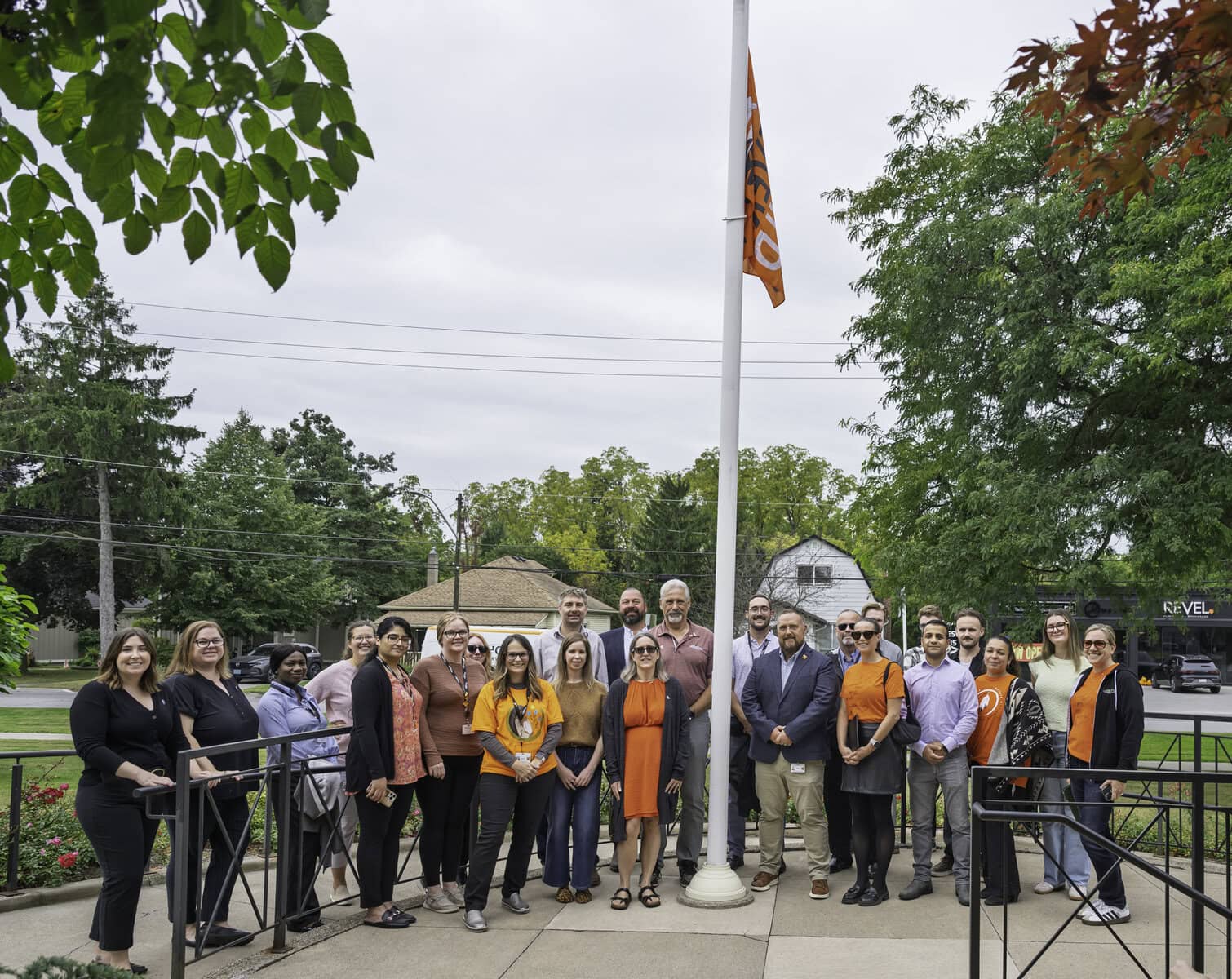
Following the flag-raising on Sept. 29 at Niagara-on-the-Lake Town Hall, participating councillors, town staff, MPP Wayne Gates and Niagara-on-the-Lake Museum representatives took a reflective walk in the area.At the town’s Truth and Reconciliation flag-raising, chief administrative officer Nick Ruller spoke about listening, learning and recognizing Indigenous communities’ experiences, cultures and strengths.
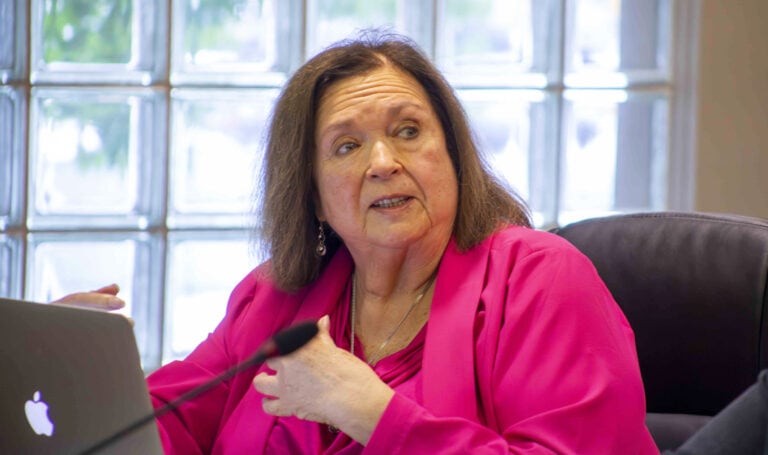
Coun. Erwin Wiens said the town has included reconciliation efforts in its strategic plan. Council gave staff Sept. 30 off to reflect and build cultural awareness, he said.
After a reflective walk around Virgil Sports Park, Wiens said town staff are committed to continuing the work. The town aims to make sure everyone is included in decision-making and that all voices are heard, he said.
“It’s more of changing hearts and minds so that everybody is involved, everybody feels included, everybody’s voice is heard, so that we can move the country ahead, and the town ahead, and the region ahead,” he said.
“That’s going to be the ultimate goal. It’s taking what’s on the page and putting it into people’s hearts.”
Wiens said the town continues to consult with Indigenous and First Nations partners. One example is an Indigenous art installation by the Niagara Artists Collective, designed, built and painted by Indigenous First Nations people, he said.