


Some Niagara political leaders are staring down the prospect of losing power at the regional level and have banded together to urge the province to reconsider proposed changes to how regional government operates.
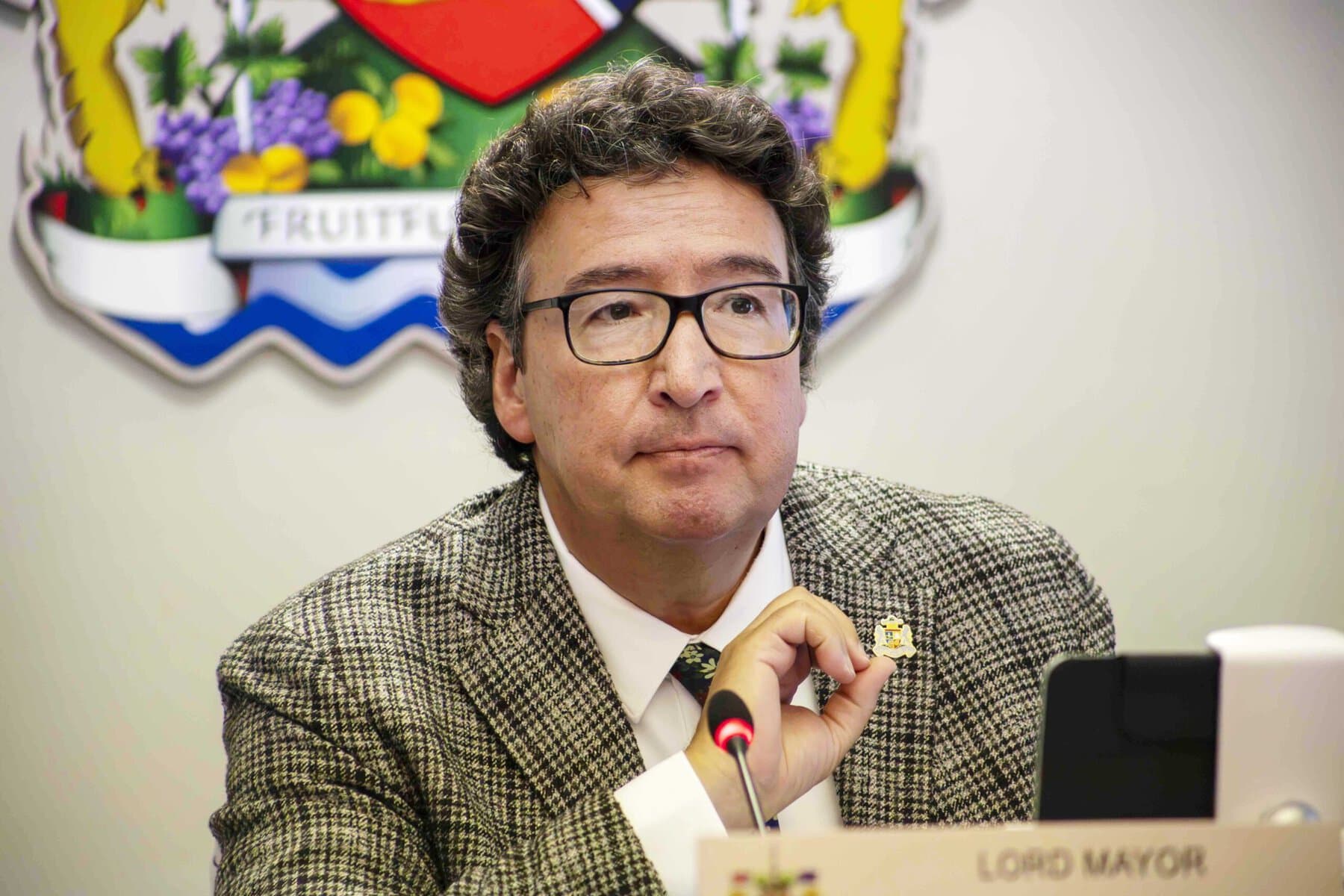
Eight Niagara mayors, including Niagara-on-the-Lake Lord Mayor Gary Zalepa, are asking the province to reconsider proposed changes that would give the chair of Niagara Region more power and introduce a weighted voting system at regional council.
In a letter to Rob Flack, Ontario Minister of Municipal Affairs and Housing, the mayors call for limits on the proposed “strong chair” powers and argue against weighted voting, which could give Niagara’s largest municipalities greater influence at regional council.
The letter, which appears to be undated, was signed by the mayors of NOTL, Pelham, West Lincoln, Grimsby, Wainfleet, Thorold, Fort Erie and Port Colborne.
Zalepa briefly addressed the letter during Niagara-on-the-Lake council’s Sept. 22 meeting.
The Ford government plans to introduce “strong chair” powers for Niagara Region, giving the chair — who will be appointed by the Ontario premier — the ability to propose budgets, veto bylaws that conflict with provincial priorities, direct staff and hire or fire key senior bureucrats.
The changes are part of a broader restructuring of regional government that will also eliminate Niagara’s 19 elected regional representatives, reducing regional council to 12 mayors and the chair, from 32 members.
The new structure takes effect when regional council holds its first meeting in November, following the Oct. 26 municipal election.
In their letter, the eight mayors say that if strong chair powers are enacted, they want limitations “to ensure that Niagara continues to function democratically and that all municipalities can prosper.”
The mayors propose limiting the chair’s executive powers to four areas: decisions on the annual budget; hiring and firing senior staff; appointments to regional committees and subcommittees; and voting only in the event of a tie.
Outside those areas, the chair would not have additional powers.
The mayors also object to the province’s proposed weighted voting system. While the province has not confirmed how the system would work, the idea of adjusting each municipality’s voting power based on population has been floated.
Under such a system, Niagara Falls, St. Catharines and Welland would have the greatest voting power at regional council, potentially reducing the influence of smaller municipalities such as Niagara-on-the-Lake.
Instead, the mayors recommend an alternative: the “double majority” model.
Under the proposed system, important measures would require the support of at least half of Niagara’s municipalities, representing at least half of the region’s population.
“The elegance of this model considers that urban centres would have the population but not adequate community support, while smaller centres would have the community support but not enough overall population,” the letter states. “This would compel both groups to continue to work together on all issues.”
For what the mayors describe as “critical, major financial or legacy-type decisions,” the double-majority system would apply. On other matters, each city and town would have one vote.
At the Sept. 22 council meeting, Zalepa said the letter came out of discussions he had with the seven other mayors who signed it.
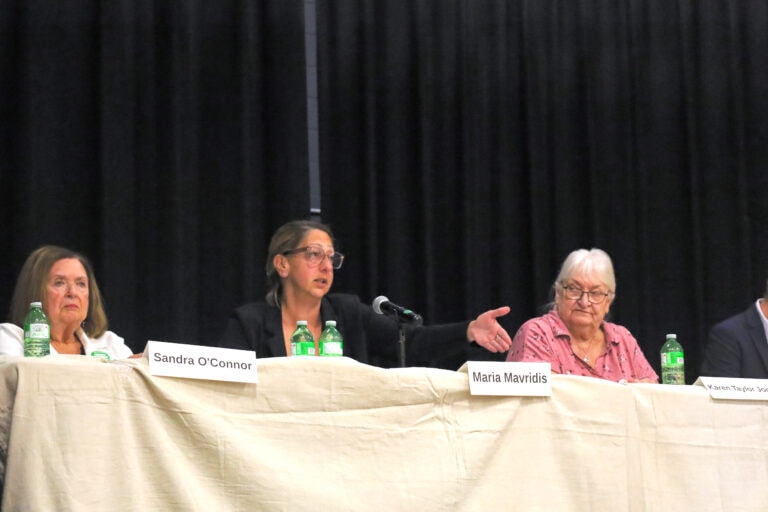
Coun. Sandra O’Connor, who brought the letter forward for discussion, said she was disappointed council had not been consulted on its contents.
She pointed to a sentence in the letter stating that the eight mayors “acknowledge that a strong chair may be helpful in the efficient delivery of regional services.”
“I just don’t see how efficiency can trump democracy by an appointed chair,” she said.
Coun. Erwin Wiens asked Zalepa to confirm whether the eight mayors were the same coalition that formed to oppose the potential amalgamation of Niagara’s municipalities into a single city after former regional chair Bob Gale raised the issue in February.
“They’re a significant reason why we’re still a municipality, I’ll say that,” Zalepa said.
Wiens then returned to the issue of democracy raised by O’Connor, saying it could be debated. However, he said the issue would become irrelevant if NOTL ceases to exist as an independent municipality.
“If we’re the City of Niagara and not Niagara-on-the-Lake, then all points are moot.”