


Vaughn Goettler says Niagara-on-the-Lake should stop new development until it knows its infrastructure can handle more growth.
Andrea Kaiser says a blanket pause could land the town back in court.
Erwin Wiens says the town needs to be careful, strengthen its planning rules and keep investing in infrastructure.
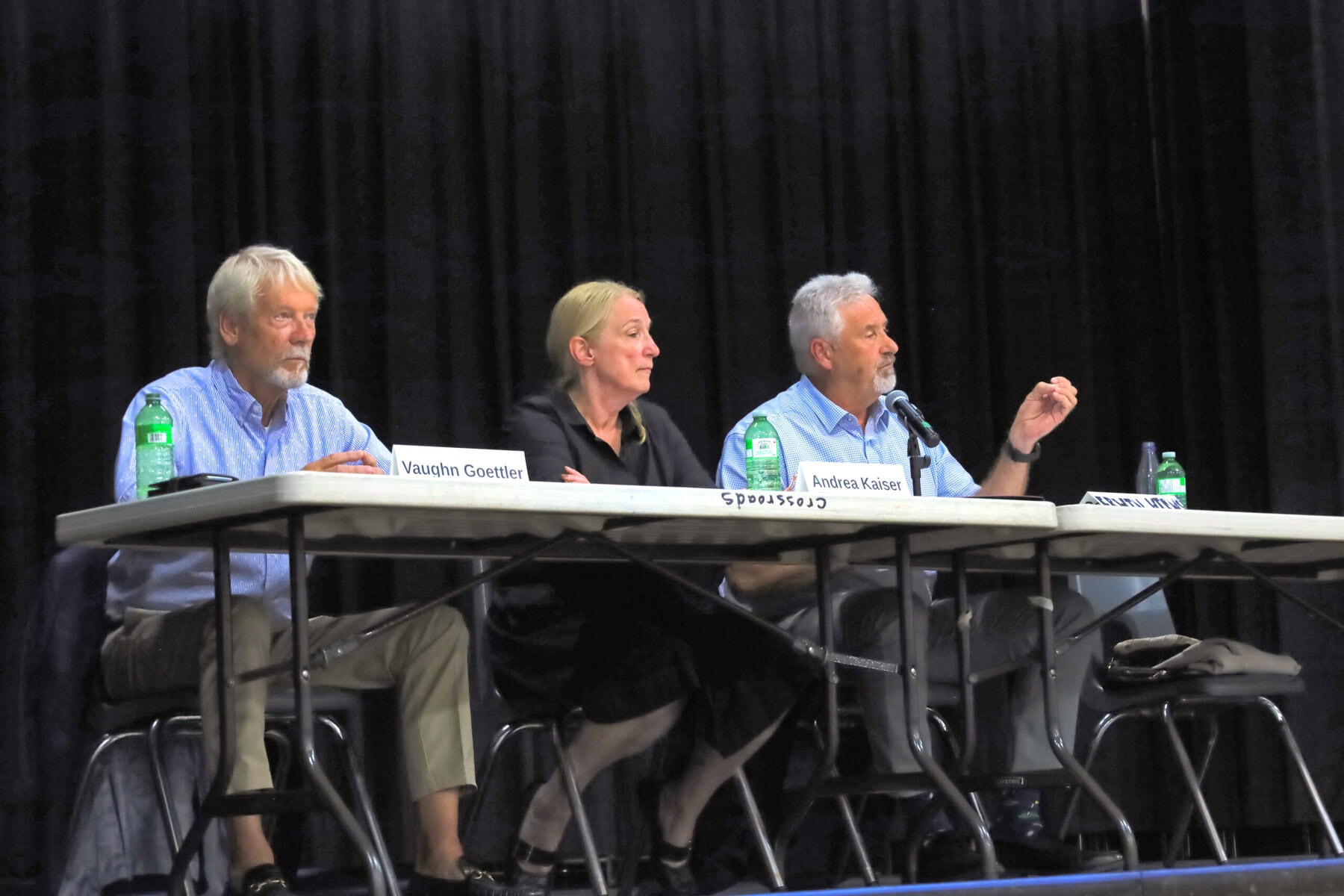
That was one of the clearest splits Monday night as the three lord mayor candidates faced residents at a Niagara-on-the-Lake Residents Association forum that moved through 14 questions on growth, taxes, transparency, tourism, climate change and how the next mayor should lead.
The forum also exposed clear differences in how each candidate would approach the job.
Goettler argued the town needs a new direction, pledged to do the lord mayor’s job for $1 and rejected strong mayor powers. Kaiser emphasized her regional experience and said she wants to continue pushing for changes to how policing costs are allocated. Wiens made the case for staying the course.
Development and infrastructure
Goettler’s call for a moratorium drew applause.
“We should not be building until we know where the infrastructure is at,” he said.
He pointed to flooding in St. Davids, drainage problems and undersized culverts, and called for a town-supported check valve program to prevent wastewater from backing up into homes.
Kaiser agreed infrastructure should be ready before significant development moves ahead, but rejected a blanket stop.
“Random moratoriums bring us back to court legal cases,” she said, arguing the town should instead rely on its official plan, zoning bylaw and other planning tools.
Wiens also urged caution, saying a previous interim control bylaw did not survive litigation. He said the town should instead use its asset management plan to guide infrastructure spending and updated zoning rules to control future growth.
When asked for their three most important criteria when assessing development, Goettler said proposals should fit the community, have infrastructure already in place and benefit residents.
Kaiser said the official plan and comprehensive zoning bylaw should set the rules, with infrastructure, protection of agriculture, heritage and the environment, and residents’ quality of life guiding decisions.
Wiens said development should only move ahead when the town has the infrastructure and rules to support it, including an updated comprehensive zoning bylaw and better provincial growth policies.
Credit: PAIGE SEBURN
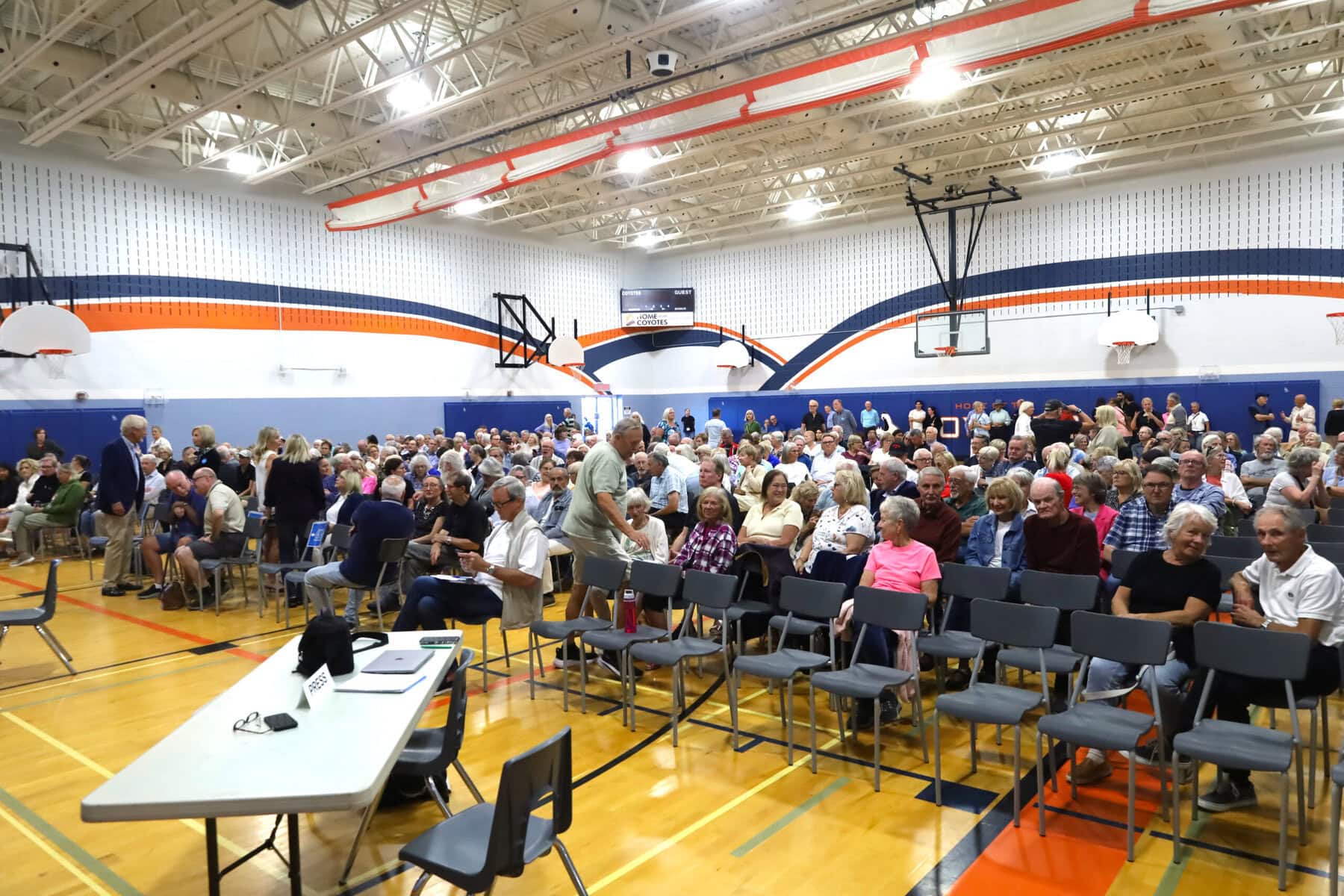
A packed room turned out to hear Niagara-on-the-Lake’s three lord mayor candidates make their case on growth, taxes, transparency and the town’s future.Where growth should go
All three pointed to Glendale as a major area for future growth, largely because there is little room left for new housing in NOTL’s other urban areas.
Goettler warned that should not mean treating Glendale as a “dumping ground” for development residents elsewhere do not want.
Kaiser said she has heard similar concerns from Glendale residents, who sometimes feel like the “orphans” of NOTL, and said growth there must fit the community and bring the services residents are asking for.
Wiens said growth in Glendale should come with more than housing, including transit, stores, jobs and other amenities needed to build a complete community.
Strong mayor powers and time on the job
Goettler was the most opposed to strong mayor powers, calling them a “fundamental disconnect with democracy” and saying he would not use them. He said leadership should come through consensus, not by concentrating more authority in the mayor’s office.
Wiens called the powers “a tool in a toolbox” municipalities have been given by the province. He pointed to the town’s recent budget process as an example of where they can work, saying it saved more than $200,000 and staff time by allowing the budget to move forward sooner.
But Wiens said he favours council consensus and could not think of many situations where he would need to use the powers.
Kaiser said she sees some value in them around budgets, but would not use them without working with council.
All three said the lord mayor role demands significant time.
Goettler called it a full-time job and said he would do it for a salary of $1, donating the rest to local charities.
“Any job that’s a full-time job is at least a work week, which to me is 40 hours a week, at least,” he said.
Wiens declined to attach a fixed number of hours to the role.
“I don’t want to tell you it’s a five-hour job or a 10-hour job. It’s a job that needs to get done,” he said.
Kaiser said she expects she would work 60 to 70 hours a week and argued her regional experience matters because, next term, the lord mayor will be NOTL’s only elected representative at the region.
“We don’t have time for someone to learn on the job,” she said. “I am the only candidate who has that regional experience.”
“I plan to fight, with all of my experience at the region, to make sure that Niagara-on-the-Lake keeps its independence.”
Climate and flooding
Kaiser called climate resilience a “number one priority” and pointed to rain gardens, swales and permeable surfaces as ways to keep water out of overloaded systems and better handle heavier rainfall.
Wiens said 23 of the town’s 27 climate action initiatives had been completed, with four long-term items remaining, and said he wants more tree planting and continued flood-mitigation work.
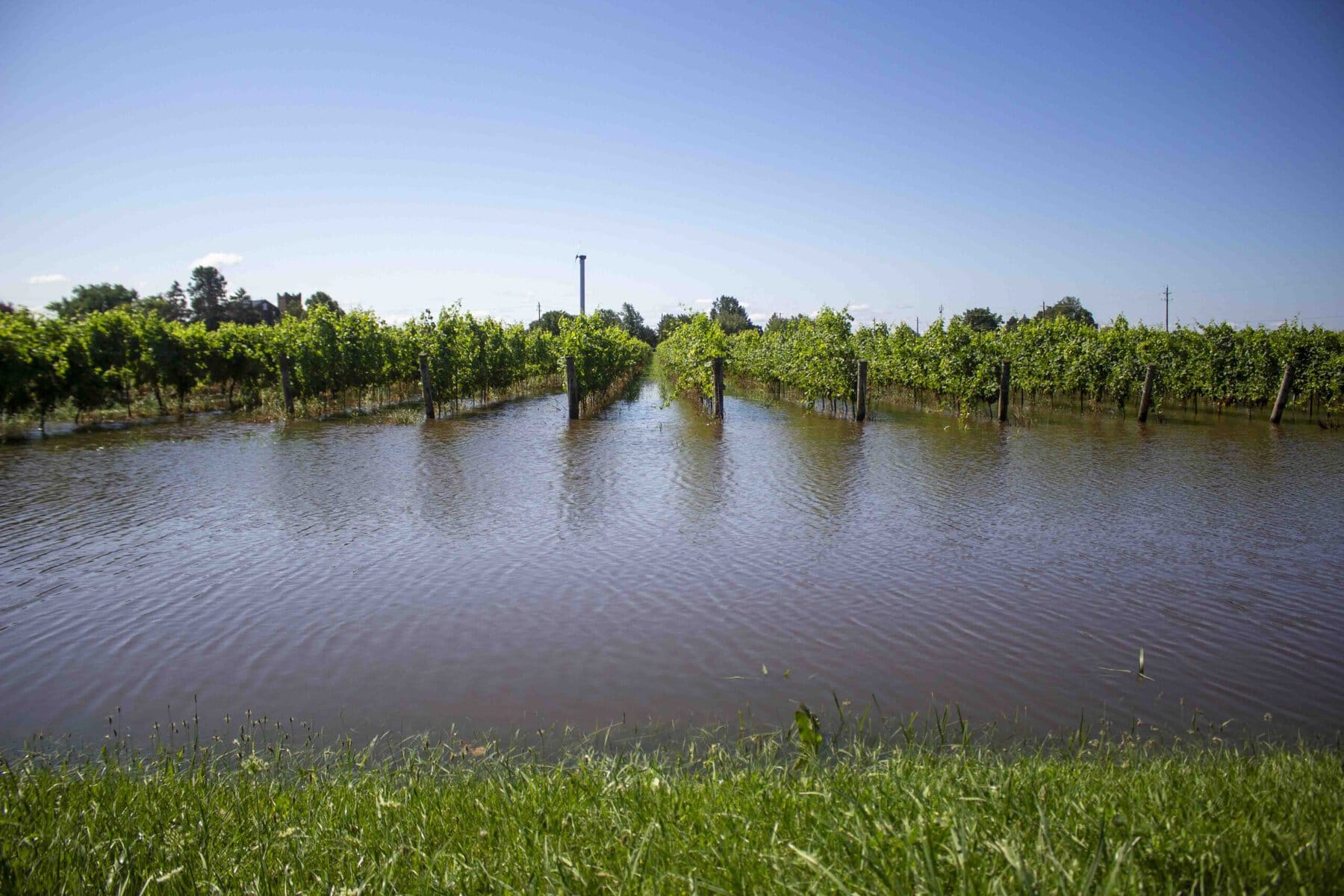
Goettler argued the idea of a “100-year storm” no longer reflects reality and said the town should rethink how much hard surface is added through development, including considering permeable driveways.
Credit: FILE
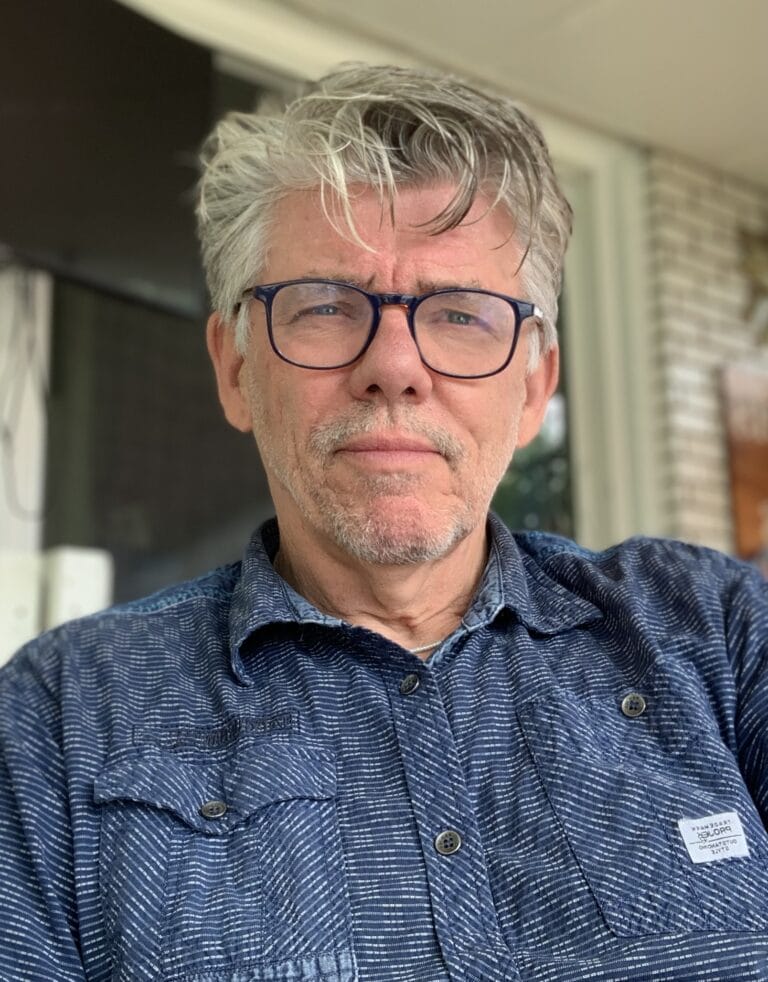
This summer’s floods hit Niagara-on-the-Lake’s vineyards hard. Election candidate Vaughn Goettler argued the idea of a “100-year storm” (used to measure the capacity of stormwater management systems in municipalities) no longer reflects reality.Transparency and town hall
Goettler said town finances should be easier for residents to understand and published more quickly.
Kaiser said residents need meaningful consultation before decisions are made and elected officials should explain how they arrived at their votes.
Wiens said much of the information residents are looking for is already public, but the town needs to understand why people still feel they cannot access it.
Asked what should happen when staff does not follow council direction, Goettler said residents feel the relationship between staff and council has become “upside down” and are concerned staff is “telling council what to do and council is rubber-stamping it.”
Kaiser said council needs to push when its direction is not carried out, pointing to a regional policing-cost report she helped send back after staff recommended the status quo instead of providing the alternatives council had requested.
Wiens said he was “hard-pressed” to think of a time that had happened and stressed it is the chief administrator’s job to carry out council policy.
Taxes and accountability
All three pointed to regional costs as a major pressure on NOTL taxpayers.
Goettler said taxes are too high and he would try to keep future increases no higher than inflation. He also argued better bylaw enforcement could reduce costly legal fights with developers.
Kaiser focused on policing costs and said NOTL should not pay more than its fair share because of higher property assessments, while Wiens said the town needs to find efficiencies and keep taxes stable.
Asked whether they had any business, financial or family relationships with developers who could bring proposals before council, “The answer is no,” Goettler said.
Goettler is not financially beholden to anyone who could create a conflict in the role, he said.
Kaiser has long-standing ties to NOTL’s wine industry, including family connections to Inniskillin, years working at Reif Estate Winery and ownership of Drea’s Wine Co.
She said she has declared conflicts before and would do so again when required — town records show she declared one in 2012 over a proposed noise bylaw because of her employment at Reif.
Wiens focused on conflict-of-interest rules and his record of following them, prompting a few residents to call out: “That didn’t answer the question.”
Credit: FILE/DAVE VAN DE LAAR
On the matter of rising tax rates for NOTL residents, election candidate Andrea Kaiser says she believes a big part of the problem is the percentage of policing costs the town — and therefore its residents — have to pay and wants to fight to lower them.Tourism and the airport’s future
Goettler said tourism should be managed around residents’ quality of life, with the town listening more closely to what residents want and reducing pressure on traffic and parking. He also said he would bring back a tourism committee.
Kaiser said she would revive a tourism economic management committee to bring residents and businesses together.
“I grew up in the tourism industry,” she said. “But you can look at my track record — I am absolutely in favour of protecting agriculture, residents’ quality of life, and environment first. I believe that we can do both.”
Wiens said the town should keep building on its “first ever tourism strategy.” He also pointed to the roughly $4 million a year the town brings in from parking, saying it helps offset local costs such as transit.
On the Niagara District Airport, Goettler and Kaiser both said they support improvements but are not ready to back expansion without more information.
Wiens supported what he called responsible growth, but said expansion should come last and that he has a “huge problem” with it moving onto agricultural land.
Schools, services and the region
All three said the town should have a high school again.
Wiens said he would work with school boards and the province to bring one back, while Goettler said NOTL should stop giving up institutional land and space needed for community services.
Goettler pointed to Parliament Oak as an example, saying land that was once institutional is now being used for a hotel.
“Could we have done something different? I believe we could have and should have,” he said.
Kaiser supported bringing a high school back and said the lord mayor should also use the regional role to push for other services residents need, including urgent care, long-term care and better seniors’ services.
At the region, Goettler said he would build alliances with other smaller municipalities, Kaiser said she would push to change how policing costs are allocated while using her regional experience to fight the ongoing threat of amalgamation, and Wiens made preventing amalgamation his top priority.
As the forum wrapped up, Goettler told residents NOTL needs a new direction and said the next council should rethink how the town handles growth, infrastructure and public input.
Kaiser also argued for change, but said her experience at both the town and region would help her deliver it without losing sight of what residents want protected.
Wiens closed by telling residents the town has already laid the groundwork for the next term and should not abandon it.
“Now’s not the time for change,” he said.
Full video of the debate can be found on the Niagara-on-the-Lake Residents Association’s Youtube page.