


Last week, we examined how fertilized eggs differentiate into our body’s systems and organs and thousands of cells which differ widely from one another in function and appearance — a process exquisitely timed and associated by selective activation of specific genes while silencing other specific genes (“‘Behold, I make all things new’: Can we reverse aging?” The Lake Report).
Withdrawing histone coverage of selected genes activates those exposed genes, while tagging genes with methyl groups silences genes in an overall process called epigenetics.
Every cell has the same DNA but the pattern by which some genes are selected to be active, and others suppressed, differs from cell-to-cell depending on the ultimate function of the cell — to become, for example, specialized cells in the liver, kidney, skin, brain and so on.
The overall process of specialization (differentiation) of cells, despite all possessing the same DNA, is amazing and in much simpler form, was probably present almost from the beginning of the first cells nearly four billion years ago.
Unfortunately, as I pointed out last week, with increasing age, living cells accumulate molecular mistakes in the form of mutations in DNA as well as mistakes in epigenetic marking of genes with methyl groups and histone coverage or exposure of genes.
Both processes — mutations and epigenetic errors — can create faults in cellular processes which manifest as dysfunctional changes and perhaps death of cells, prompted in some cases by environmental triggers such as excess ultraviolet light, while in other cases, metabolic stress and chronic inflammation can trigger faulty epigenetic and gene changes.
In its simplest form, rejuvenation of aging skin cells has been created in tissue cultures in which old cells revert to younger looking and better functioning cells in response to adding transcription genes to the tissue culture similar to what Yamanaka’s team, used to turn mature fully differentiated skin cells into pluripotent stem cells, more or less stripped of their epigenetic changes (see last week’s article).
Better, was to use fewer transcription factors to return old skin cells — not to their original stem cell origins, but just enough to revert old cells to healthy young skin cells without the risk of creating cancerous cells along the way. It worked.
Rejuvenating specific types of skin cells in tissue culture to younger versions of themselves is one thing. But restoring old organs such as the heart, kidney, liver or pancreas to younger healthier organs is altogether far more challenging — many more types of cells would need to be rejuvenated.
This makes the goal of restoring the whole body, including the brain, to a younger version all but impossible, however much the wealthy and powerful might want to go on for another decade, another 50 years or, perhaps in their wildest dreams, become immortal (a dream of emperors past and present).
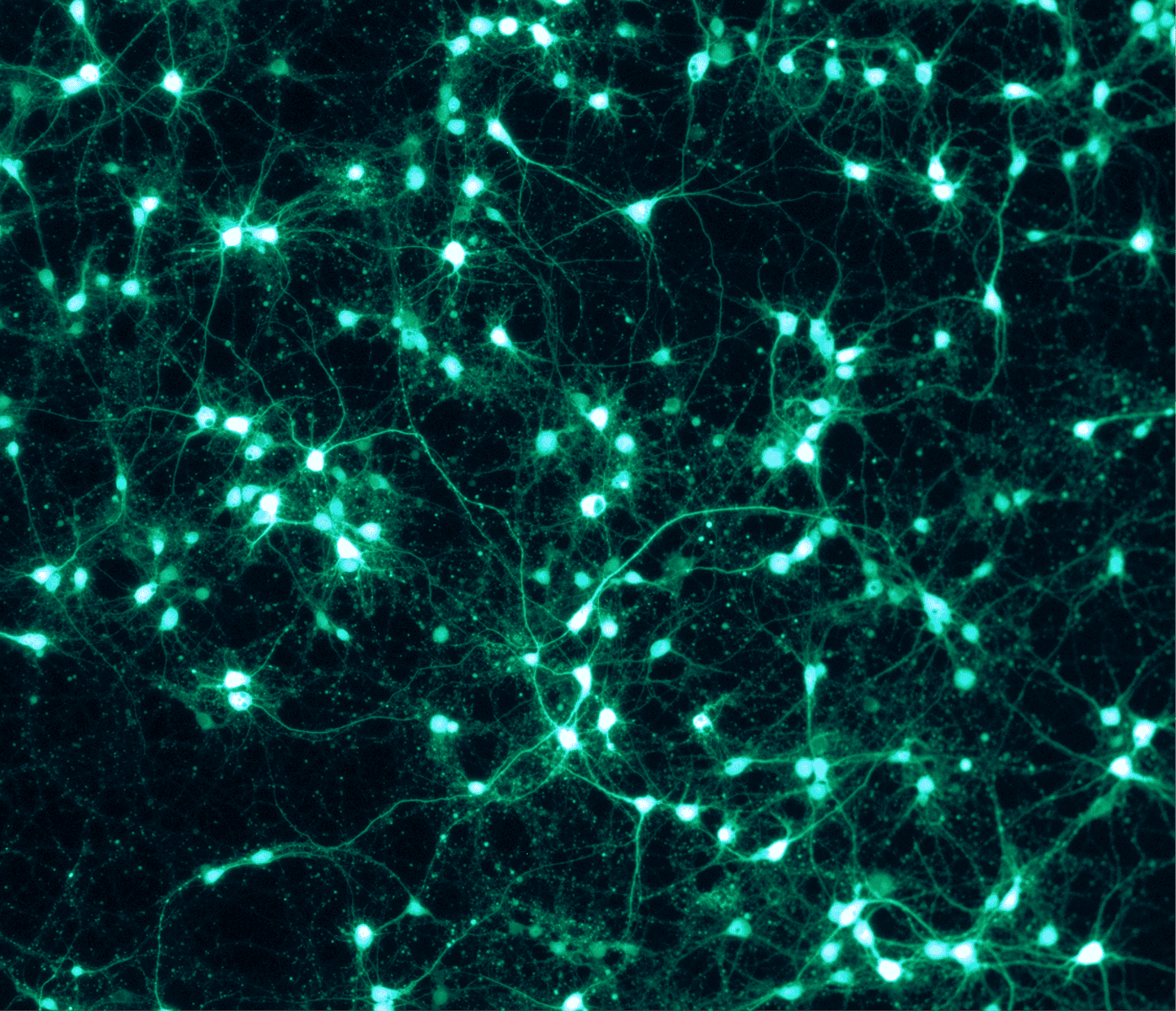
The trickiest organ to rejuvenate is the brain, if only because of the incredibly complex wiring, whereby even single neurons may contact thousands of other neurons in very complex ways. Furthermore, much beyond the first few years of life, multiplication of nerve cells stops.
Indeed, many cells in the nervous system are pruned early in development in competitions between nerve cells for making the best connections.
Some new functioning nerve cells may be created in the adult hippocampus but so far there’s no evidence of creation of new nerve cells elsewhere in the adult brain.
Serial MRI studies of the brain from before birth to the late decades in life reveal thinning of the neocortex as early as the second decade of life and white matter losses beginning in early mid-life and accelerating in the later decades of later life, to say nothing of the increasing frequency of white matter changes and small ischemic changes in the brain, much past seventy years of age.
For those reasons, it’s hard to imagine how rejuvenation, however successful in other organs, could succeed for the brain.
When counts of nerve cells have been made, such as the substantia nigra, losses of nerve cells may exceed 50 per cent before symptoms of, say, Parkinson’s disease appear.
The point here is that rejuvenating the brain might hold the line or possibly slow decline a bit, but not return our brain back to where it was when we were 20.
That’s way beyond the science as it exists, even if high tech start-up companies hoping for a lucrative returns for their overhyped rejuvenation studies, suggest otherwise.
Finally, for a humorous take on aging there’s a wonderful article which appeared in the New York Times in 2013 by David Brooks and Gail Collins on aging, titled “How to Be Old.”
Here’s the best part. I quote:
Brooks: “You don’t have to be rich to opt for the biblical model. Spend the years between 80 and, say, 140 arguing with God, leading various peoples across the dessert, producing many offspring and becoming known throughout time as a holy prophet. Though of course you’ve got to have connections in high places.”
Collins: “This appears to be a model that only works for men. Where I got my youthful religious training, the highest aspiration for a female was the title ‘Virgin Martyr.’ Already missed the boat on that one.”
Dr. William Brown is a professor of neurology at McMaster University and co-founder of the InfoHealth series at the Niagara-on-the-Lake Public Library.