


By David Israelson
Special to The Lake Report
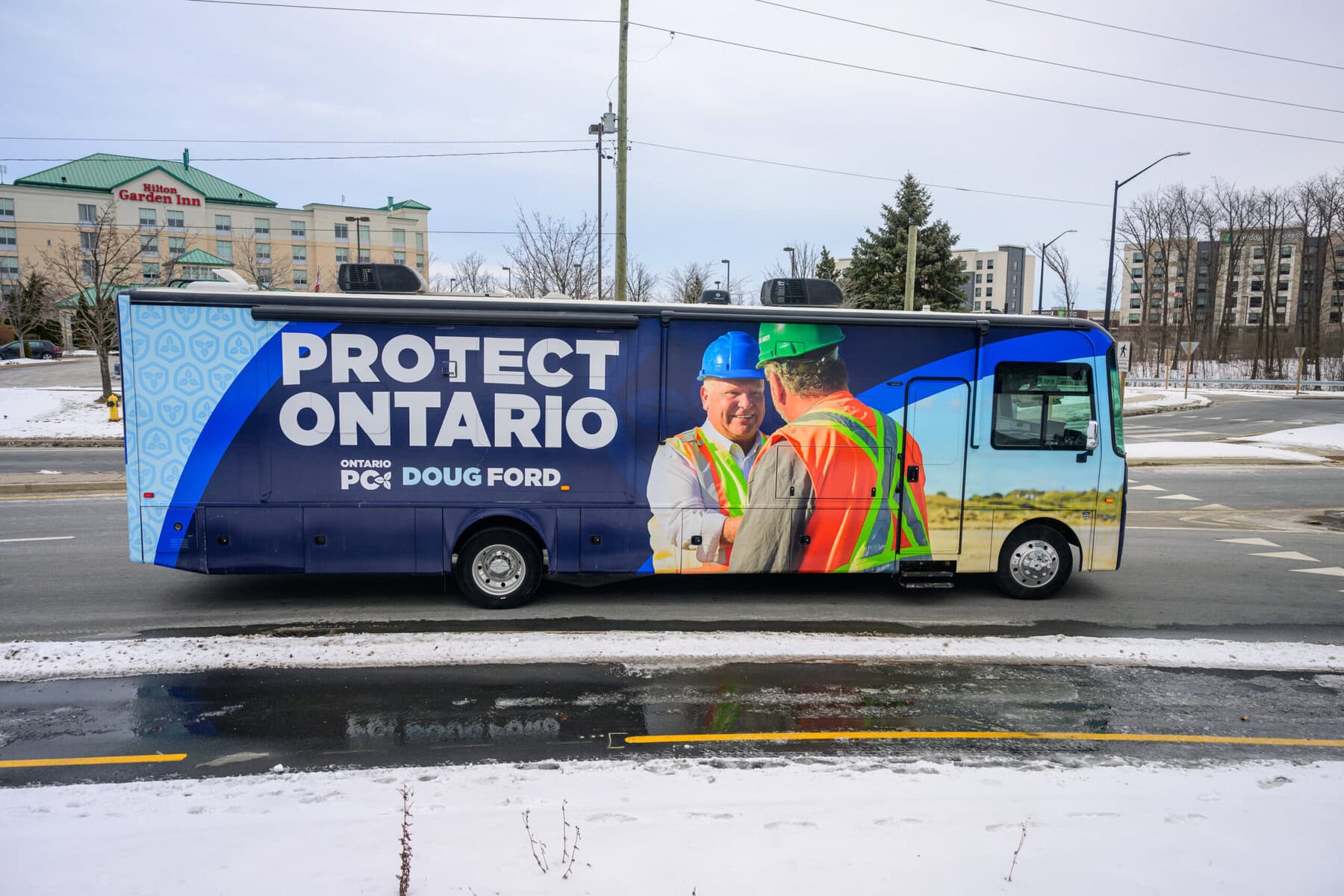
Remember that old expression, “You can‘t fight city hall?” Thanks to a sneaky move by Premier Doug Ford, that may become true in Niagara-on-the-Lake.
On Thursday, April 3, just before the Easter long weekend, Ford and Municipal Affairs and Housing Minister Rob Flack introduced a bill called the Better Regional Governance Act that will dial back democracy in Niagara Region along with several others (Durham, Halton, Muskoka, Peel, Simcoe, Waterloo and York).
If you have concerns about these proposed major changes in who we get to vote for and how they govern in Niagara, you’d better speak up fast.
There will be a brief comment period, some quick legislative hearings at Queen’s Park, but with its huge majority, Ford’s government aims to pass this law and make the changes take effect this fall, right after the municipal elections when voters are supposed to have their say.
Niagara voters will have less say about what happens in the region once this law takes effect. The bill reduces Niagara’s regional council from its current 32 members to 13. The new council will be made up of the region’s 12 mayors (including Niagara-on-the-Lake’s lord mayor) plus a Ford-appointed honcho who will serve as “head of council.”
Recall that Niagara’s most recent appointed chair, Bob Gale, resigned under a cloud, after trying repeatedly to push forward the idea of amalgamating the region, a move that would have given NOTL less of a say.
The pro-amalgamation putsch failed, but it doesn’t really matter, because under Ford’s new legislation, whatever people in this town of 19,000 want will count for less than ever before.
The proposed legislation gives the new, unelected “head of council” strong mayor powers to overrule any democratic decisions he or she doesn’t like. That’s where the real power lies.
It also calls for a system of weighted voting among the remaining 12 regional councillors. While it’s not entirely clear yet how this will work, it sounds like the votes of the councillors who are also mayors the region’s larger cities, such as Niagara Falls, will matter more than the votes of the small-town mayors, such as ours. That weakens NOTL even more.
It all really boils down to one thing: if you’re a voter in Niagara-on-the-Lake, the province wants to hear less than ever from you about decisions that affect your town. Your voice will be weaker and smaller.
This is not to say that reforming Niagara’s electoral system is entirely a bad idea. It’s not: for years, many residents have been unsure of what benefits having all these regional councillors (and paying them) brings to the town.
And let’s face it, over the years, successive NOTL town councils have not necessarily earned the public’s adulation by making a lot of popular decisions.
To be fair, it’s not easy to please everyone. There’s also the argument that the way our local and regional governments are structured gets in the way of efficient decision-making, even when we elect the best people possible.
It’s frustrating that decisions on crucial issues such as housing, seniors’ care and infrastructure seem to go through endless debate and long-delayed outcomes.
Surely there has to be a better way. But surely it’s not by ramming through provincial legislation that gives more power to an unelected chair, without asking the people it will affect. If you care about democracy, speak up, while you still can.
David Israelson is a writer and non-practising lawyer who lives in Niagara-on-the-Lake.