


Dear editor:
Niagara-on-the-Lake is one of the most historically significant communities in Canada. The first capital of Upper Canada. Its heritage is what makes this town worth living in, visiting and investing in.
Development and progress are possible here. The question has always been how to do so in a way that honours what makes this community irreplaceable.
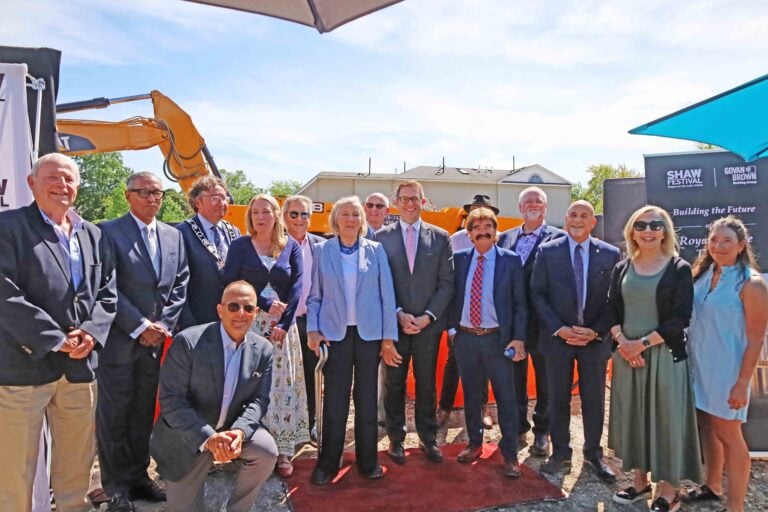
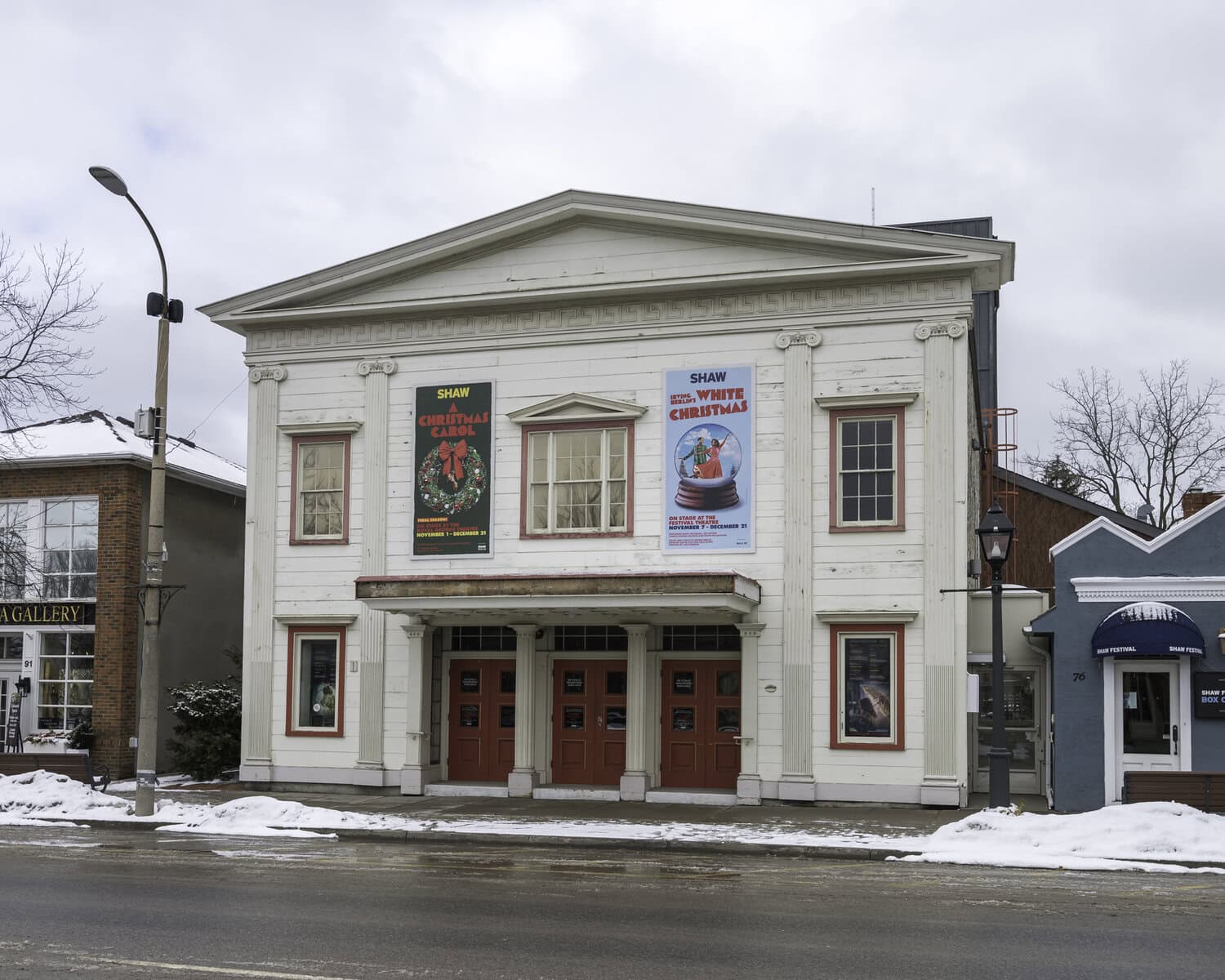
When the Town of Niagara-on-the-Lake approved the demolition of the Royal George Theatre, a 1915 historic site at the heart of our designated heritage conservation district, residents were told there was no other option.
The building was failing. Preservation was not viable. Demolition was the only path forward.
What that record shows is that the most fundamental question was never answered before a demolition permit was issued.
Could the Royal George have been preserved, modernized and expanded to meet every goal the Shaw Festival identified, within the rules that exist to protect our heritage district, at what cost?
Industry standard suggests the answer is yes.
The engineering evidence before staff and council was commissioned after the new design was already complete. A bit of a carriage before the horse. It found preservation impractical and cost-prohibitive.
No physical testing was performed. No engineering calculations were performed. A visual inspection on a single day. When truly dealing with a conservation-first analysis under the Ontario Heritage Act, you should be able to answer those questions before approval.
They never were.
What if someone told you the concerns of the existing building could be addressed for roughly $2 to $4 million, according to Ontario industry standard rates?
What if someone told you the full preservation, modernization and expansion for accessibility, zero carbon, everything proposed, could be done for $35 to $55 million or at most the same $90 million. Is the building worth preserving?
The question was never asked. Never proposed. The approval process never produced this analysis. Our community never had the opportunity to weigh what was possible against what was proposed.
Amendments are only supposed to be used when conforming is not possible. What if someone told you that conformity was possible? That the official plan didn’t need to be amended? That the existing rules deliver a preserved or completely new development to conform with the rest of Queen Street and still fulfill every need?
A thorough, transparent process explains itself. Residents of a heritage community deserve nothing less.
This is what led my company to stand up for residents. The Divisional Court raised serious legal questions worth answering before dismissing on standing. The town called that full vindication.
That is not what the decision says.
A full vindication wouldn’t have serious legal questions worth answering. It wouldn’t have seven grounds for appeal. It wouldn’t have the Royal George still protected with an undertaking while the Court of Appeal decides. Is that full vindication?
The questions raised matter far beyond Niagara-on-the-Lake. Ontario has over 100 designated heritage conservation districts. This affects every heritage community in this province.
Development, growth and progress will always be part of this community’s story. The question has always been whether we do it in a way that honours what makes Niagara-on the-Lake worth protecting.
That question deserved a better answer than it received.
Nicholas Colaneri
NOTL