


Recently, I had the opportunity to watch the 2024 TVO documentary “Crossroads: Beyond Boom & Bust” focusing on the community of Fergus, Ont.
For those who don’t know, Fergus is a storied town with roots that reach back to 1822 when Richard Pierpoint — a freed slave who served in Butler’s Rangers during the American Revolution and again during the War of 1812 — established a settlement for Black freedom seekers on his 100-acre land grant.
Scottish settlers began moving in around 1832 and the majority of the town’s historic streetscapes are thanks to their stone masons.
However, as historically interesting as Fergus may be, it was not the town’s past which caught my attention but rather, its future.
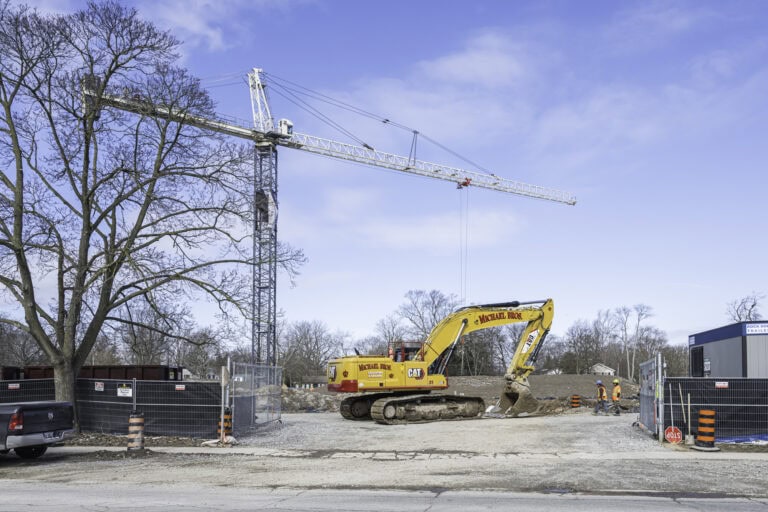
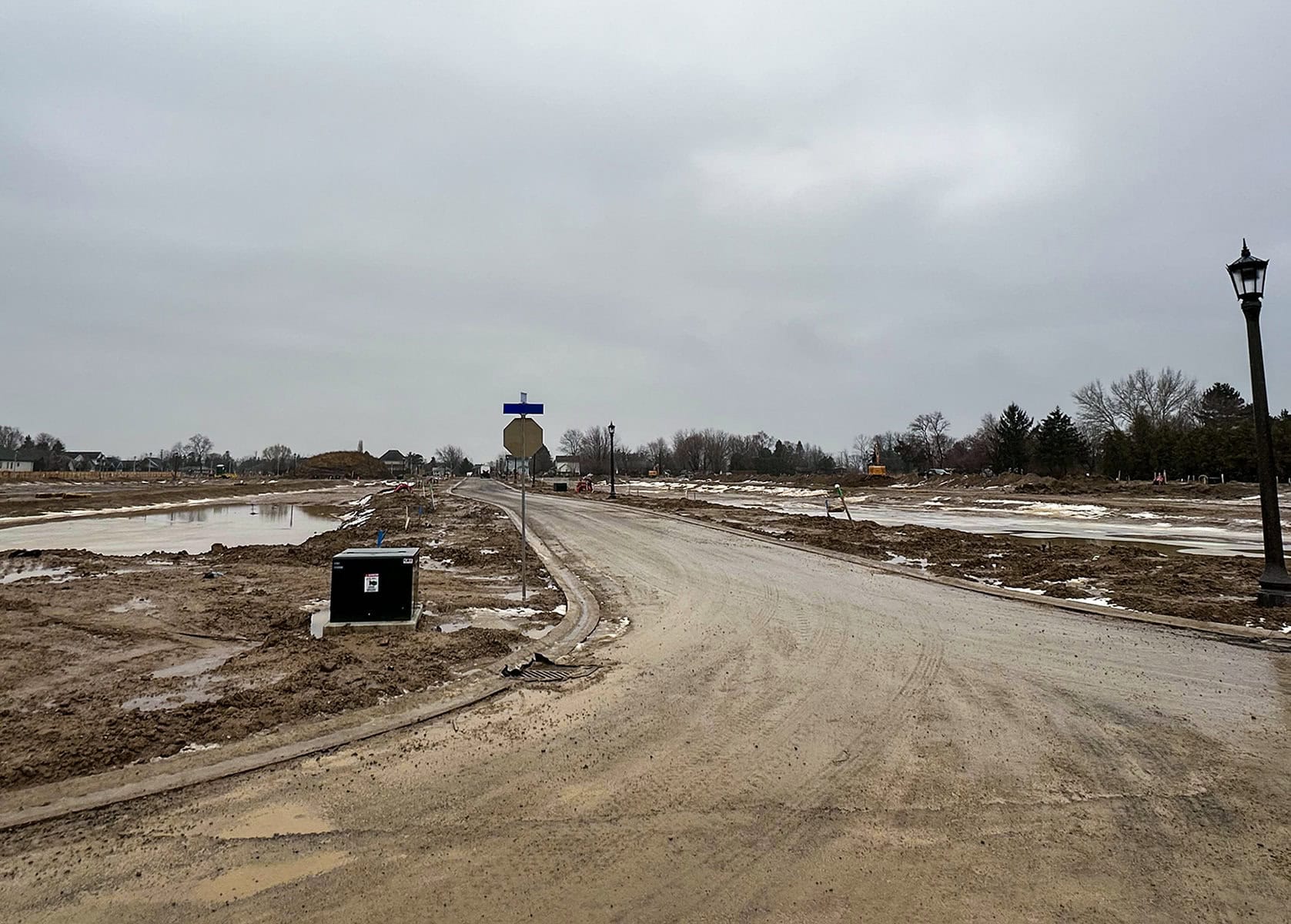
You see, Fergus — like many other cities and towns in Ontario — is under immense pressure by the provincial government to facilitate new development.
Currently, the town has a population of approximately 25,000, which is anticipated to more than double over the next 25 years.
While the town’s mayor, Shawn Watters, suggests they will focus on “growing up in terms of getting physically taller” buildings, he admits there “will be pressure to grow out.”
In fact, the Ford government’s Bill 97 in 2023 and subsequent inclusions in the provincial planning statement calls for the town’s urban development boundaries to expand by 2000 acres.
But here’s the rub: Fergus is completely surrounded by class 1 (the most fertile and productive arable soil in the province) agricultural land. So, the 2,000-acre expansion will sacrifice the food production of several high-yielding farming businesses.
And towns and cities across Ontario are being required to expand similarly.
Oddly, the same government that is actively requiring productive agricultural land to be taken out of production simultaneously claims to recognize the value and contribution of agri-business.
In the Minister of Agriculture, Food and Agribusiness’ message released with the 2025 local food report, Trevor Jones writes, “The agri-food industry in Ontario contributes nearly $51 billion to the province’s GDP and employs over 871,000 people — representing one in nine jobs. With 48,346 farms producing more than 200 different commodities, Ontario is a leading producer of food and currently, providing 54 per cent of the food consumed in Ontario.”
Interestingly, this is a significantly greater GDP contribution than many other sectors (including tourism that generates annual revenues of approximately $17.6 billion less).
Moreover, he suggests that the provincial government has a “10-year goal to increase the production and consumption of food grown and prepared in Ontario by 30 per cent …”
Perhaps the right hand doesn’t know what the left hand is doing?
On the other hand, perhaps because the real estate, rental and leasing sector (existing property transactions, rentals, imputed rents, etc.) generates approximately $111.7 billion and the construction sector (new development and related business activities) revenues amount to roughly $61.7 billion, the agri-food industry has simply been become a photo-op afterthought in Ford government policy.
It is a fact that in 2016, Ontario was losing 175 acres of prime agricultural land per day. Nine years later, in 2025, that rate of loss has nearly doubled to 319 acres per day or 116,435 acres per year.
Since 2001, Ontario has lost approximately 2.2 million acres of farmland (or over 16 per cent of 2001 total) with the highest rate of conversion of arable land to settlement (urban) occurring in the Golden Horseshoe (most land classed as prime agricultural).
As of 2025, 46 per cent of the food necessary to feed Ontario’s population is imported from abroad. In other words, this province is incapable of feeding nearly half of its population.
Should this trend continue, or worse, escalate (as per Ford’s current policies), within this decade Ontario will become a net importer of food — dependent on other countries for the basic necessities of life and highly susceptible to the vagaries of international costs and policies.
Even if we moderate Thomas Sankara’s 1984 statement “He who feeds you controls you” to read “If you cannot feed yourself, you are dependent on the goodwill of others,” in the last year, U.S. President Donald Trump has amply demonstrated that goodwill — even between the “closest allies and friends” — is a very fragile thing.
Food sovereignty and security must be considered paramount in all government policy. Otherwise, we may find ourselves as a banana republic — the beggars at the table.
Combining the need for new housing and the requirement for food security in public policy will require a bold new direction (see one concept in the March 1, 2022 Arch-i-text column, “A new vision for affordable housing“) by a government with guts, vision and a commitment to the people of this province above political expediency.
Unfortunately, that’s something that has not been seen in this province for way too many years.
Brian Marshall is a NOTL realtor, author and expert consultant on architectural design, restoration and heritage.