



Steve McGuinness
Special to Niagara Now/The Lake Report
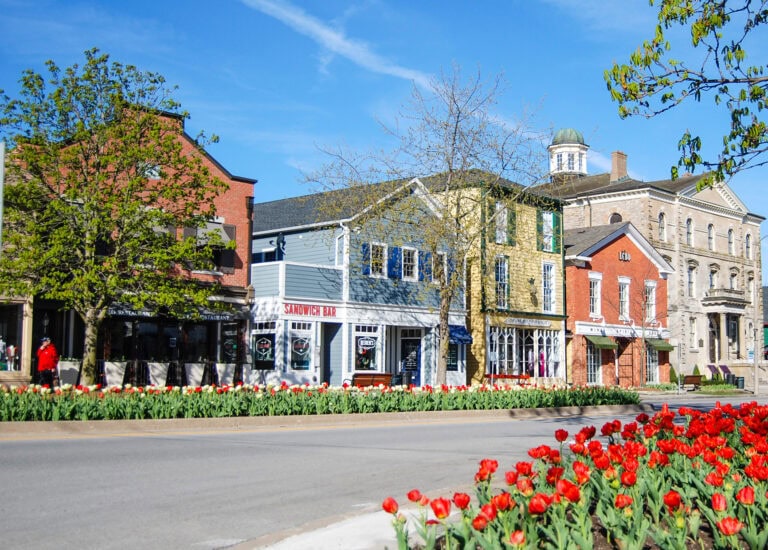
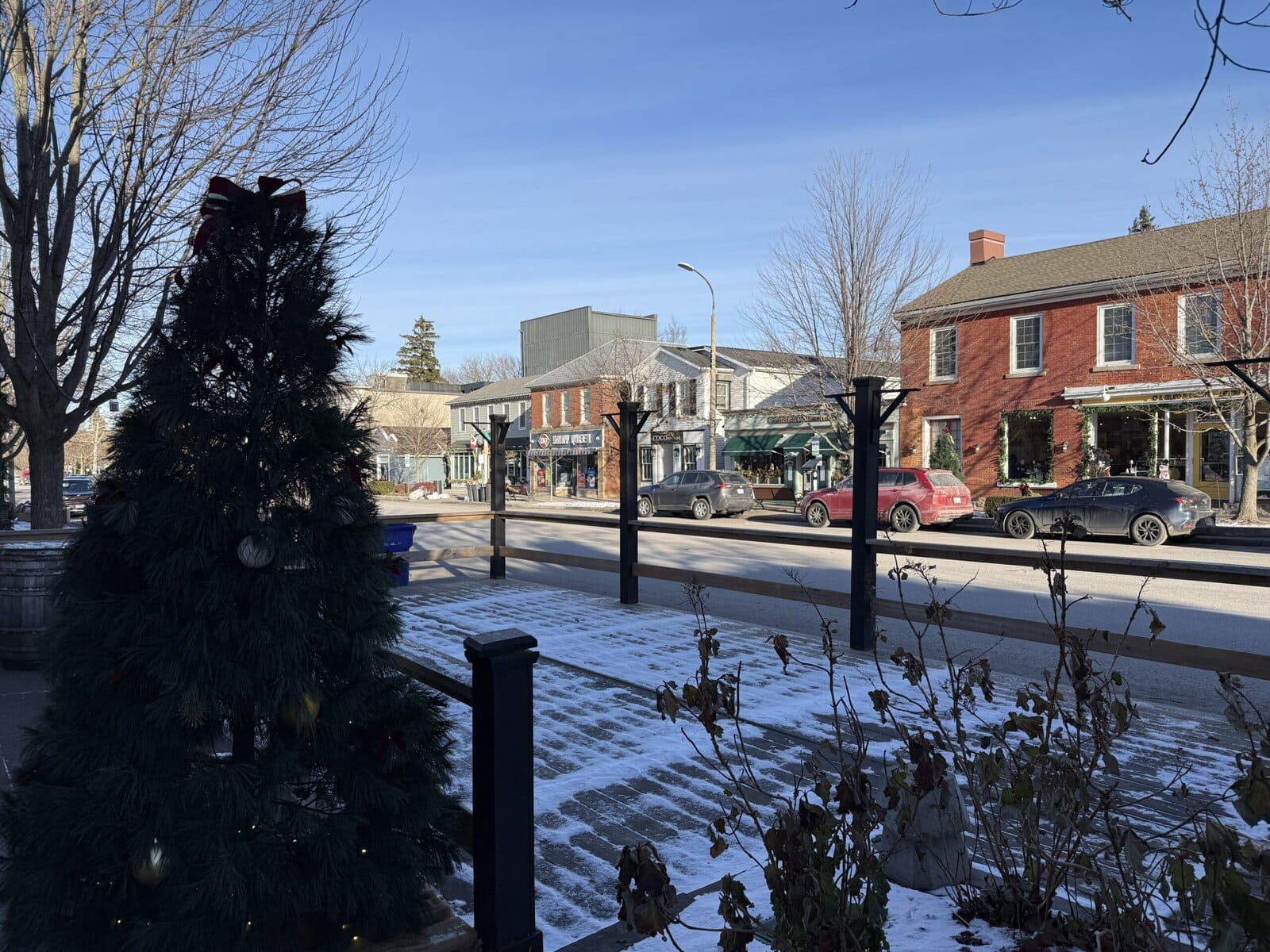
Group table reservations are in scarce supply this festive season. In warmer months, parties could spill outside onto patios to meet surges in table demands. This past summer, many busy roadside patios dotted Queen Street, some placed on municipally owned curbside parking stalls.
The use of old town roadway for patios dates back to the onset of the COVID-19 pandemic, when distancing precautions closed indoor dining spaces. Offering the opportunity to dine al fresco threw a lifeline to small businesses confronting financial ruin, observing province-wide public health orders.
After infection levels fell, our town continued to extend the “temporary” patio permits. This year town council finally decreed, effective Dec. 31, that all “temporary” restaurant patio permits will expire. Some owners have dismantled their patio structures already, although several remain defiantly in place.
There is no hope left for an 11th-hour patio reprieve, despite endless council debates. A recent chronology prepared by town staff shows no less than 20 discrete patio-related matters coming before council with related staff reports, between June 2020 and today.
Other Ontario municipalities have dealt with these patio transitioning issues with finality, devising methods for granting and renewing permits every season. Their patio operators follow rules regulating size and appearance, also ensuring that public safety and health objectives are met. The patios are especially popular among patrons with accessibility issues or canine companions.
Are there some unique challenges here in NOTL that other municipalities with permanent patio policies don’t confront? Or, is our council less adept at balancing competing business, resident and tourist interests?
The debate has turned nastier and more contentious here, with competing businesses angrily facing off.
Coun. Maria Mavridis has emerged as a lightning rod for this fractiousness during her first term. She assumed her council role expecting to leverage her own practical business experience operating Corks Wine Bar on Queen. But a perceived conflict between her full-time role as a restaurateur and her part-time council role quickly surfaced.
Councillors must self-declare a conflict of interest when they have a “pecuniary interest.” Pecuniary implies having a personal financial stake. The onus is placed on individual councillors to declare such conflicts.
In case of ambiguity or uncertainty, the town’s appointed integrity commissioner can conduct a review, initiated either by councillor referral or a resident complaint.
Corks Wine Bar has its own integrated patio space out front of its property. Its commercial tax assessment is based on the market value of the entire property, including that area.
The Sunset Grill, on the other hand, depended on curbside parking stalls for patio space. The town did not impose a seasonal square footage charge for that space’s use to compensate for lost metered parking revenues.
Sunset’s proprietors disagreed with the integrity commissioner’s ruling that Coun. Mavridis was conflict-free, appealing to a tribunal. The town incurred legal fees in her defence.
Mavridis argued that Corks, as a wine bar, caters to customers later in the day than those served by a breakfast chain, avoiding direct competition. The appeal was eventually dropped.
Two other popular heritage area eateries are also seeking permanent solutions to expiring patio permits.
The Irish Harp Pub proposes to pay $460,000 cash-in-lieu of parking to maintain its patio — a pricetag demonstrating how lucrative outdoor dining can be.
Meanwhile, the Olde Angel Inn is seeking a zoning change to make its 137-seat patio permanent, without adding or paying for parking.
A business owner opposed to the Angel proposal ignited a fiery exchange at a Dec. 2 council chamber session.
Restaurateur Gina Angelakopoulos argued that granting the Angel request would sanction their prior non-compliance, thereby placing bylaw-abiding businesses, including her competing Epicurean restaurant, at a disadvantage.
In a very unusual procedural disruption, chair Tim Balasiuk allowed CAO Nick Ruller to fact-check her prepared remarks in real-time.
The only thing certain about this ongoing great town patio debacle is that it is not over.
The issue will undoubtedly resurface during the Queen Street heritage district secondary plan debate and the related parking study. Our next council may rise to the challenge and act more decisively then.
Prepare to fasten your patio table seatbelts when the wild ride resumes.
Steve McGuinness, CPA, is retired from a career in financial management on Bay Street. He holds degrees in political science and business administration. He offers reflections on public policy issues within our community. stevemcguinness94@gmail.com