



May I politely and respectfully ask, “What was with the black maple leaves on the sweaters worn by our women and men hockey players at the recent Winter Olympic Games in Italy?”
Some things in life are sacrosanct, not to be changed or even modified. Inviolable, as it were.
Since the apparently nation-building Summit Series in 1972, a red or white maple leaf, sometimes stylized, has proudly identified our international ice hockey players. Niagara’s own Terry O’Malley had creative input in the edgy design of those sweaters.
Generally speaking, I love the Olympic Games and what they accomplish. Much of the world has something in common to watch. Tourism marketing opportunities abound and are shamelessly exploited. Infrastructure projects get expedited.
Obviously the whole concept is flawed, but today I will not ramble about the deep and worrying issues of current and future games. But, to be repetitive, what was the point of having black maple leaves on the Canadian ice hockey sweaters? Was it Nike’s creative folks dictating to our national Olympic bosses?
To watch so many athletes competing at the highest level in so many disciplines has to inspire even the most jaded and uninformed watchers. Every Olympian has trained so hard for a long time, being indescribably disciplined, and sacrificed so much to get to the games.
Such a miniscule percentage of the world’s population makes it. Rosie DiManno wrote in the Toronto Star that only “0.0000017 per cent of the world’s population will compete at the Olympic Games.” Who am I to doubt her?
Hall of Fame baseball player Edwin Donald “Duke” Snider thoughtfully said, “You don’t have to win to be a winner. If you give 100 per cent, getting yourself mentally and physically prepared, if you look in the mirror and can say you gave it everything to win, that’s it. You’re not going to win every time.”
God bless the Duke of Flatbush, who was a unique part of the colourful Montreal Expos baseball story.
Quick rambling question: athletes from Quebec dominate our Canadian short track and long track speed skating teams. These skaters have won a lot of medals representing Canada at Winter Olympic Games. Beaucoup. They can really skate fast.
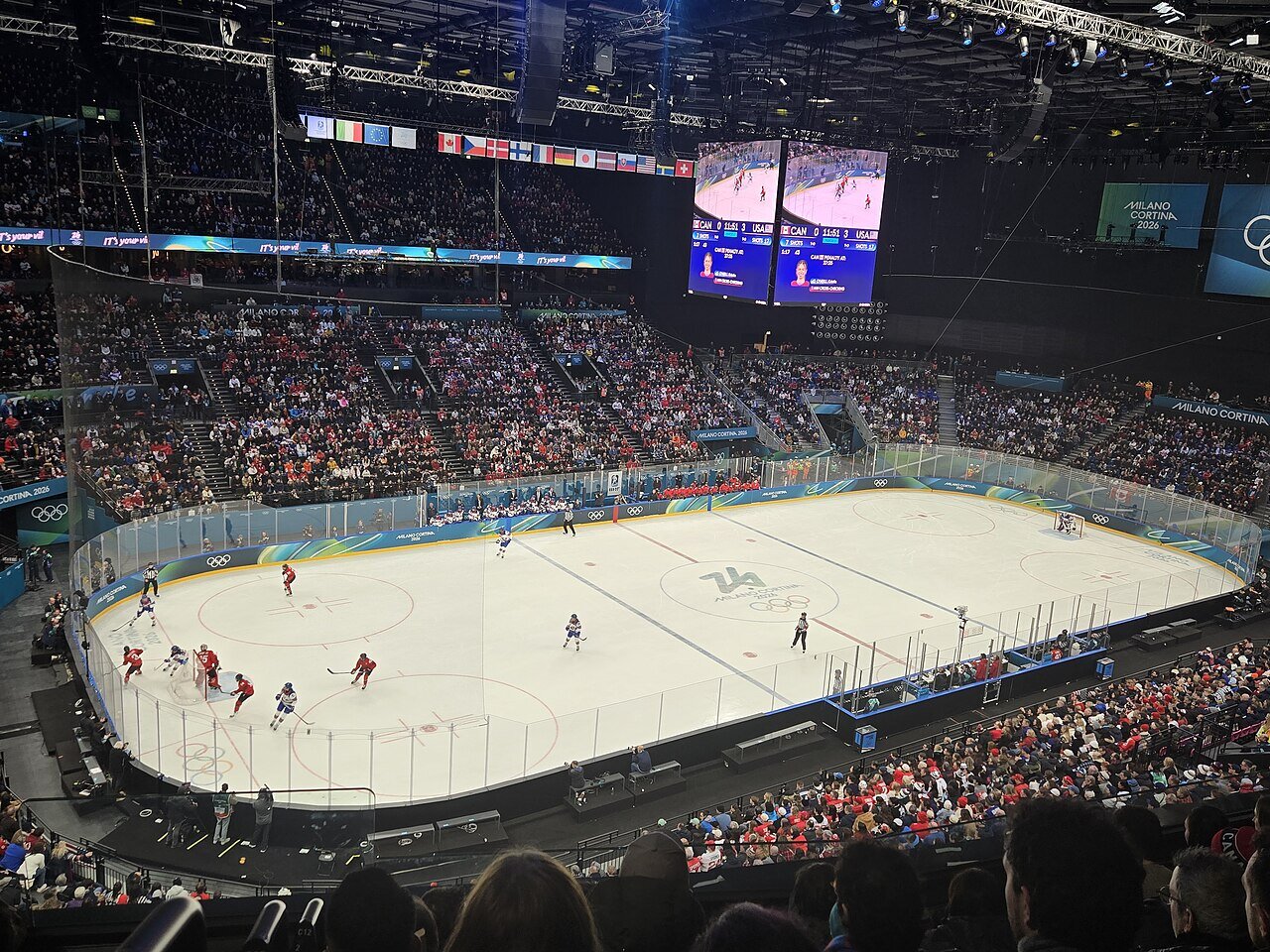
During the recent gold medal men’s hockey game between the U.S. and Canada, which was magnificent and very emotional, I realized that there were no Quebecois on our team. What gives? They have excelled wearing speed skates, so what’s the problem with hockey skates?
Or am I overthinking this?
Yes, I really love the Olympic Games. I have felt the magic of being at the centre of the world’s focus — twice. Not as an athlete, but working in the Olympic Village dining halls in Munich and Montreal. Such logistical miracles, such hard work, and such an education to see the world’s best athletes living at close quarters.
Speaking of that, I love that the U.S. hockey teams lived in the Olympic Village. Cheerfully, and wide-eyed. Marvelling at the world’s best athletes, and sleeping in small beds. Often thin walls. They really seem to get into the Olympic spirit. Did the Canadian men only stay in the village for one night? If so, not a good look.
Putting on the Winter Olympic Games is expensive, for such a small number of athletes and spectators. We don’t want to know the cost of building the ski jump, the half pipe and the icy chute for the bobsleigh, luge and skeleton.
And so dangerous. Too many images of air ambulances airlifting seriously injured Olympians from their competition venues to local hospitals.
As I ramble to a close, I will repeat: I love the Olympic Games.
Bonnie Blair, an Olympic Gold medalist in speed skating, said, “Winning doesn’t always mean being first. Winning means you’re doing better than you’ve ever done before.”
One more quick vignette. In 1996, at the Olympic Games in Atlanta, the aforementioned Nike launched a very expensive marketing campaign. Billboards, TV ads, you name it. “The silver medalist is the first loser.” People were aghast, and the campaign was pulled the next day.
Now, last week in Italy, did the black maple leaves make any difference?
Our Canadian ice hockey players did their best.