



A sport is not a sport without sportsmanship. I am going to ramble about the big kerfuffle playing out at the Winter Olympic Games. Not on a mountain or in an ice rink. At the curling rink. Do you believe it?
In the past, sometimes one incident or character has become the enduring memory of a particular Games. Think Eddie the Eagle in Calgary in 1988 and Jesse Owens in Berlin in 1936. Now, we jump all the way to this year in Milan-Cortina (or is it Milano Cortina?)
Here at The Lake Report, my filing deadline is forcing me to write this Ross’s Ramblings while the games are about half-way completed over in Italy. So the defining incident may not have taken place yet. As the games continue, let’s cheer, cheer and cheer for our wonderful Canadian athletes as they do their absolute best.
They are all giving it their all, and some will get to the podium to receive an Olympic gold medal. Or silver or bronze.
Here goes.
What a shock! Usually some hockey coaches are the premier cursers. It is beyond belief what the NHL allows, and one doesn’t have to be a skilled lip reader to comprehend the profane words and thoughts. Hockey players, some of those crazy snowboarders, and a few aggressive short-track speedskaters. Rather potty-mouthed, in both official languages.
Since the first Winter Olympics in 1924 in Chamonix, curlers have politely competed sometimes. Usually barely being noticed. The players enforced the rules, and all seemed well. No referees or officials noticeable on the ice.
But the cussin’ curling story has hijacked these 2026 Winter Olympic Games. I have already had several calls and emails from sports fan pals in the States about the unpleasant, expletive laced yelling match between our Mark Kennedy and Sweden’s Oskar Eriksson.
This rather bizarre story has taken on a life of its own. Olympians, national sports organizations and sports officials at the highest levels are weighing in, and already officials have appeared near the hog lines to keep the games as fair as possible.
In my crystal ball, at the 2030 Winter Olympic Games, I think we will have curling referees in black and white striped shirts, blowing whistles to signal infractions.
Hey, not that long ago here in Canada, the fitness levels of our international curlers had to be formally legislated. A few too many pot bellies were in the house, near the hack. Also, no smoking, and no alcohol on the ice. Not to be repetitive, but not that long ago.
So now let me ramble on to some really interesting information about the stones that have purportedly been “double touched.” Well O.K., maybe sort of interesting.
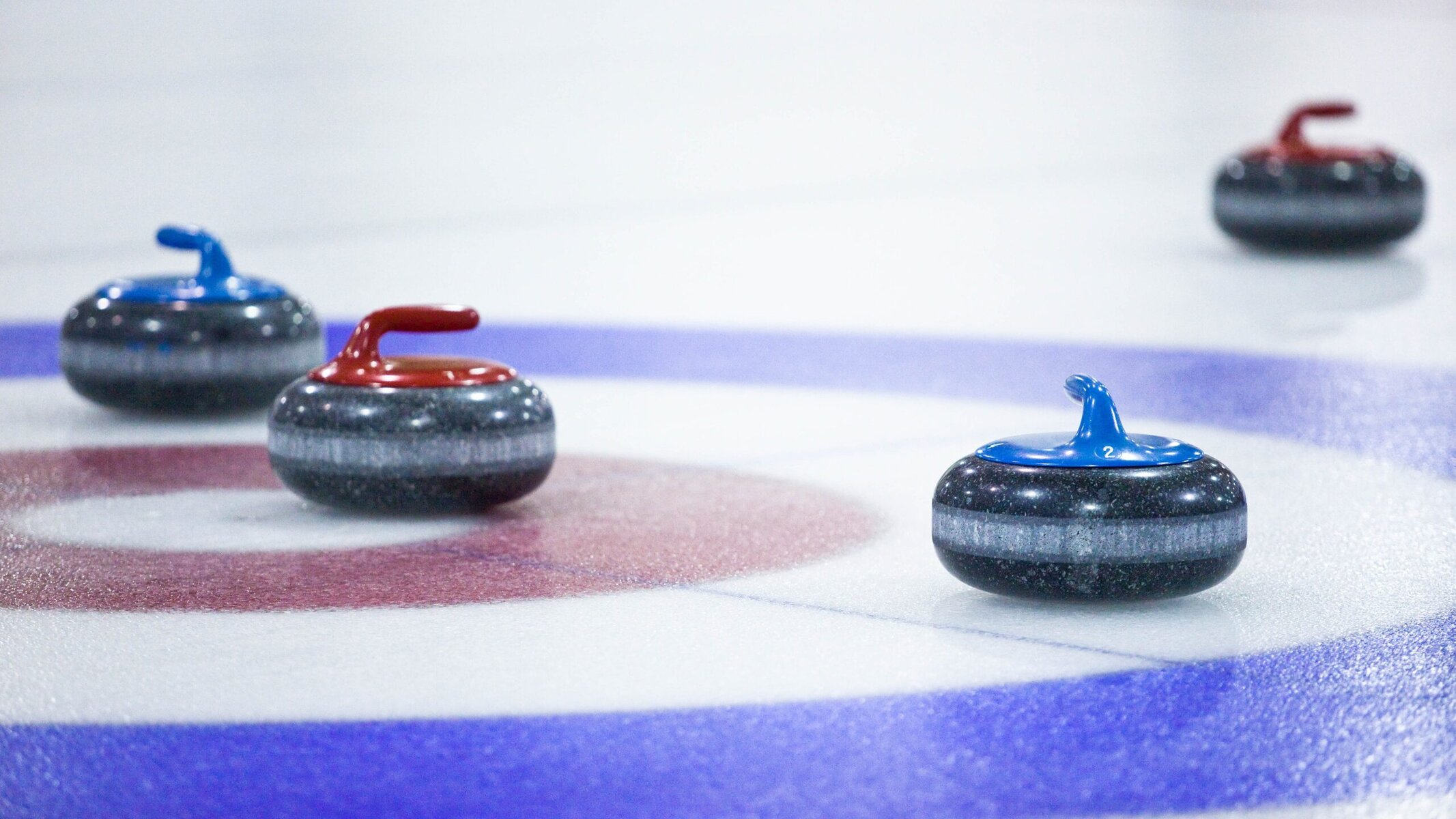
Every single curling rock used in the Olympics is made from granite quarried from one small uninhabited Scottish island in the Firth of Clyde. The island is Ailsa Craig. Northwestern Scotland. Remote.
Allow me to quote Matt Slater of the Athletic, as printed in the Feb. 16 edition of the New York Times: “They are shaped and polished at an old factory in a small town on the mainland and approved by a craftsman who does not even play the game.”
Curling stones from Kays Scotland cost from USD$960 each.
Yes, I am rambling, but years ago when I was a curler, the stones fascinated me. How could two rocks, each weighing 44 pounds, collide at high speeds and not chip or crack? The curling paths of the stones were possible because the sheet of ice had been “pebbled” by a very talented ice technician.
This, at curling clubs across Canada and in some other spots in the world.
Canadians have dominated curling for many years. Now, let’s be good sports and help out as curlers from other nations catch up to us.
Pebbled? Stones? Rocks? I’m confused.
Cheer for the Canadians as these Winter Games wind up. C’mon, cheer harder.
And let us wonder why Lindsey Vonn’s medical team didn’t tell her she couldn’t compete, after suffering a ruptured ACL only a few days earlier?
But what do I know?
Go, Canada, go!