
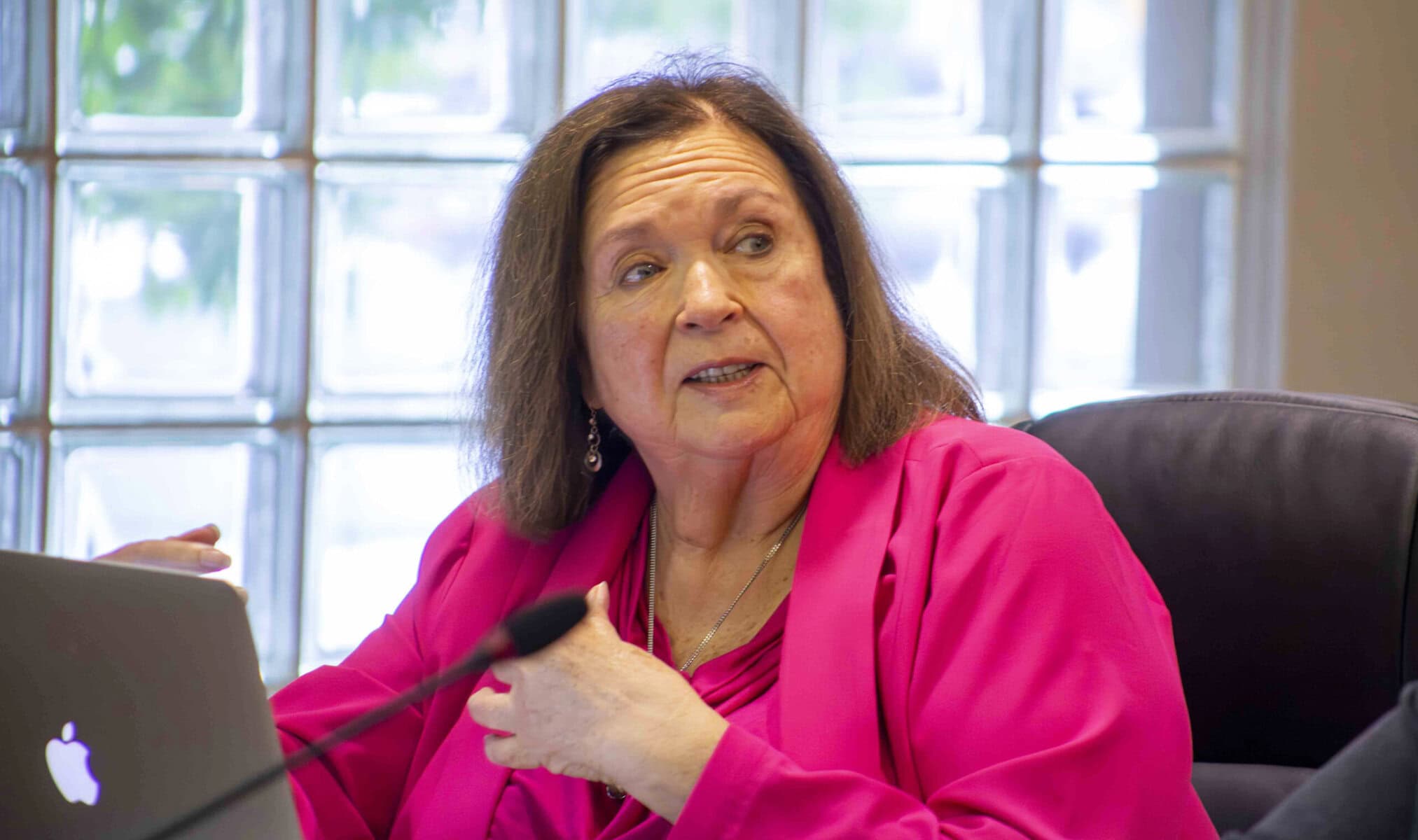


Plans for an accessible trail were missing from Niagara-on-the-Lake’s new five-year accessibility plan approved unanimously by council last week, and Coun. Sandra O’Connor wanted to know why.
The plan is required under provincial accessibility legislation and will guide the town’s work through 2031. Projects requiring additional funding will still need to go through future budget and other approvals.
But the plan was not approved before O’Connor questioned why creating an accessible trail was not among its goals.
“I don’t see that being reflected in this five-year plan,” she said, referring to a previous delegation that raised the need for trails usable by people with walkers and wheelchairs.
Coun. Wendy Cheropita pointed to paths along the Niagara Parkway, the Commons and portions of the Upper Canada Heritage Trail that are accessible to people using walkers and wheelchairs.
She and Lord Mayor Gary Zalepa suggested making residents more aware of those options.
Jay Plato, the town’s fire chief and director of community and protective services, said he could take O’Connor’s suggestion back to the joint accessibility advisory committee, which helped develop the plan.
The plan sets out accessibility goals for town services and facilities ranging from sidewalks and washrooms to customer service and online information.
Among them, the town plans to survey sidewalks for barriers, study the need for braille and large-print signs, install adult change tables in facilities and improve accessible washrooms in the older portion of Centennial Arena.
It will also explore a fenced park intended to improve safety and accessibility for children with disabilities.
The town also wants to give people with disabilities a way to register for programs without using the internet, such as by phone, in person or through a designated staff member.
Coun. Gary Burroughs questioned how the five-year plan would carry over to the next council after this fall’s election.
“How does that work for an incoming council?” he asked.
Chief administrative officer Nick Ruller said the document is meant to guide, rather than dictate, the next council’s work.
“So the intent was to have this prepared, and the next incoming term can prioritize the work,” he said.