



Niagara-on-the-Lake will provide short-term relief for businesses affected by the region’s move to privatize non-residential recycling collection.
On Tuesday, council voted to offer twice-weekly cardboard collection until Dec. 31, 2026, for 67 businesses in Old Town’s downtown designated business area.
The province has shifted recycling collection to producers rather than municipalities.
Producers chose not to collect residential and non-residential recycling on the same vehicles, leaving Niagara Region responsible for handling non-residential recycling. The region determined that continuing to collect it would be prohibitively expensive.
As a result, the privatization of non-residential recycling begins in Niagara Region on Jan. 1. Residential recycling remains unchanged.
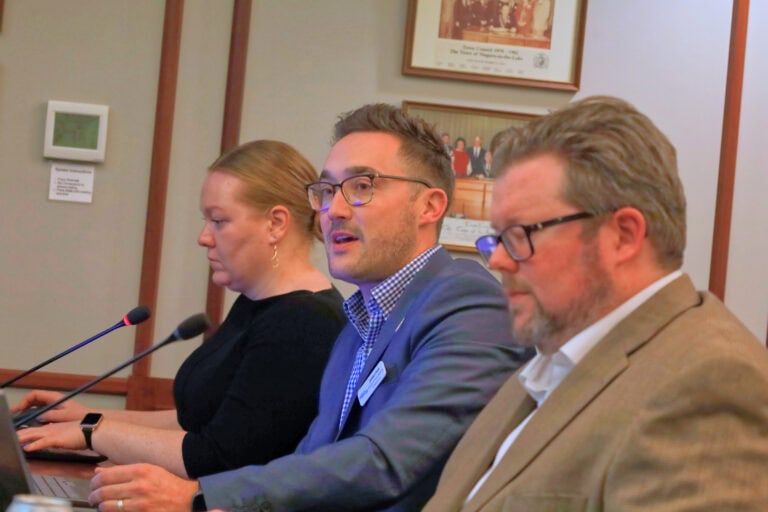
Town treasurer Kyle Freeborn told council there are 463 non-residential properties in NOTL, with Old Town experiencing the most “concentrated” impact of the switch in recycling collection.
A staff report estimates the program will cost just over $63,000, funded through the municipal accommodation tax. Staff will return early next year with options for what to do after next December.
Councillors broadly supported the temporary measure. Coun. Gary Burroughs said he is concerned about the long-term consequences of shifting recycling responsibility to producers.
“The province has rushed into this,” he said. “There’s all sorts of problems. People are going to say ‘Why recycle? Just throw it out.’”
Coun. Erwin Wiens questioned why the town was stepping in for Old Town’s tourist area but not for farmers in rural parts of NOTL.
“Those packing houses are putting out way more than what Queen Street is doing,” he said.
Wiens and Coun. Wendy Cheropita also raised concerns about the ongoing “downloading” of responsibilities from higher levels of government to municipalities, a trend Wiens said has persisted the last 30 years.
Lord Mayor Gary Zalepa, who also sits on regional council, said Cheropita was “off base” in her comments about downloading. Freeborn responded by explaining how the new collection system works while noting the shift toward privatization.
Wiens stressed the temporary nature of the town’s plan, which is funded through accommodation tax revenue.
“It’s applicable in this situation, but it’s not a solution,” he said.
daniel@niagaranow.com