



A snow-swept Fort George opened its gates for its annual Garrison Christmas, offering visitors a rare glimpse into how Canadians in the early 19th century celebrated the holidays.
The free weekend open house ran Dec. 13 and 14 at Fort George National Historic Site, showcasing British-influenced Christmas customs adapted to Upper Canada through traditional music, food, crafts and guided tours by staff.
The event marked about 15 years of winter programs at a site that most visitors only see during the summer.
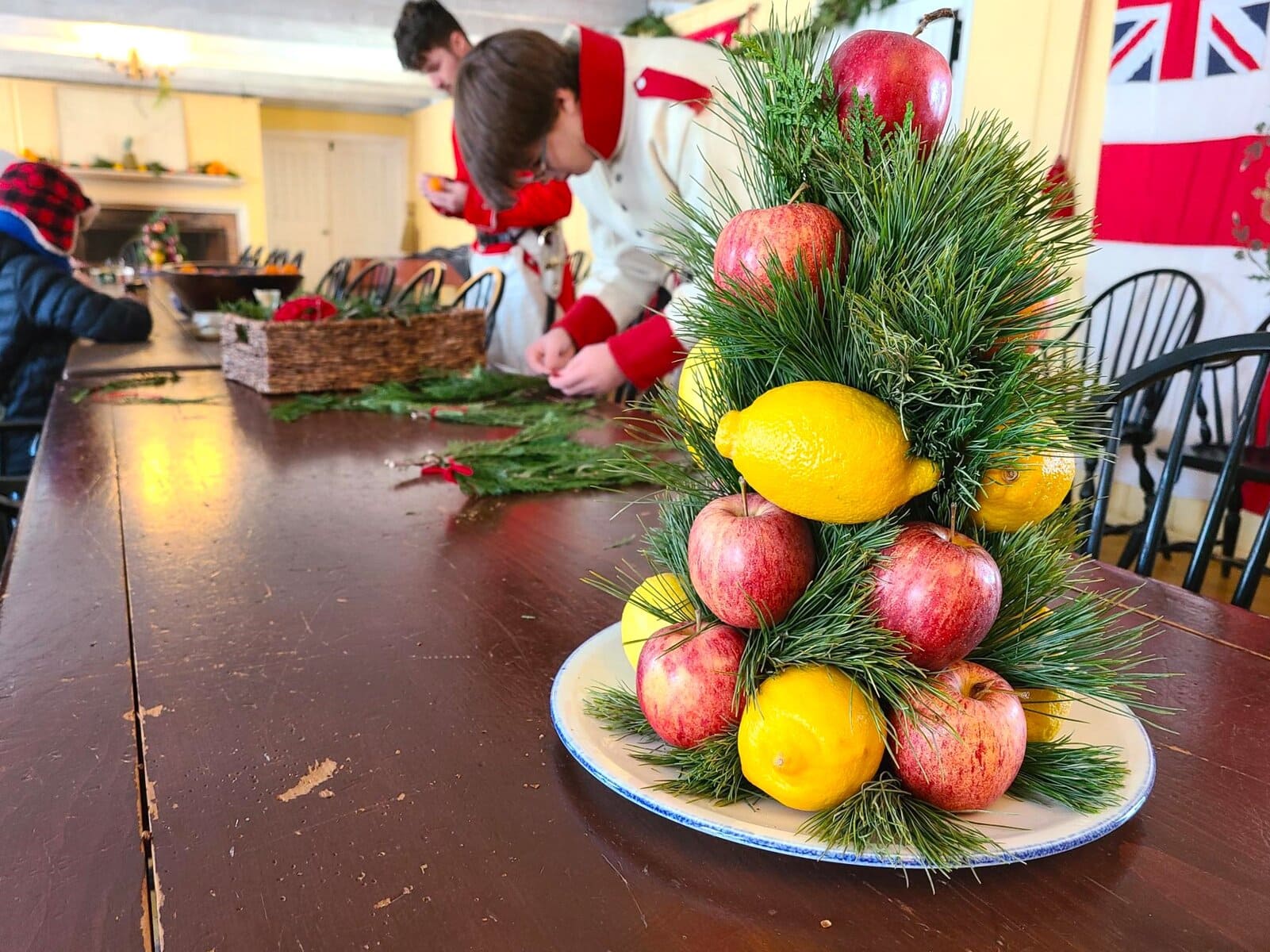
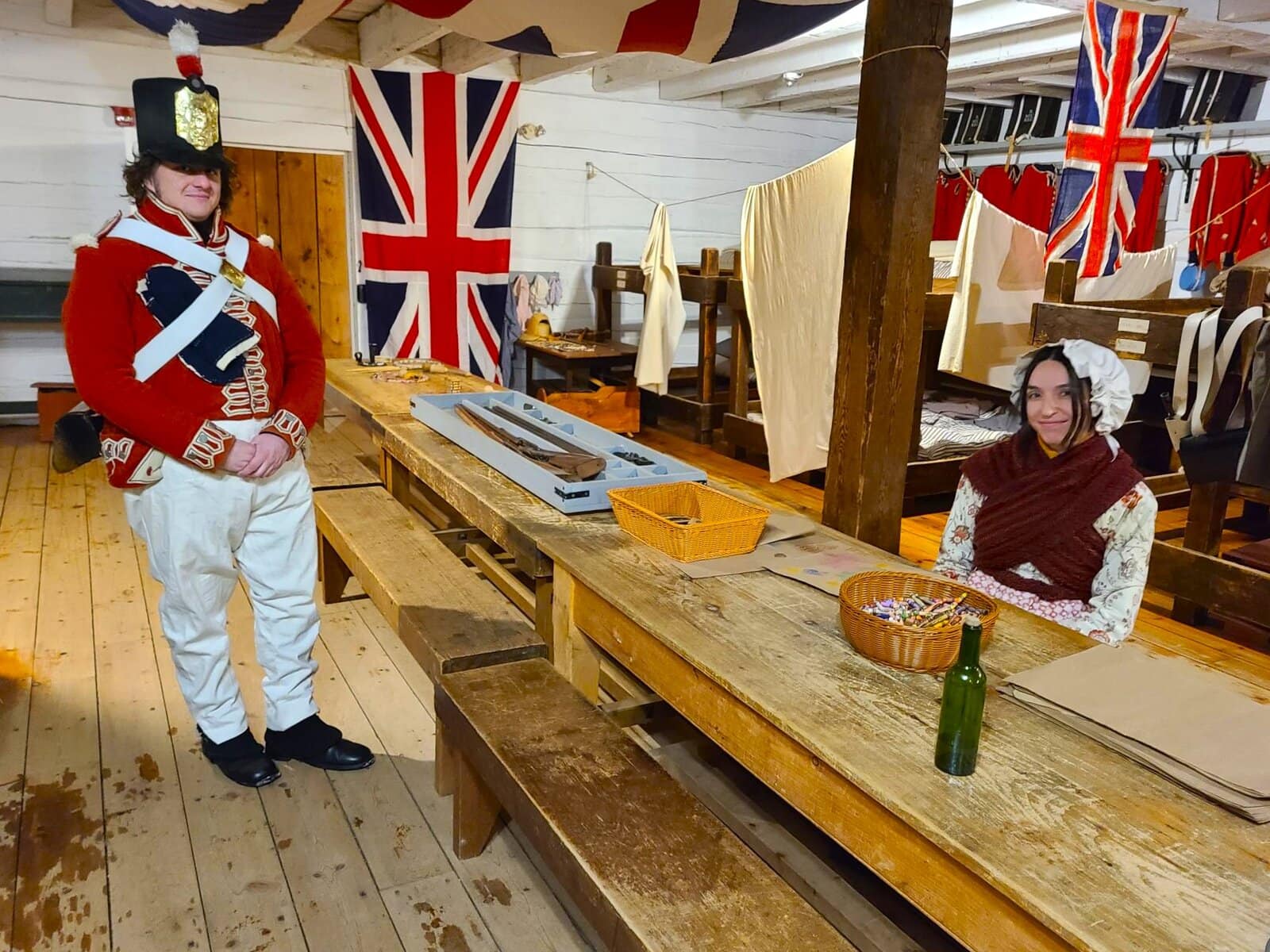
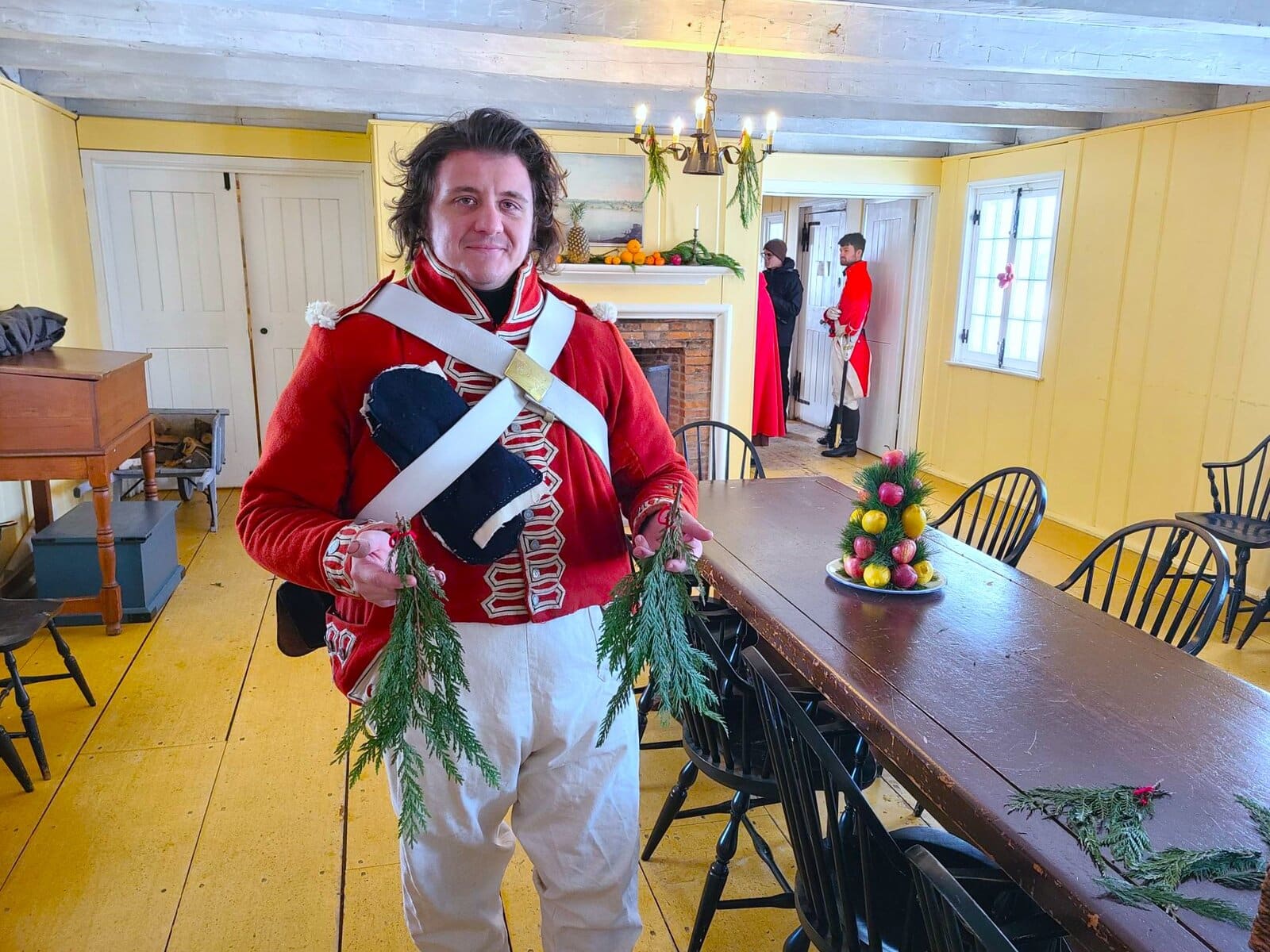
Visitors moved through fire-heated buildings decorated with evergreen boughs, citrus fruit and other period-accurate decorations while interpreters explained how soldiers and families marked the season more than 200 years ago.
“We try to keep it as historically accurate as possible,” said Sam Challen, interpretation co-ordinator at Fort George. “Obviously, there was no Canadian Tire or Home Hardware to go and buy tinsel and Christmas lights back then, but many families did try to decorate the best they could.”
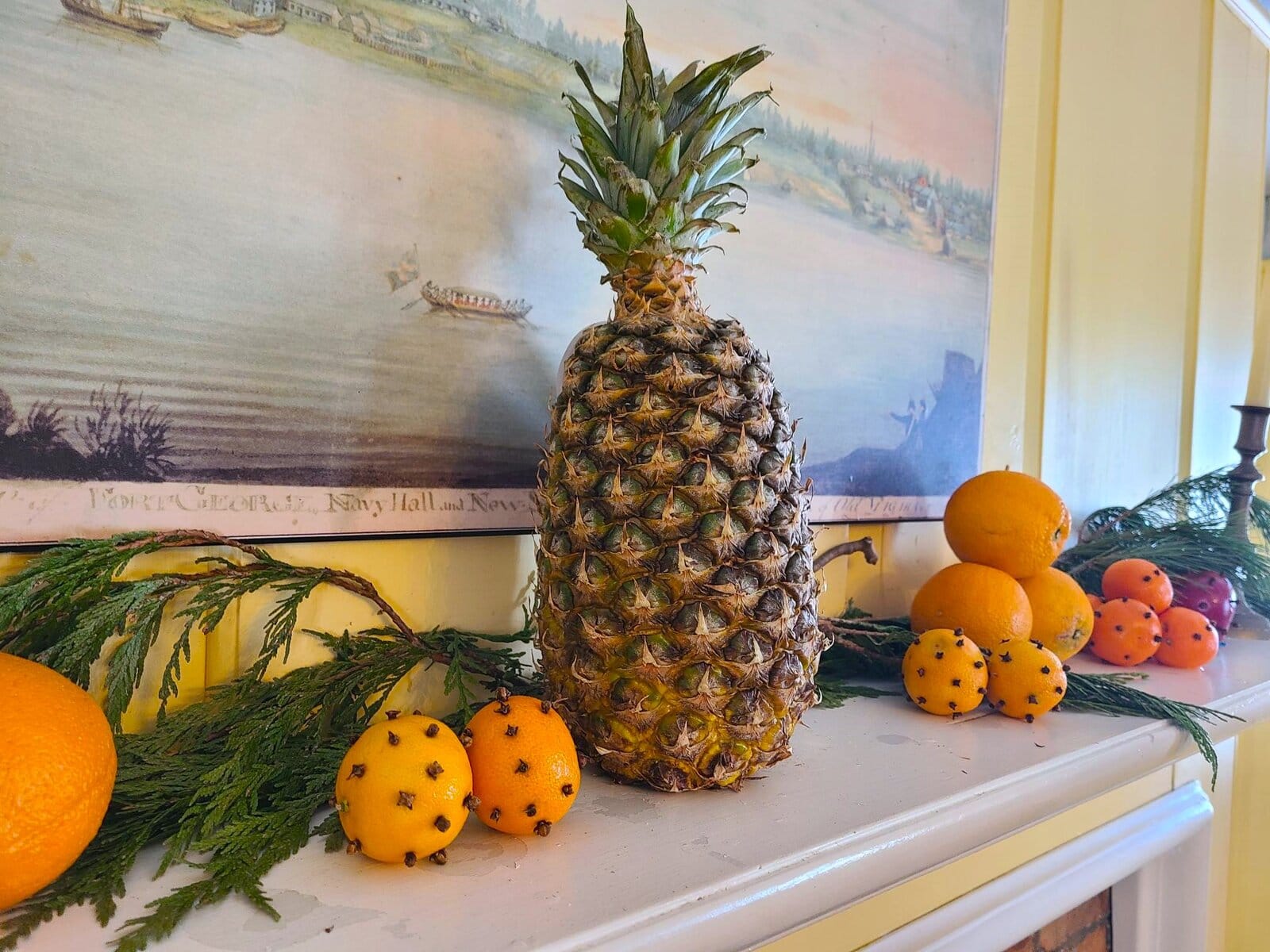
Decorations leaned on what settlers of British origin would have known, such as decking halls with greenery. Holly and ivy, both common in Britain, were replaced with local evergreens, including cedar.
Fruit served as both ornament and food with lemons, oranges and a pineapple displayed as prized imports.
Visitors made pomanders by pressing cloves into clementines creating a citrus and spice scent meant to last through winter. Others tied cedar swags with red yarn to hang at home.
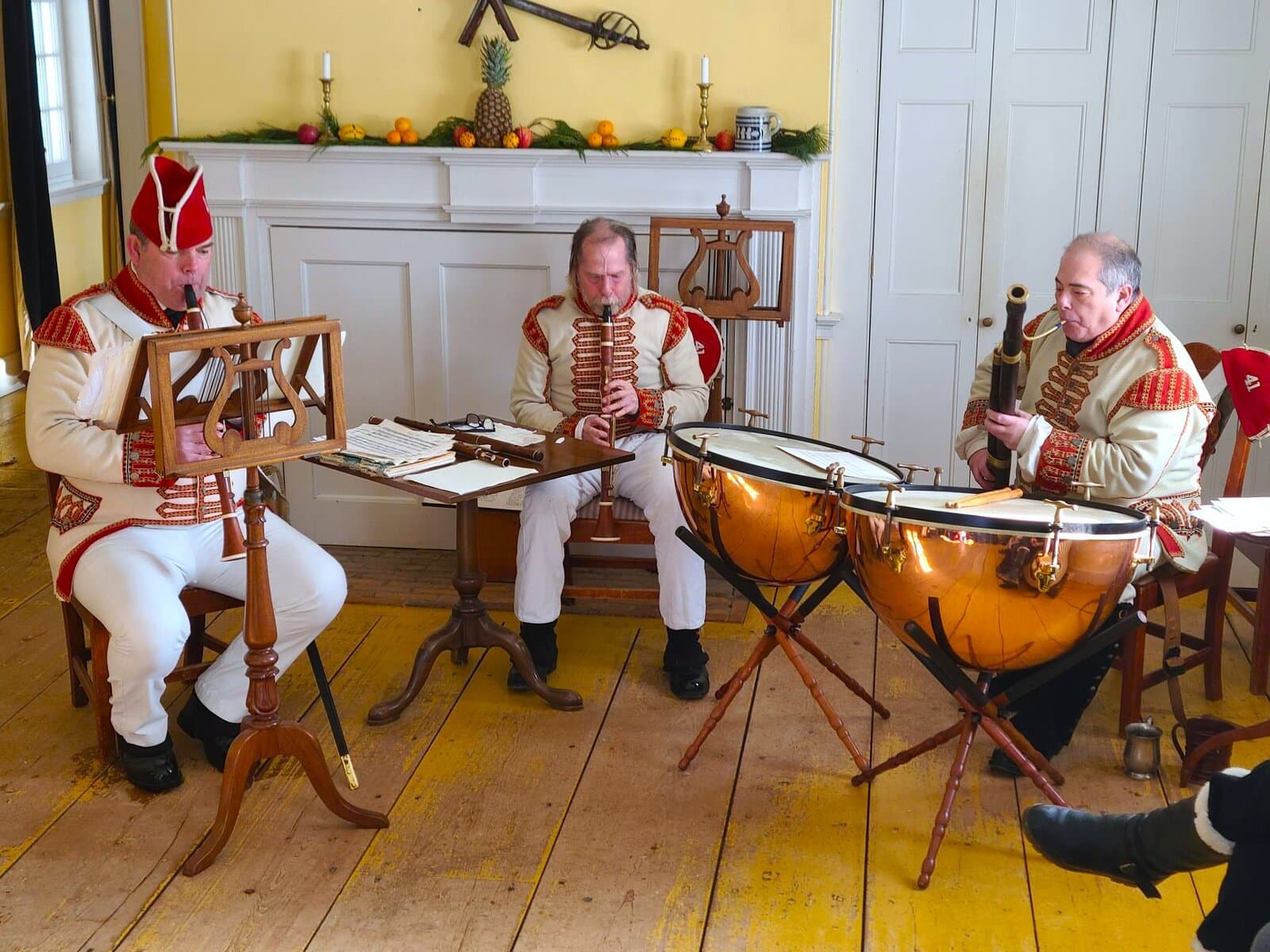
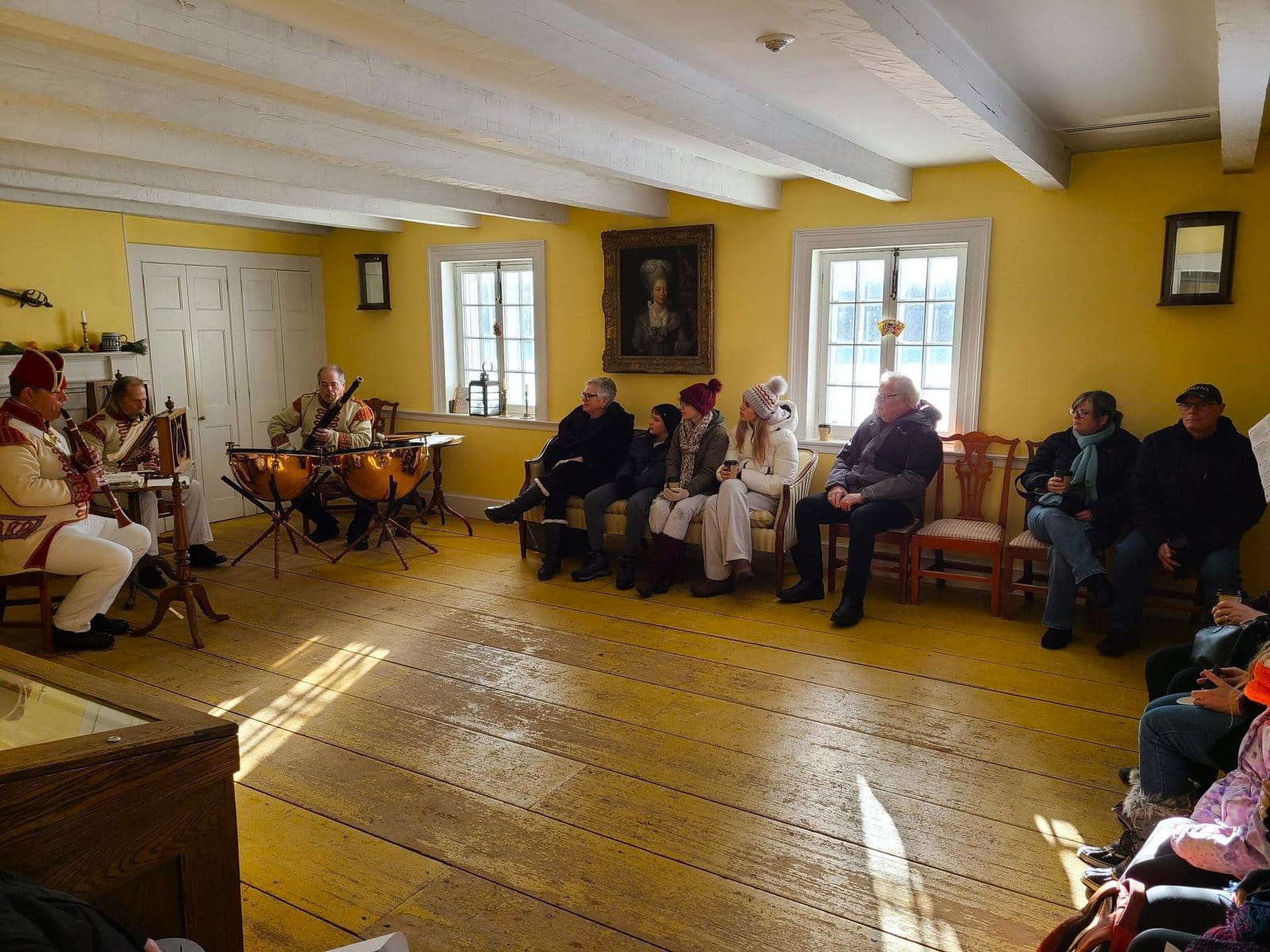
Peter Alexander, Fort George’s historic music co-ordinator, played some traditional holiday songs and British Army standards, many dating to the 18th century, on woodwind alongside Parks Canada education and military co-ordinator Gavin Watt and longtime Fort George historian Peter Mitchell, reflecting the role of regimental bands in the early 19th century.
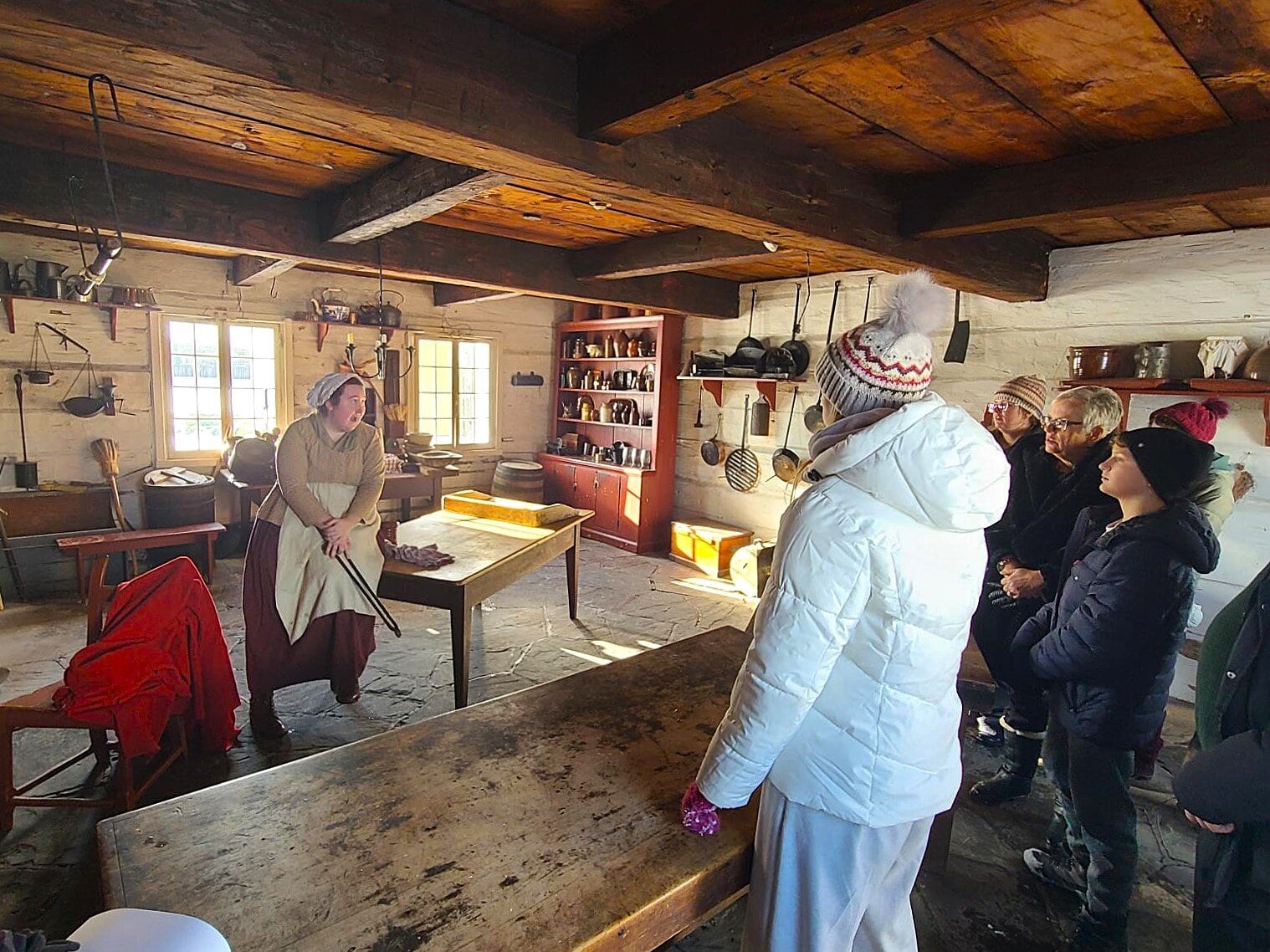
In the officers’ kitchen, historical cook and volunteer Madison Hobbins baked cookies on the hearth using translated period recipes.
“We usually use a modern translation of a historic recipe because the original ones did not include precise quantities like we expect today,” said Hobbins.
Challen said Christmas differed from much of the year because supplies were highest after harvest. Soldiers often bought extra ingredients like dried fruit, fat and beer to prepare special English meals, including plum pudding.
“Christmas was a time of plenty for many people because the harvest had just finished and food had been laid up for the winter,” he said.
The goal he added was to show the human side of a military site often defined by the War of 1812.
“The people who were here were part of history, but they were also people just like us,” said Challen. “Their lives were not only about fighting in the War of 1812.”
Fort George plans further winter activities including a New Year’s Day levy hosted with the Friends of Fort George and an “Improv 1812” event scheduled for Jan. 24, with details posted on the historical site’s website, friendsoffortgeorge.ca.