



Niagara-on-the-Lake is standing up to the province against its plan to merge Niagara’s environmental conservation agency with several others in southern Ontario — a move some councillors say could weaken local decision-making on flooding, water quality and environmental protection.
Council unanimously endorsed a motion from the Niagara Peninsula Conservation Authority opposing the province’s plan to fold its group into a new Western Lake Ontario Regional Conservation Authority, spanning Niagara, Hamilton, Halton and Peel — an area serving 28 municipalities and almost two million people across roughly 4,900 square-kilometres.
This is part of the Ontario government’s goal to reduce its 36 conservation authorities into seven larger bodies that would cover much bigger geographic areas and populations.
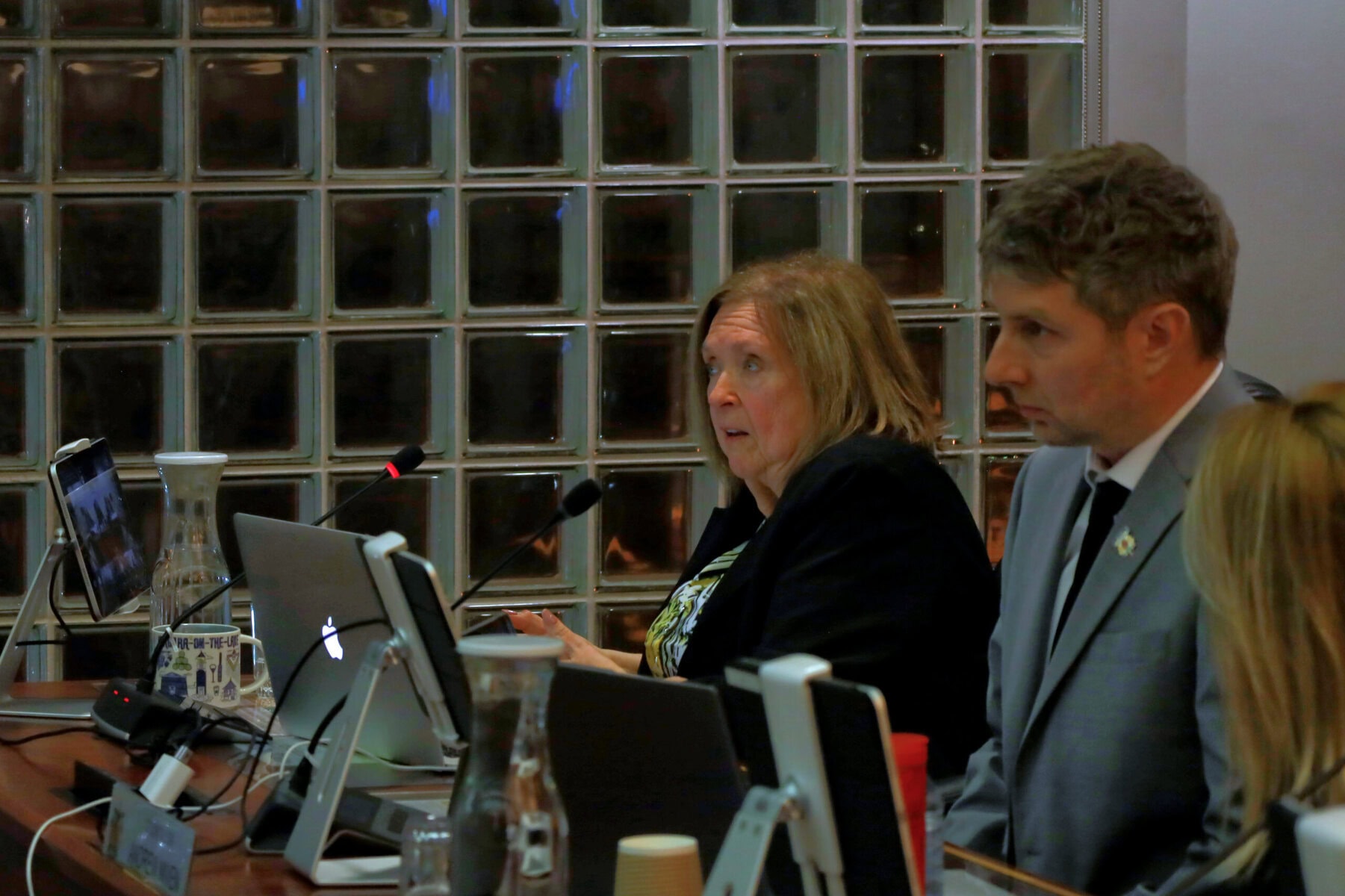
The endorsement, brought forward last Tuesday by Coun. Sandra O’Connor and seconded by Coun. Gary Burroughs, backs the one passed by the conservation authority on Dec. 5.
“This motion would place us with several other municipalities, letting the province know where we stand on the issue and how important flood protection and water quality, along with the environment, is to us,” O’Connor told council.
She said the scale of the proposed authority risks sidelining NOTL and other Niagara municipalities, even though the region makes up a significant share of the land base affected.
“Niagara, the region, is almost 50 per cent of the land area jurisdiction of this new conservation authority,” she said. “This change would be risking local representation at the Niagara region.”
She said conservation authorities are designed to operate on a watershed basis to prevent flooding, conserve natural areas and protect water quality — work that depends on local knowledge and accountability.
“Restructuring at this scale would erode local decision-making, weaken municipal accountability and disrupt long standing community partnerships that are central to delivering responsive watershed managing,” O’Connor said.
She added that NOTL lost its direct appointed representative on the conservation authority following an earlier restructuring of its governance, leaving Niagara with representation but not the town.
O’Connor also pointed to the funding model, noting the province contributes about 0.5 per cent of the conservation authority’s budget.
“Considering that the provincial transfer payment is only 0.5 per cent of the budget,” she said, “we think municipalities should determine the direction of the organization.”
She said both the Rural Ontario Municipal Association and the Association of Municipalities of Ontario have raised concerns that the size and pace of the changes could undermine emergency response, increase costs and reduce responsive local decision-making.
“I understand the province wants to build things faster,” O’Connor said, “but this particular development, I don’t think, is going to help them in their long-term goal.”
The “silver lining” of this situation, said Coun. Erwin Wiens, is that the province’s proposal highlighted the importance of the conservation authority and local representation.
“We represent 50 per cent of the land affected, yet we have no real representation,” he said. “That’s a concern.”
Wiens said the town had “some offline conversations” on the matter at the Rural Ontario Municipal Association and thanked O’Connor for bringing “this very important issue” forward.
The province set a deadline for people and organizations to submit formal comments on its proposal through the Environmental Registry of Ontario — a deadline that has already passed.
But O’Connor said it’s still critical that council formally states its position.
“I know we’ve passed the official date,” she said, “but I think it still is important for us to stand up and have our position known to our residents — and to anyone else who is viewing this particular situation.”
“It’s basically to urge the province to look at these issues,” she added. “We think there’s a better way of going about this.”