


Terri Monture was 12 when she asked her grandmother, a Six Nations nurse who served in France during the First World War, about the hardest part of war.
“Listening to them cry for their mothers at night,” Edith Anderson Monture told her.
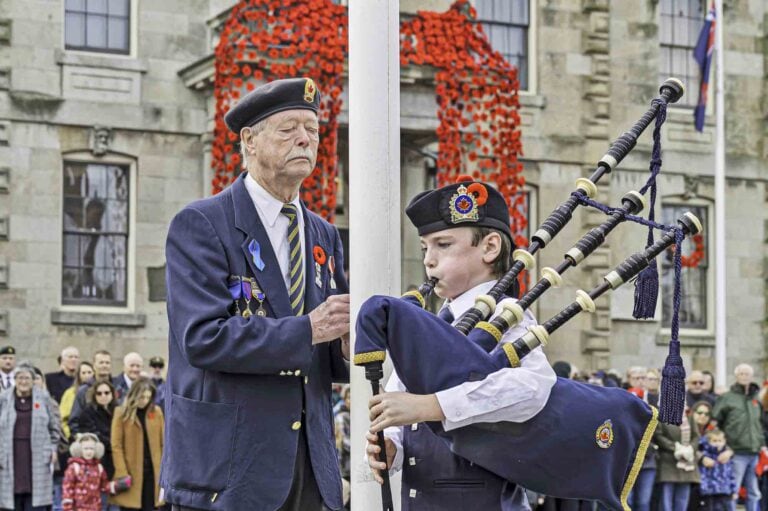
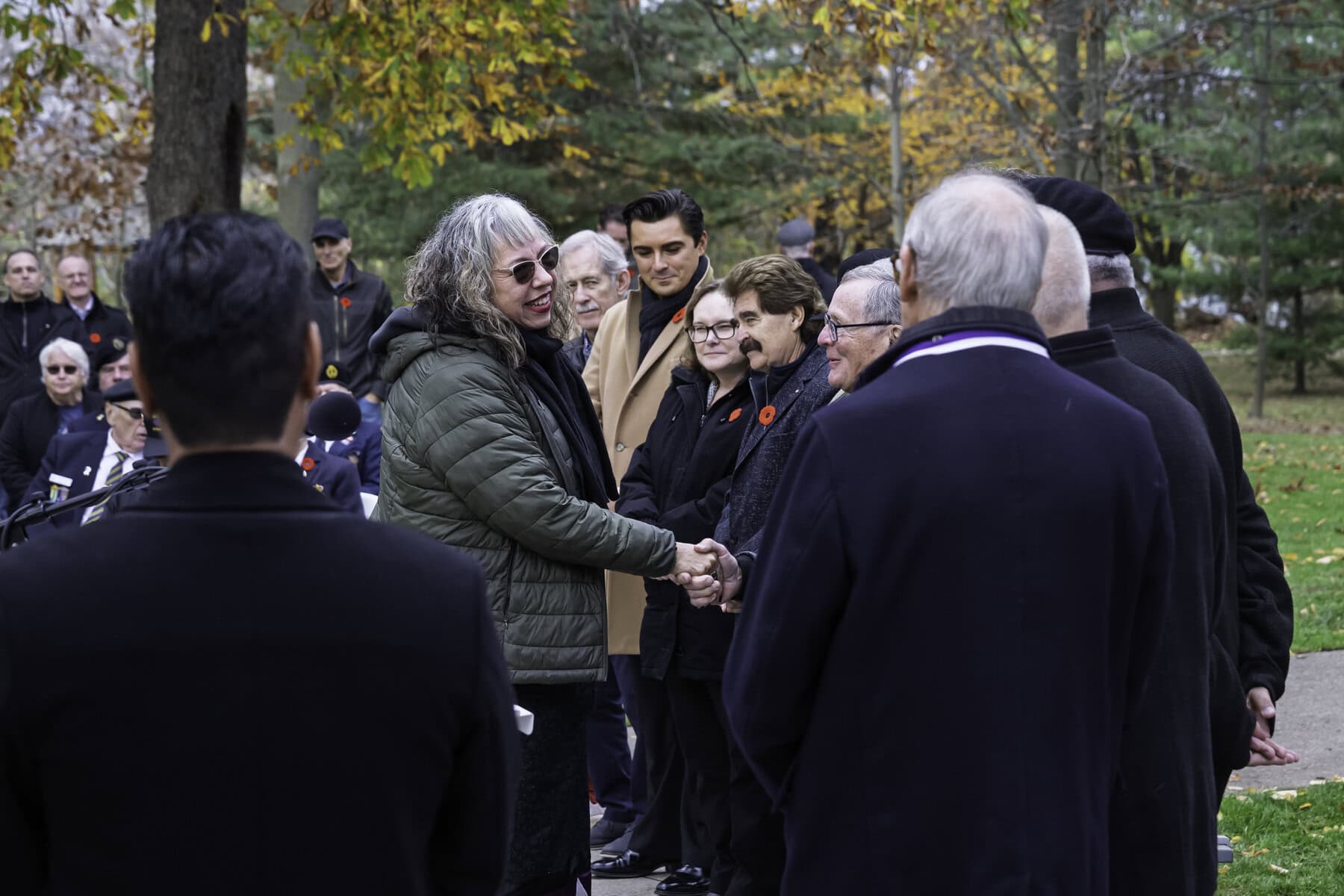
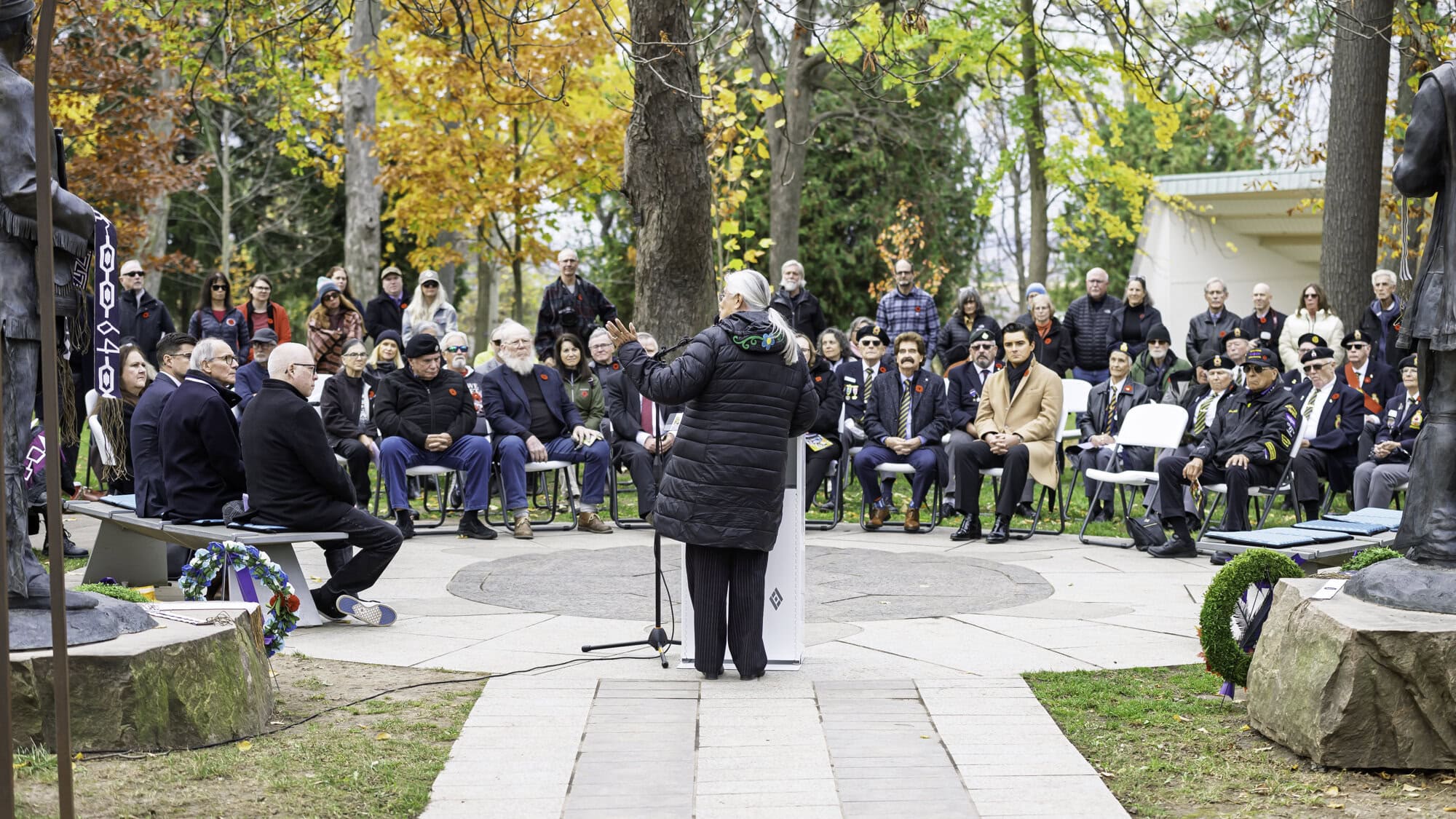
Terri Monture repeated her grandmother’s words on Saturday at the Landscape of Nations Memorial in Queenston Heights Park, where she accepted a posthumous honour for her grandmother.
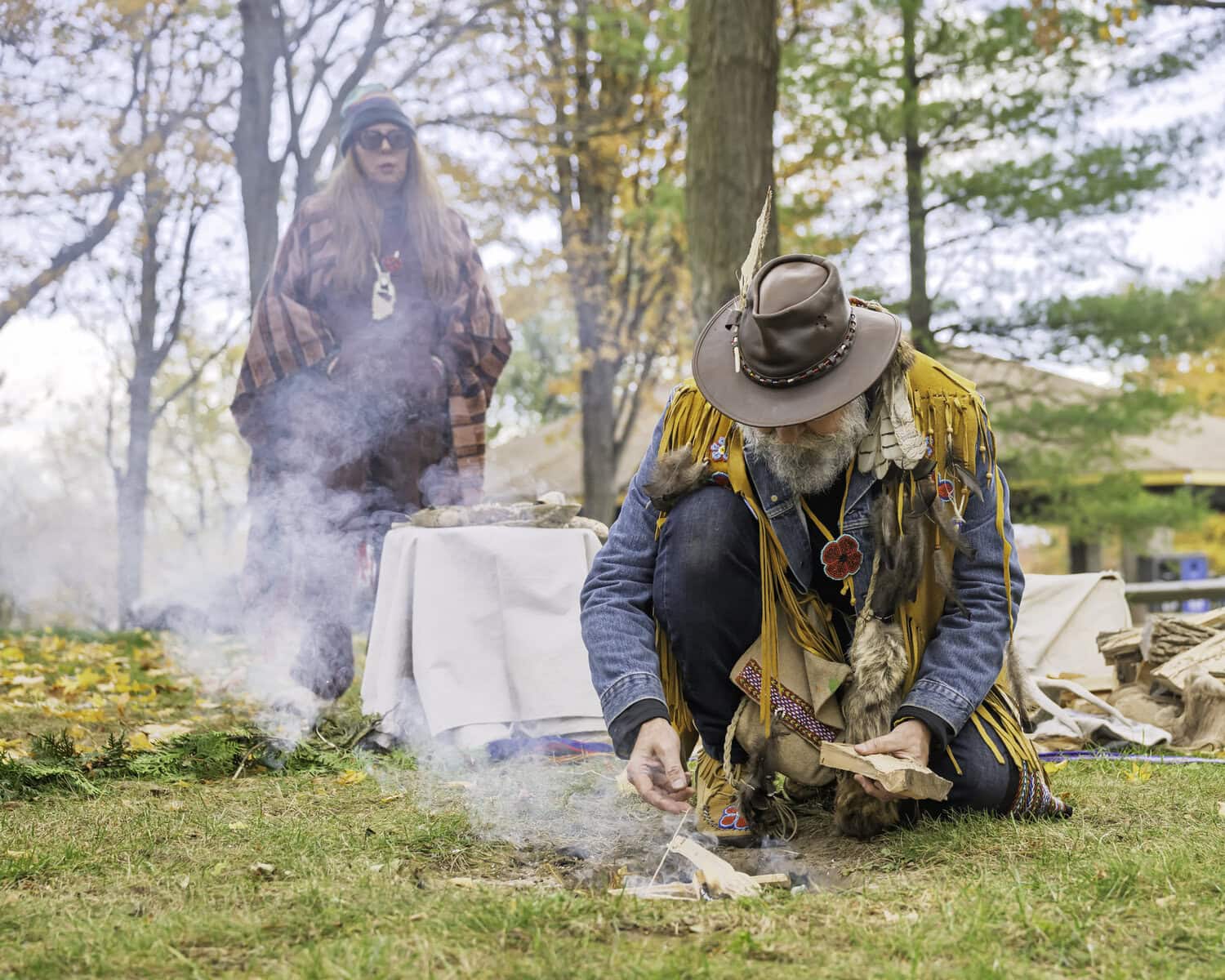
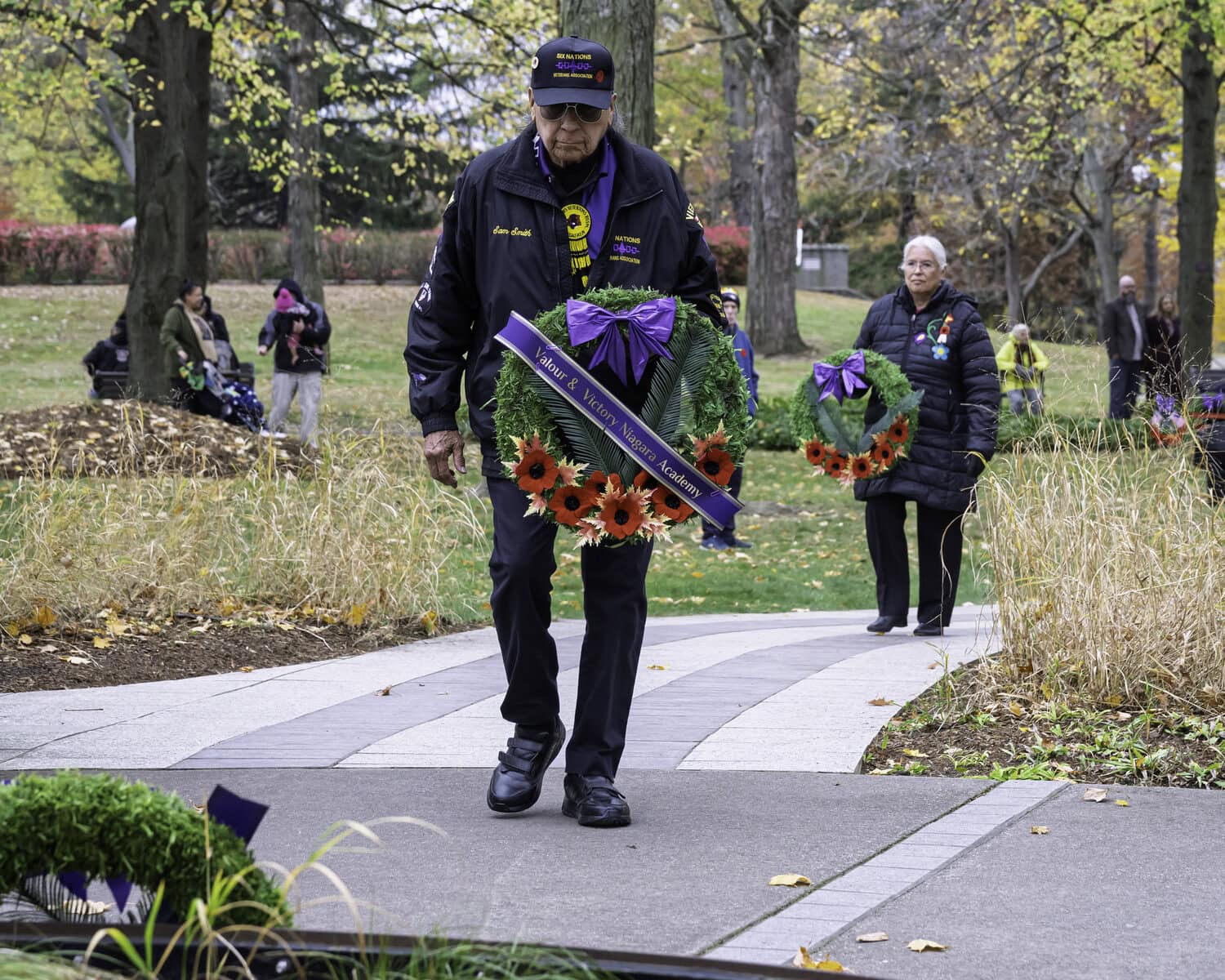
The Niagara Academy for Indigenous Relations honoured Monture and two other veterans at its eighth annual Valour and Victory ceremony. The memorial was unveiled 10 years ago to recognize the First Nations warriors who fought as allies of the British in the War of 1812.
Sam Smith, 81, a Seneca veteran from the Cattaraugus territory, was drafted into the U.S. Army and stationed in Hawaii in the mid-1960s, during the Vietnam War.
“One night at 11 o’clock, there was a battalion formation, and nobody has a formation at 11 o’clock at night, so we knew it was Vietnam,” said Smith.
Smith’s captain then told him that under treaty law, Indigenous soldiers couldn’t be conscripted and had to sign up before they could be sent to fight. Smith had been drafted but had no orders to go to Vietnam, so he could have stayed behind.
But Smith told his captain: “These are my buddies. I’ve been with them for 10 months and I’m going to go to Vietnam with them.”
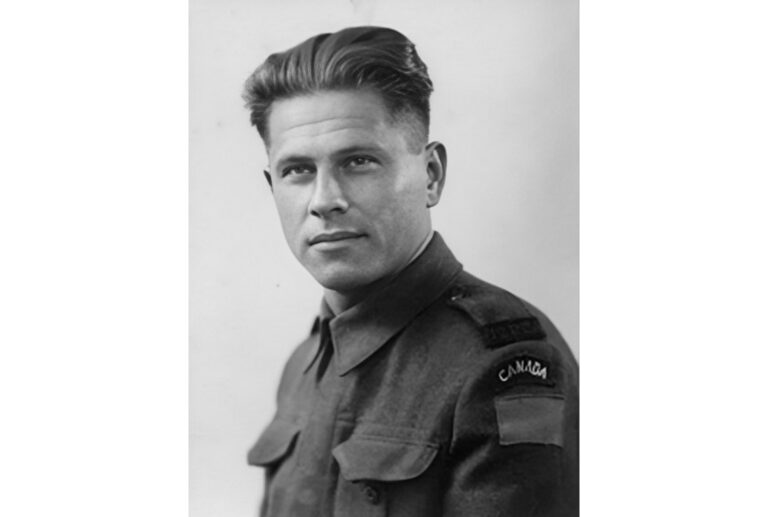
Edith Anderson Monture graduated from nursing school in New Rochelle, N.Y., in 1914 and joined the U.S. Army Nurse Corps in 1917.
“At a time when especially Indigenous women didn’t do that, she literally left home and there were no services to support her,” Terri Monture said. “Sometimes it’s really hard to think that my grandmother was there soothing these young boys as they die.”
Terri Monture is a descendant of Chief Smoke Johnson, whose statue she stood beside while speaking at the Valour and Victory ceremony.
“My entire family is the result of these men, and the women who came with them, and wanted us to survive,” she said.
For nearly two centuries, no major memorial recognized those warriors. Dr. Richard Merritt, who co-chaired the memorial project, said a small stone monument unveiled in the 1970s “went essentially unnoticed.”
Tim Johnson, president of the Niagara Academy for Indigenous Relations, said the memorial was built to mark “contributions too often overlooked” and to pass that history on to new generations. He said it now holds “historical truths” that some would rather silence.
“Freedom and truth must always be defended in order to advance the humanities and provide honourable and viable futures for the seventh generation,” he said.
Merritt said the first attempt to honour the 1812 allies was abandoned because of the First World War. That attempt had been planned for the war’s centennial in 1912.
Ava Hill, a former elected chief of Six Nations, accepted medals for her great-uncle, Peter Martin. Martin was a U.S. Army veteran who was held as a prisoner of war in Korea.
“He was kept in a hole in the ground for nine months, and when he came out of there he only weighed 90 pounds,” Hill said.
Hill said she will place Martin’s medals in the Six Nations Veterans Hall, beside an Ambassador for Peace medal that Korean officials presented in his name last year.
On Oct. 31, King Charles III put the importance of the 1764 Treaty of Niagara in writing for the first time, keynote speaker Nathan Tidridge said. The Canadian government has yet to officially acknowledge the treaty, which established a mutual alliance based on sovereignty and non-interference between First Nations and the Crown.
Tidridge said he hopes the memorial will push Canada to honour what the treaty set out to build: “Peace, friendship and respect forever.”