



Within the town of Niagara-on-the-Lake once existed a community of people who escaped a life in captivity and worked to forge a new future for themselves and people like them.
During the 1800s, in a section of what’s known today as Old Town, roughly 200 people settled in what was then known as the “coloured village,” a community of freedom seekers and free Black people, many of whom arrived via the Underground Railroad.
The Underground Railroad is famously known as a network across the United States that helped enslaved people escape to freedom in Canada. According to Parks Canada, by 1861 — four years before the U.S. government abolished slavery — an estimated 30,000 people had fled to what is now Ontario through the network.
Beyond those numbers are individual stories of people who built new lives in what’s known today as Niagara-on-the-Lake and found belonging among each other.
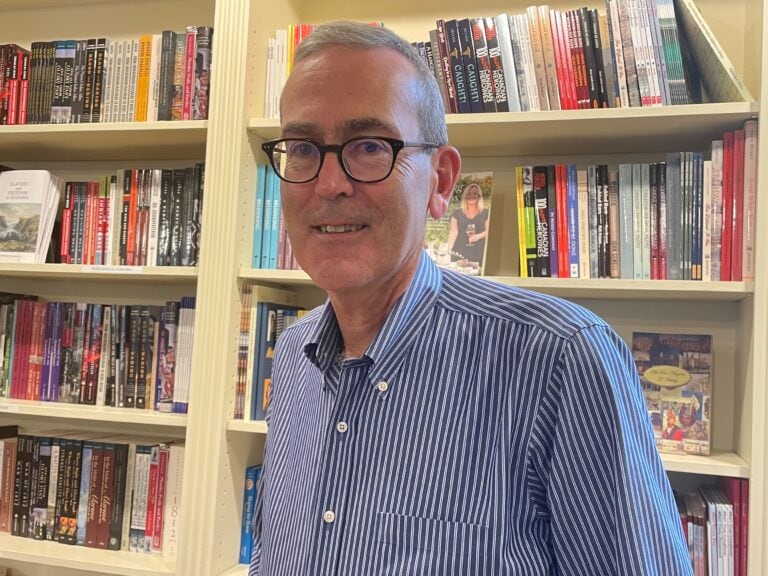
Lezlie Harper, founder of Niagara Bound Tours, shares the stories of those who escaped to Canada in her work. She said her own family came from Kentucky, while many people she has researched came from eastern seaboard states such as Maryland, Virginia and the Carolinas.
Harper said while experiences varied from person to person, slavery was inherently oppressive.
“They wouldn’t have been able to have a mind of their own,” she said. “They would almost have the life of an animal.”
“The mothers were not allowed to cry when their children were being taken away from them. They were told to sing.”
Despite the brutality, Harper said many enslaved people were highly skilled and resourceful. They helped each other meet cotton quotas and sometimes flattered slaveholders to appear less capable than they were.
Whether someone chose to flee depended on several factors, Harper said.
Some, like Harriet Tubman, escaped to the Niagara area and later returned to rescue family members. Others fled despite leaving family behind, or to prevent their children from growing up enslaved.
In some cases, the decision was immediate. Harper said one enslaved person, facing punishment for arriving late to church, chose to leave, saying “enough of this.”
“When you’re being beaten and whooped all the time, you might decide that enough is enough,” she said.
Before 1830, escape carried even greater risk because no formal network yet existed, Harper said.
The journey’s length varied. Travellers moved at night, without lanterns, despite common depictions, and risked encountering hostile individuals. The time spent in safe houses differed from place to place.
Many travelled between American Thanksgiving and New Year’s, when winter conditions could slow progress.
“It would depend on the weather, it would depend on if someone was chasing them, it would depend on their own willpower, it would depend on how quickly they would move,” Harper said of the pace of escape.
Some began the journey without shoes, she added. Outcomes could include death, tending to injured family members or burying loved ones.
Those who reached Niagara-on-the-Lake built new lives, Harper said.
“We’ll do it on our own,” she said, describing their attitude. “People in NOTL were entrepreneurs.”
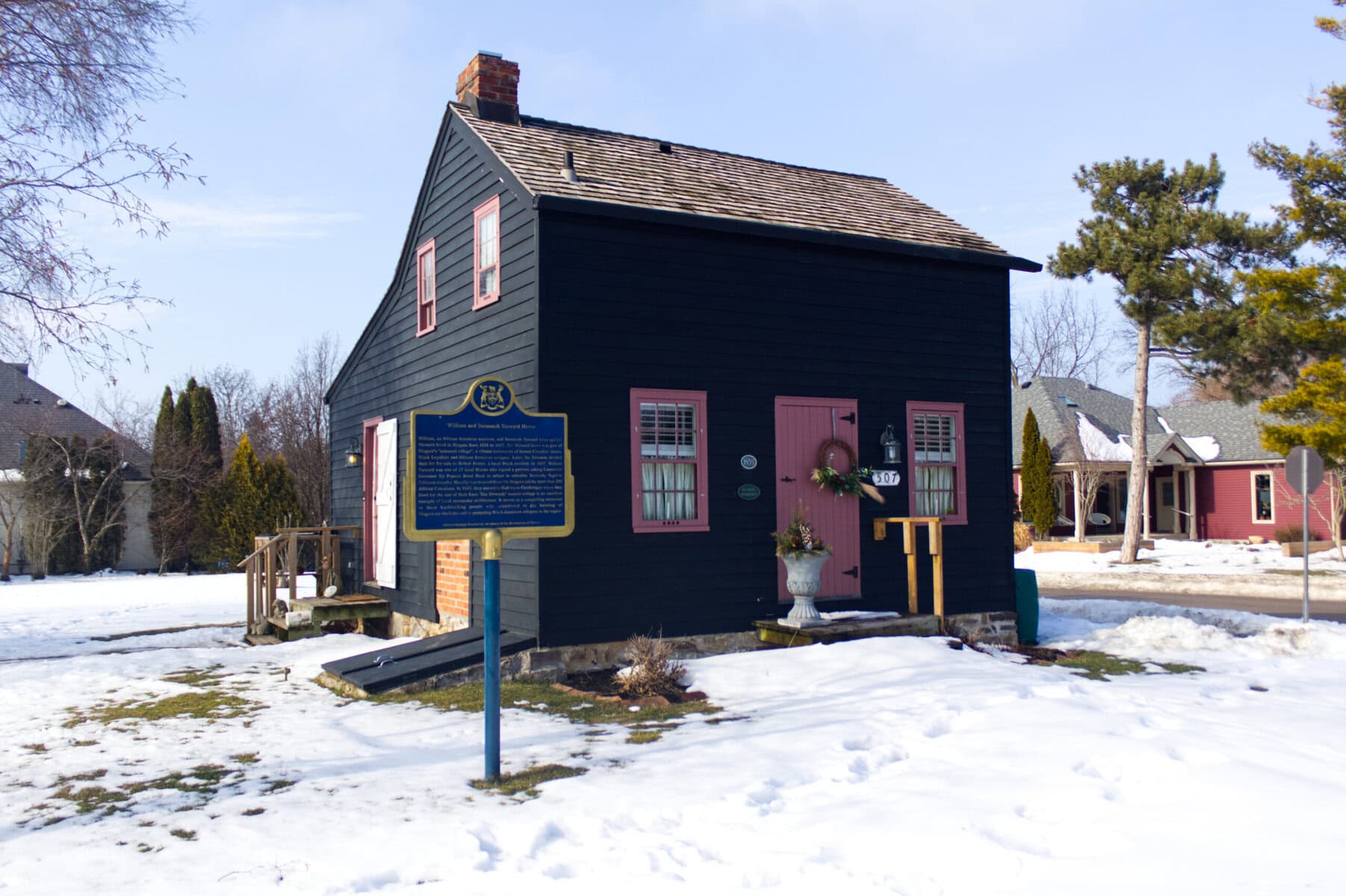
She pointed to a barbershop on Queen Street founded by a formerly enslaved settler, as well as William and Susannah Steward, who operated a livery business. Their home, known as Steward House, played a role in local political activity, including a key part in the Solomon Moseby affair.
Moseby, a freedom seeker from Kentucky, stole his enslaver’s horse and escaped the United States in 1837, settling in Niagara. When his enslaver arrived a few weeks later with an arrest warrant and extradition papers, more than 200 people surrounded the Niagara-on-the-Lake courthouse, where Moseby was being detained, to prevent his return to the United States.
William Steward was one of 17 people who signed a petition asking Lt.-Gov. Sir Francis Bond Head to refuse the extradition of Moseby.
Others worked as farmers and labourers, Harper said. While many who escaped slavery “did keep to themselves,” there was also integration. Some found togetherness in spirituality, forming, for example, a Black church in Virgil.
Eventually, this community of people left the Niagara region, Harper said: the area was relatively unsettled, the winters were harsh and competition for jobs was stiff.
Some went back to the United States after the American Civil War to find their families, she said. Others went to places around Ontario, such as Toronto and other larger city centres. The Stewards ended up in southwestern Ontario.
She said those who fled rarely spoke about their experiences.
“The stories would be lost because everybody had the same kind of story to tell,” said Harper.
Harper advocates teaching and celebrating this history, not focusing solely on its painful aspects. She said many of these stories remain little known, despite their influence on Black life in Canada today.
“I hope someday that we will make Black History Month about the early Black history,” said Harper. “Because there’s so much out there that people think, ‘I didn’t know that.’”