


Lord Mayor Gary Zalepa used his strong mayor powers to bring a rejected St. Davids housing proposal back for another vote last Tuesday, but council defeated it by an even wider margin.
Niagara-on-the-Lake council voted 7-2 against an official plan amendment that would have allowed five townhouses and one detached home at 1317 York Rd., at the southeast corner of York and Tanbark roads.
Only Zalepa and Coun. Erwin Wiens supported it. Couns. Tim Balasiuk, Gary Burroughs, Wendy Cheropita, Maria Mavridis, Andrew Niven, Sandra O’Connor and Adriana Vizzari voted against it.
The defeat automatically killed the accompanying zoning amendment needed for the development.
The proposal already failed 5-4 at the July 7 committee meeting. Zalepa then used an authority available under Ontario’s strong mayor system to place the two approval bylaws directly on council’s July 21 agenda.
Under the strong-mayor rules, the official plan amendment bylaw needed support from four of council’s nine members to pass.
The final vote followed little discussion, with Wiens saying only that he would vote consistently with his earlier position.
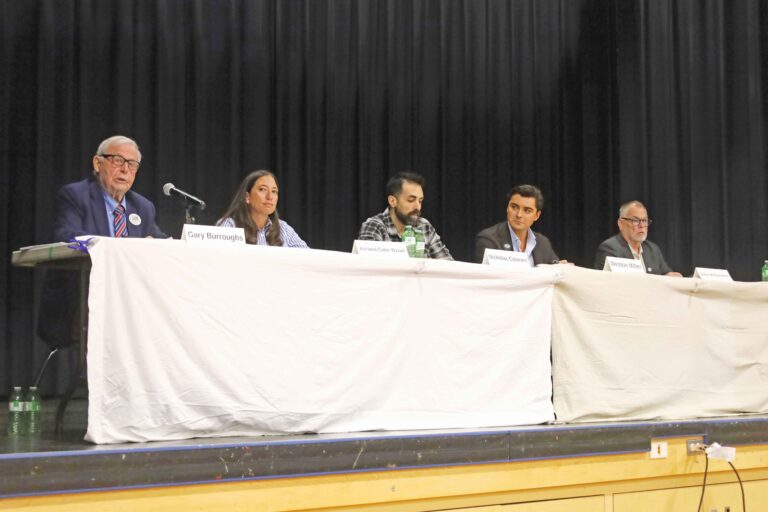
Councillors aired their concerns during the July 7 committee debate. Zalepa, Wiens, Balasiuk and Mavridis supported the development, while the other five opposed it. Balasiuk and Mavridis switched sides for the final council vote.
The plan would have redesignated the property from low-density residential, which generally allows up to 14 units per hectare, to site-specific medium-density residential allowing 39 units per hectare. The town’s standard medium-density limit is 30.
“The one that I still have a concern with is going to 39 units per hectare,” Cheropita said during the committee debate.
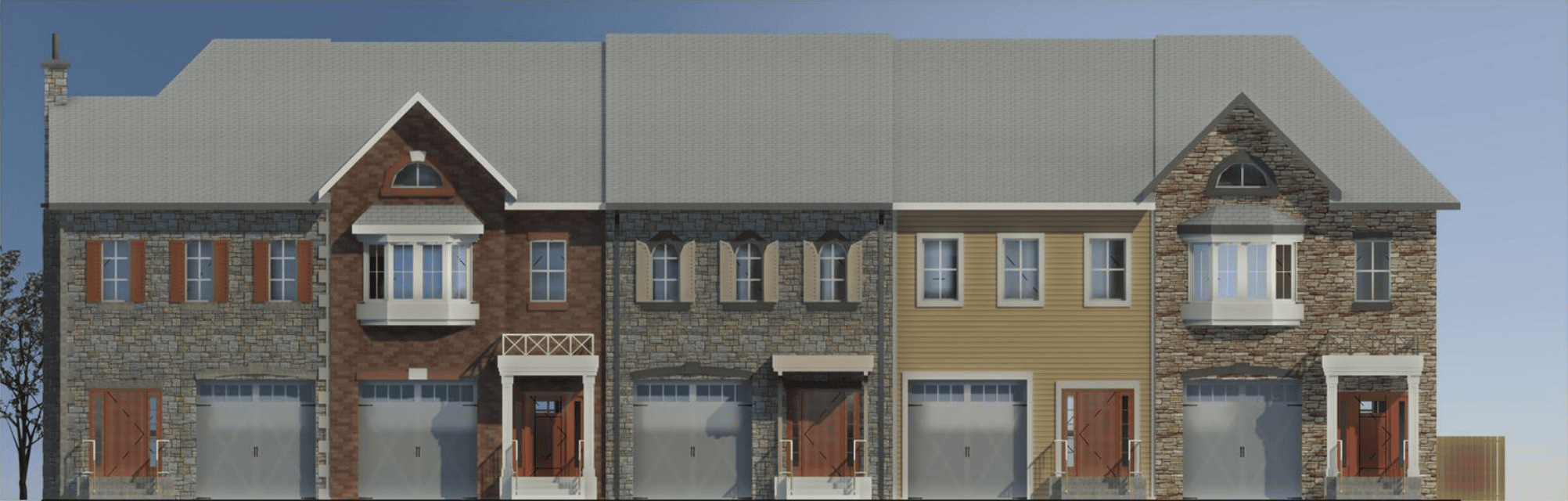
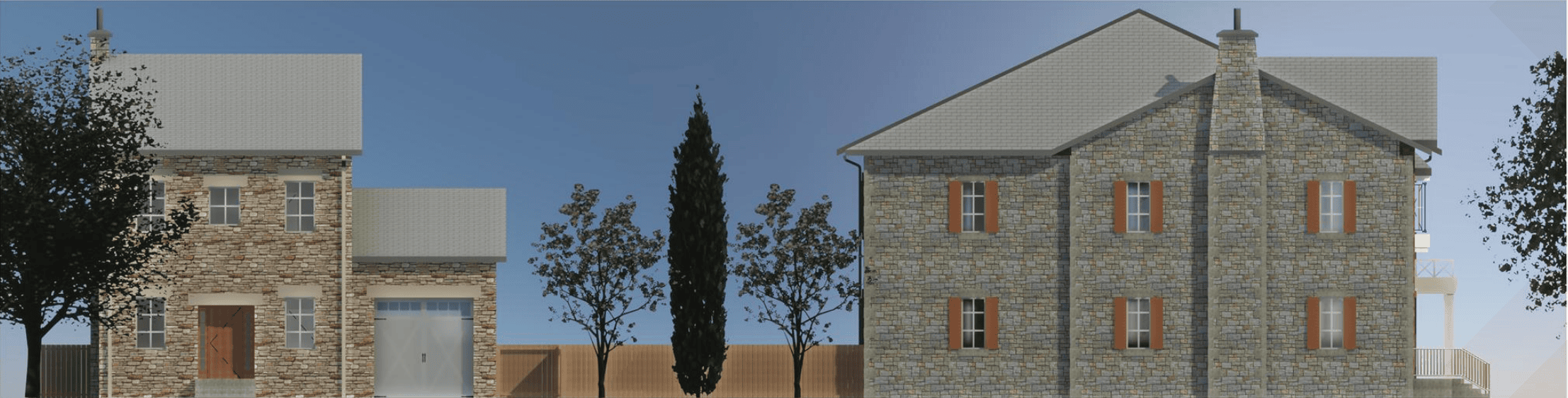
The 0.42-acre property currently contains one detached home, which would have been demolished if the development had been approved. Five townhouses would have faced Tanbark Road, with a new detached home facing York Road.
Each unit would have had two parking spaces, meeting the town’s zoning requirements. However, Cheropita said the development appeared to leave nowhere for visitors to park.
“I have concerns that there would not be any parking for visitors to any of these homes,” she said.
Niven said the increased density, lot coverage and number of exceptions sought from the town’s normal zoning rules pushed the project too far.
“How many exemptions are too many?” he asked. “When we’re getting over 15 exemptions, to me, that’s not what we should be aligning to.”
O’Connor focused on wastewater capacity and tree removal.
“Without having a plan that deals with this capacity situation that we know about now, I really can’t approve this plan,” she said.
The applicant’s tree report identified 27 trees around the site and said 19 would have to be removed, including nine in the town’s road allowance and three on a neighbouring property. A preliminary landscape plan proposed nine new trees across the property.
“My last concern is about the trees,” O’Connor said, pointing to one tree measuring 112 centimetres in diameter. “That’s a very big, iconic tree that’s part of the natural heritage of that area.”
Town planning staff recommended approval. It said the proposal complied with provincial and local planning policies, would add different housing options and could be supported by existing water and sanitary sewer systems.
Because of constraints at the town’s downstream stormwater facility, runoff would have been directed to the regional storm sewer on York Road instead of the Tanbark Road system. An underground storage system would have controlled how quickly that water was released.
At the earlier meeting, Wiens argued council needed defensible planning reasons to reject a project supported by its professional staff.
“We have to keep looking at what is defensible at the (Ontario Land Tribunal),” he said. “It’s easy to always say no.”
“There is no credible evidence that says that we can deny this and go to the (tribunal) and win.”
Council ultimately left the property’s existing low-density designation and zoning in place. The owner cannot proceed with the development as proposed but has 20 days to appeal council’s decision or could return with a revised plan.