



The Town of Niagara-on-the-Lake’s budget has been set for the next year, with a property tax hike of 2.19 per cent and plans to spend $44.2 million on operations and $8.3 million on capital projects.
According to the town, the planned tax bump adds about $33.55 more to the bill for a home assessed at a value of $536,000.
The final capital budget excludes water and wastewater. The water and wastewater budget will be released in early 2026. The stormwater levy remains unchanged.
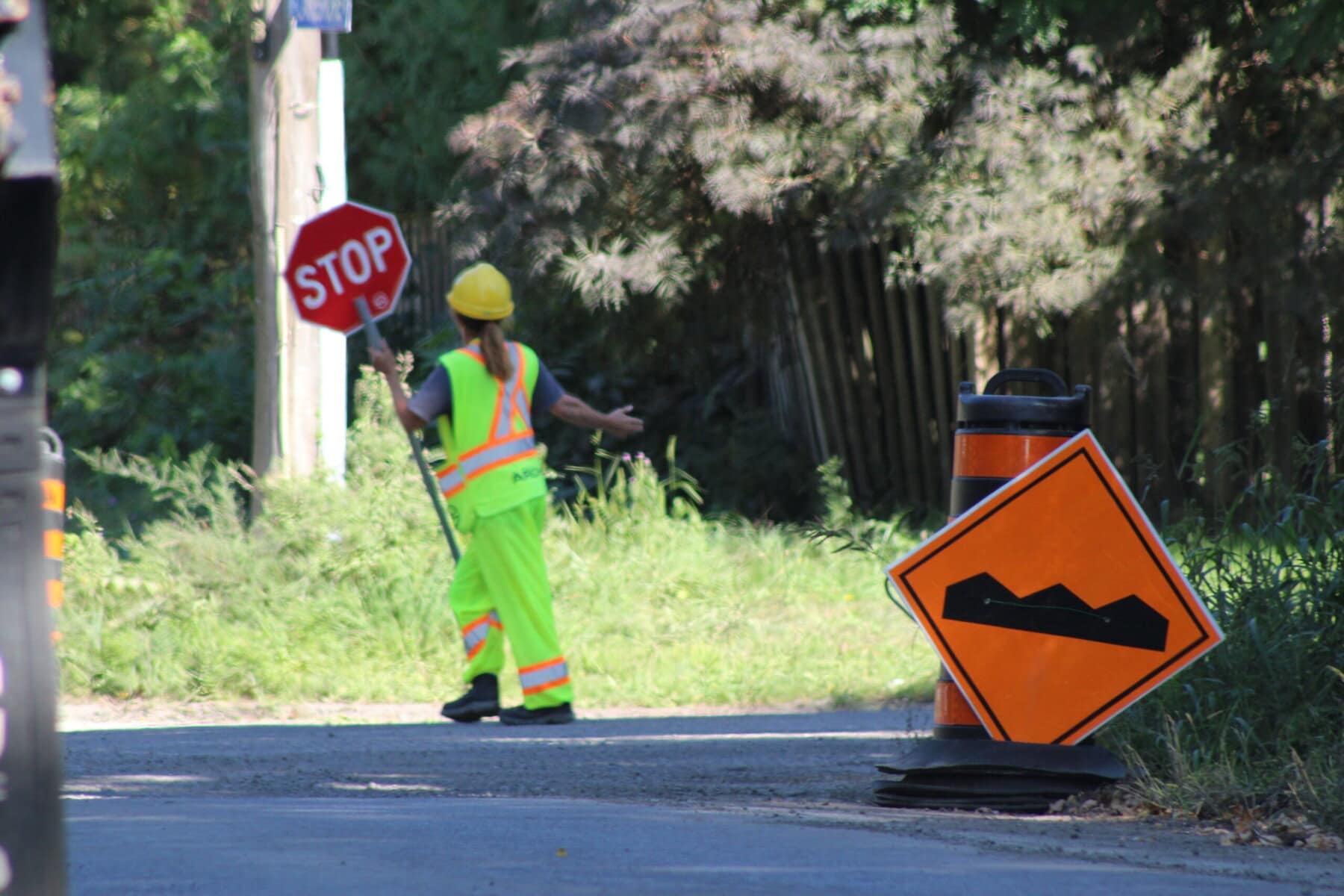
Major capital projects include road work on Line 3 and water main replacement on Line 7.
The town’s largest expenses in the operating budget fall under “municipal purposes,” a category whose largest subset is contracted services. The town will spend $1.2 million more on municipal purposes in next year’s budget.
Salaries are expected to rise by more than $1.1 million next year in the operating budget.
Percentage-wise, the biggest increase in spending will be for work on the municipality’s roads, at an extra $611,655 for 2026, or 57 per cent more from this year.
Originally, the draft budget projected a 1.81 per cent tax increase. Two amendments affecting tax rates were later approved: one expanding recreation program discounts for families with three or more children, and another funding a new engineer position in the planning department.
Council unanimously approved the budget. Coun. Sandra O’Connor supported the document but raised concerns.
“I want to reiterate that I still think that the two tourist-related projects should be partly funded from the municipal accommodation tax,” she said. “And the planning fees should be close to full cost recovery, not subsidized by the taxpayer.”
“But overall, I am supportive of this budget.”
The two tourist projects she referred to are a contribution to a portion of parks signage and floating docks.
Coun. Erwin Wiens said ignoring the study that guided recent development fee changes, presented to council in October, would have created “compliance issues.”
“We certainly want to make sure that development pays for development,” he said. “But at the same time, it has to be measured and responsible and legal.”
He said he wanted residents to know it wasn’t as if “developers weren’t paying.”
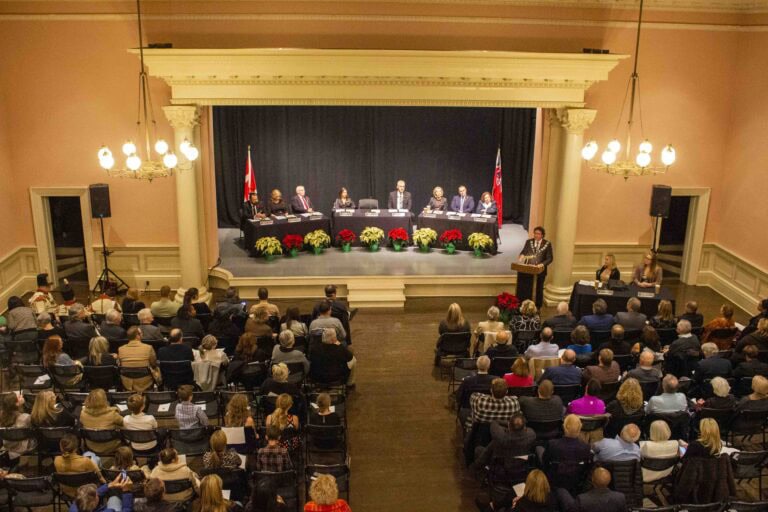
Council approved the budget at a special meeting on Dec. 2, ahead of its planning committee meeting and one day before its self-imposed Dec. 3 deadline.
This is the first year the town’s budget was drafted under strong-mayor powers, which allow the mayor to table the budget and council to propose amendments. In previous years, it was council that introduced the budget.
— With files from Paige Seburn.