
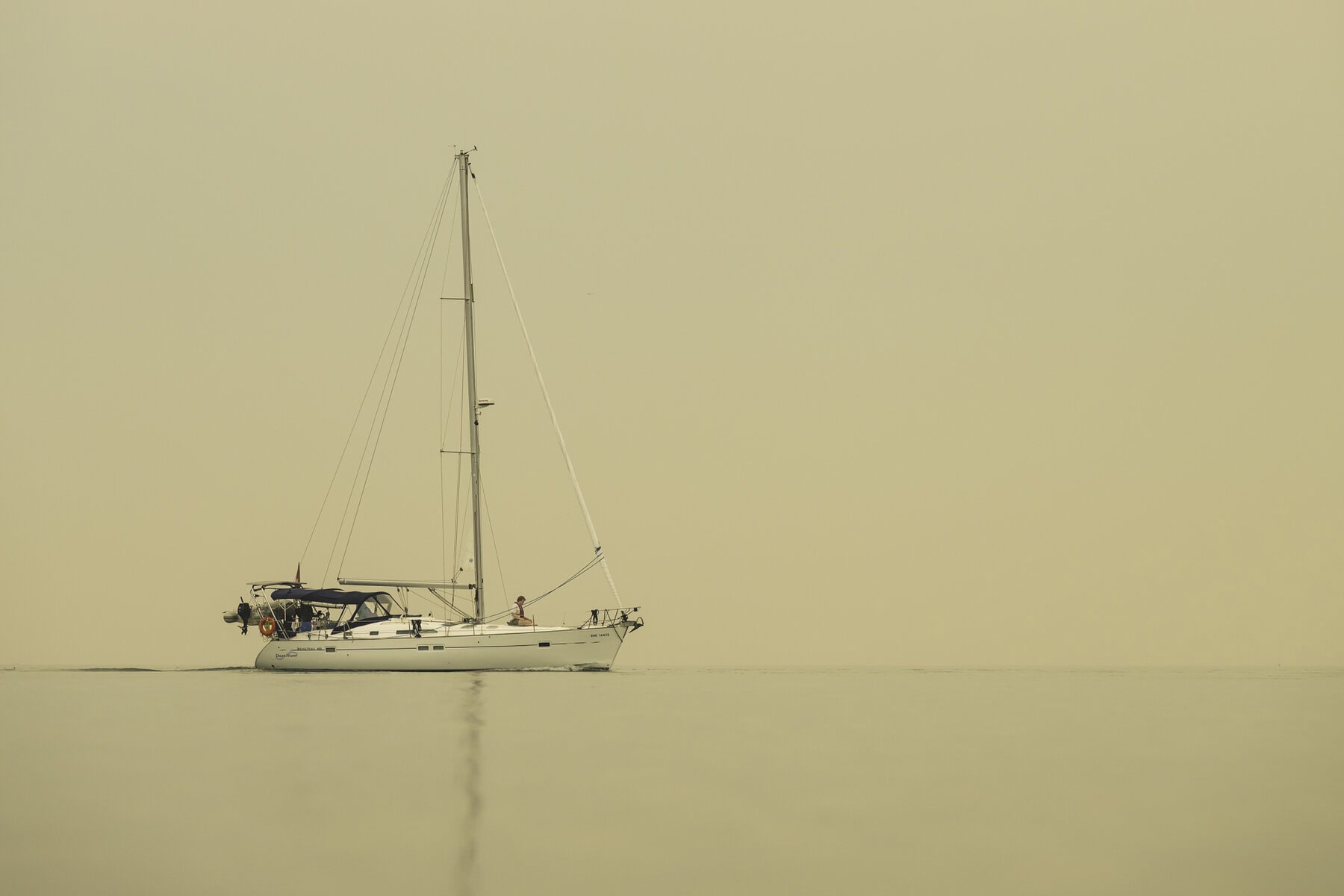


It seems to be all the rage lately to read about wildfires in so many parts of the world. This year, Spain and France are having thousands of hectares destroyed. And here in North America, yet another record year for fires, apparently over 80 per cent caused by humans (at least in the U.S., according to research).
So many evacuations and hearts broken.
My early years were spent up north, in Virginiatown near Kirkland Lake. I recall people talking about the Great Matheson Fire of 1916, which remains the deadliest in Canadian history, killing 223 — probably more, as many prospectors were in the bush working their claims solo, dreaming of striking gold or silver or cobalt. Some of them were never found.
Ever heard of the Great Matheson Fire? How about the Halifax Explosion? Spend some time on Google and learn about them. So many killed, and so destructive.
And to be a bit repetitive, not that long ago we really couldn’t compete with Mother Nature if she chose to have a tragic conflagration in one of our boreal forests.
Yes, I dove for my dictionary, and the word boreal means “of or pertaining to the north.” Who knew? And just last week in the Toronto Star, Marco Chown Oved summarized, “As the temperature rises, the forests dry out and the wildfires will get bigger, stronger and more frequent.”
Sort of says it all, and my NOTL Public Library pal Bill Garriock and I agreed that trees in boreal forests are wood, and wood burns. Trees live, trees die and then fall over. Eventually they dry out, and become kindling.
Some people build houses in or near the forests, and then put cedar shingles on the roof. More kindling. Then, perhaps they add cord of split wood piled near the house for the fireplace or wood stove. What are we thinking?
Rambling back to July 1916, when the forest near Matheson caught fire. We didn’t have the equipment we take for granted now. On the television, we watch helicopters and fixed-wing airplane waterbombers attacking fires here in North America and around the world. Big machines and chainsaws being used to create fire breaks. Thousands of well-trained men and women strategically attempting to bring the fires under control.
How times have changed. And thankfully, how quickly. I understand that our Niagara-on-the-Lake Fire Department was started in 1916, and is among the oldest in Canada. Over a hundred dedicated, highly trained, enthusiastic and brave first responders now, operating out of the five fire stations in Old Town, Glendale, Queenston, St. Davids and Virgil.
Some 16 pieces of equipment. That’s including the 1953 Chevrolet Bickle-Seagrave pumper used for parades. Thank goodness it is red, and not yellow.
We see — and sometimes hear — them as they head toward challenging situations here in NOTL. Fires, medical and vehicle accidents (yes, we are close to the QEW).
To sneak in a request, let us all make certain our smoke detectors are in good working order. Our local firefighters do their best to educate and remind us, but in the end it’s up to us.
And they sometimes have to take time from family events or their “other lives.” They are called out in all types of weather.
One of my first memories of life in our town was the Christmas Eve fire that destroyed the Oban Inn in 1992. It started at about 9:30 p.m., and guests and diners were forced out into the bitter cold, with a wind blowing from the lake.
It was an hours-long battle, with all neighbouring buildings saved. Our firefighters coated in ice,and thank goodness for the canteen truck and townsfolk bringing hot beverages and food.
Less than a year later, then owner Gary Burroughs miraculously opened a near perfect replica Oban Inn in November 1993. Can this be true? The attention to detail was mind-boggling, from similar floor coverings and wall hangings.
Yes, it’s true. Congratulations, again.
Rambling to a local conclusion now. About 20 or 25 years ago, a fire broke out on Queen Street downtown, in the buildings just east of the Courthouse. It was a fairly windy day, and again our local firefighters worked for many hours knocking down the fire and saving adjacent structures.
Nosy and curious me rode my bicycle downtown from our home on Vincent Avenue in Chautauqua, to watch the action. Upon my return home to CHQ, several neighbours heard I had been downtown for a look.
Nobody asked if the Courthouse or the Cenotaph or the Prince of Wales Hotel were OK. The first three or four friends asked the same question: “Is the liquor store OK?” I kid you not.
Hats off to our first responders. These brave people go toward the fires to save lives and limit damage. Most people flee fires.
Now, let’s end this wandering rambling by asking, “Why isn’t there a pet black-and-white Dalmation firehall dog being kept at one of our local firehalls?