


Canada’s best FIFA World Cup showing is over, and the president of Niagara-on-the-Lake’s youth soccer club says the game’s future in this country now depends on what happens far from the big stadiums.
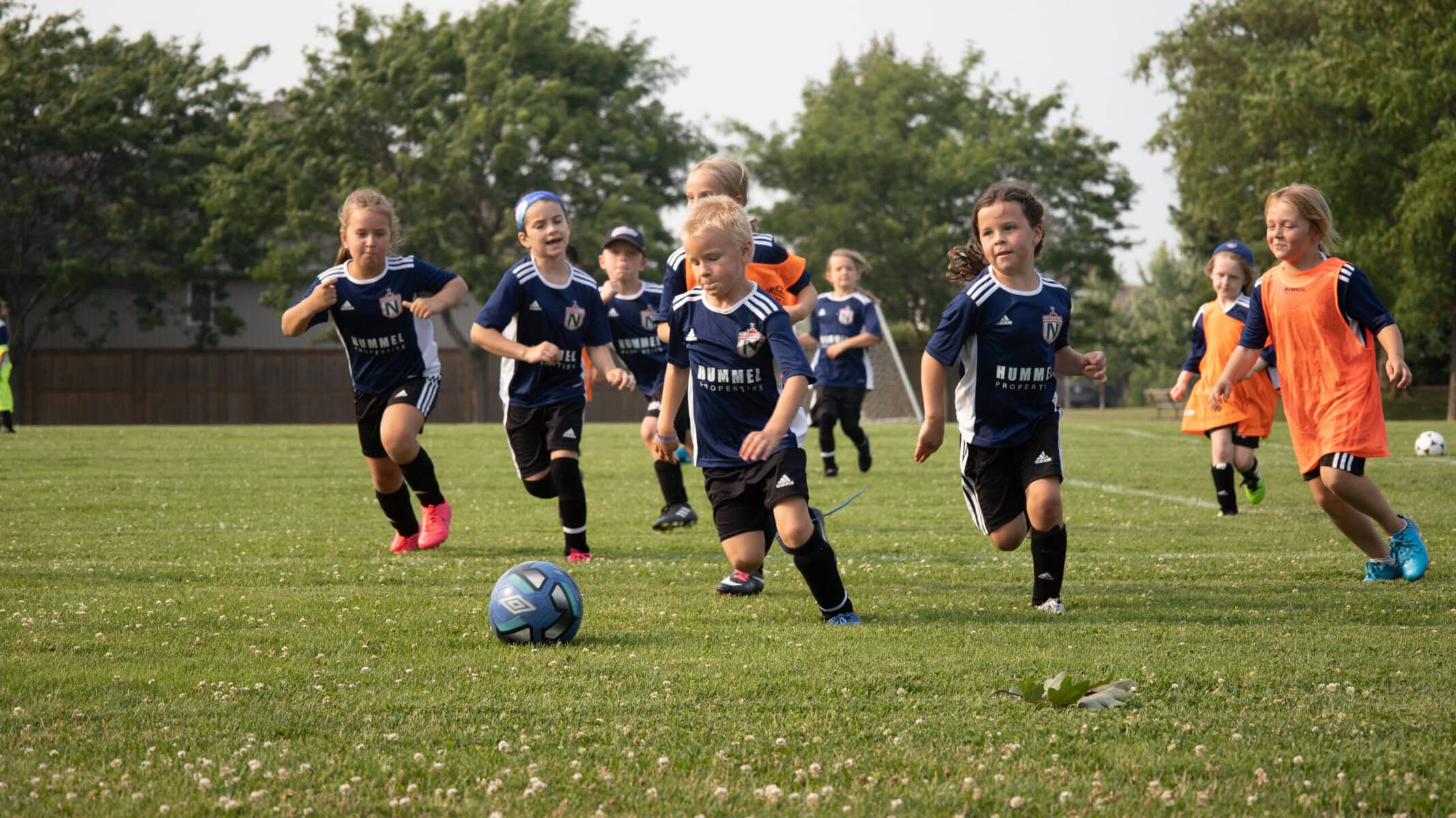
Julia Friesen leads the Niagara-on-the-Lake Soccer Club, which grew to 372 young players this season from 324. She says the men’s national team gave the sport a historic boost this summer, and the challenge now is turning that excitement into lasting growth on local fields.
“Continuing to invest in grassroots programs, supporting coaches and volunteers, and making the sport accessible to young players will be key,” she said.
Canada lost 3-0 to Morocco on July 4 in the round of 16, the furthest the team has ever advanced at a World Cup. The run included a 6-0 win over Qatar on June 18, the first men’s World Cup victory in Canadian history, during which Jonathan David became the first Canadian male soccer player to score a World Cup hat trick.
“I’m incredibly proud of how the players and coaching staff represented Canada,” said Friesen. “They played with heart, resilience and confidence throughout the tournament.”
The women’s national team set the standard on the world stage for years, she said, and this tournament marked a breakthrough for the men’s program.
“It was inspiring to watch the continued growth of the men’s game in Canada, and it gave Canadians so much to be proud of,” she said.
Cost gives soccer an advantage in the competition for young athletes. A 2026 report by Canadian Tire Jumpstart Charities found soccer is Canada’s most played youth sport, with half of young Canadians taking part at an average cost of $450 a season. The report found hockey costs almost five times more.
As for NOTL, the sport’s growth depends on the club finding enough volunteers to match player participation. The club runs on 50 coaches and a 15-member board, and every new wave of players means the club must recruit more coaches before a season can start.
“Volunteer coaches are the backbone of grassroots soccer, and as participation grows, so does the need for coaches and community members who want to get involved,” said Friesen.
Alongside Canada’s performance as a team, the nation hosted 13 matches this tournament, split between Toronto and Vancouver, and broadcast figures show the audience grew with each Canadian win. The round of 16 loss to Morocco drew an average of 5.4 million viewers, the largest audience of Canada’s three matches.
“Canada should be incredibly proud of what we accomplished as a host nation,” said Friesen. “The atmosphere, organization, and enthusiasm surrounding the tournament were fantastic.”
Families from the club travelled to matches across the tournament, watching France, which played two matches (against Sweden and Senegal) in East Rutherford, N.J., South Africa vs. Czechia in Atlanta and Iraq vs. Senegal in Toronto, Friesen said. The mix of flags in the stands reflected the country itself, she said.
“Seeing people proudly wear their colours, share their traditions, and cheer side by side was a great reflection of what Canada is all about,” she said.
Tournament money has already reached town. Airbnb announced this month it would spend $567,000 across four Ontario communities through the FIFA World Cup 2026 Impact Program, and the company said the NOTL portion will rebuild the community meeting space at Virgil Sports Park and add spectator seating.
The club’s outdoor season runs from late May to late August. Coach recruitment begins in January, and registration for next season opens in February, when the board will learn whether this summer’s World Cup fever translates into more kids on the pitch.